
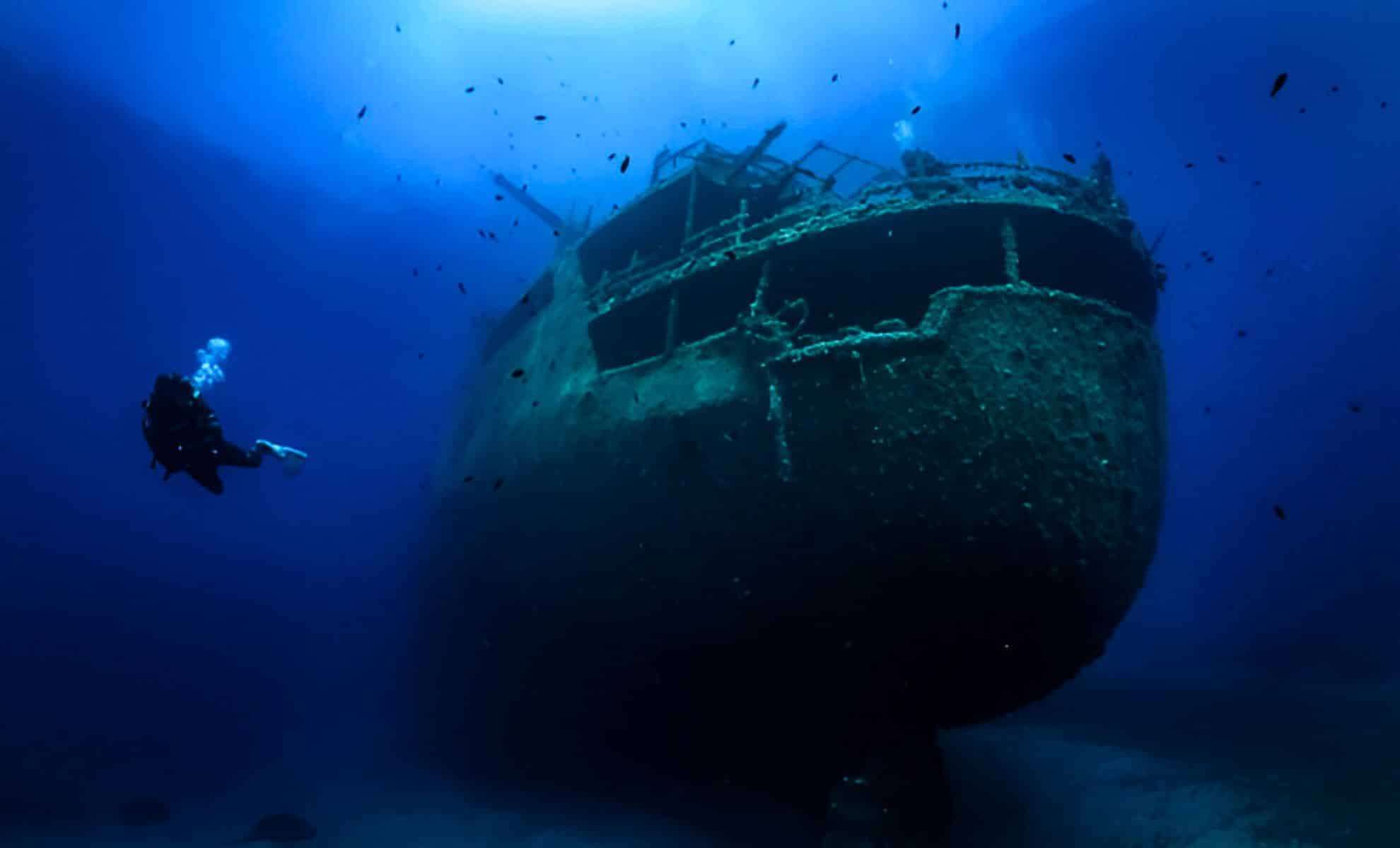
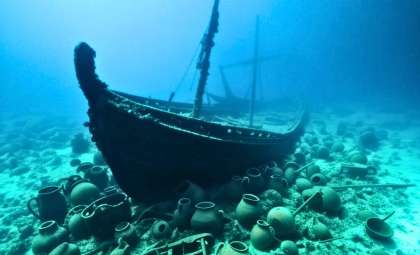
Off the shores of Colombia, an extraordinary archaeological discovery has shed light on one of the most valuable shipwrecks ever found. The San José, a Spanish galleon lost over 300 years ago, was laden with enormous quantities of gold, silver, and precious stones when it sank. Recent recoveries of numerous gold coins from the site have revealed fresh insights about its tragic end and the immense fortune it carried.
The San José: A Priceless Ship Lost to History
In 1708, the San José sailed as part of a fleet transporting a staggering haul of over 200 tons of gold, silver, and raw gems bound for Europe. Valued today at close to $17 billion, this cache represents one of the richest treasures ever lost at sea.
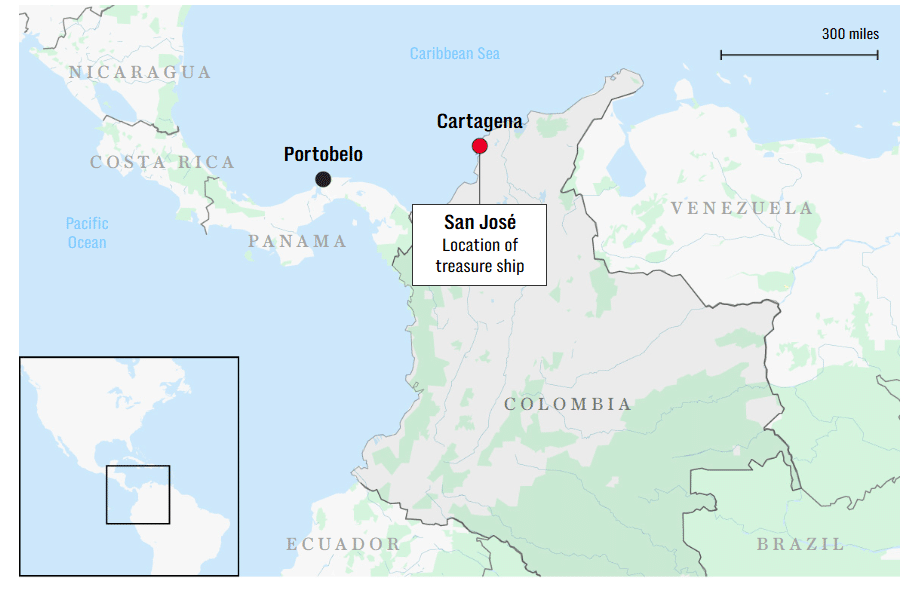
On June 8, 1708, while anchored near Cartagena along the coastline of present-day Colombia, the fleet came under assault by a British naval squadron amid the War of the Spanish Succession. Despite fierce resistance from the Spanish fleet, the San José was destroyed following a catastrophic explosion of its gunpowder reserves, plunging the vessel into the depths.

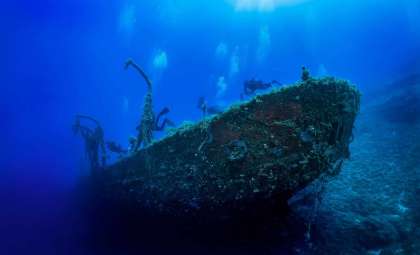
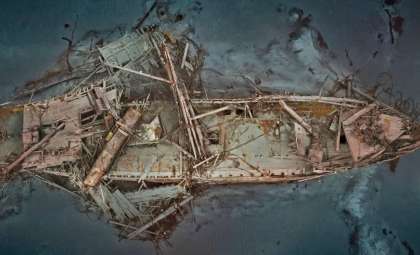
For over three centuries, the wreck remained hidden beneath the waters of the Caribbean Sea. The Colombian authorities finally pinpointed the San José in 2015 near Cartagena, triggering global interest and sparking ongoing disputes over the treasure's fate.
Discovering the Distinctive Gold Cobs
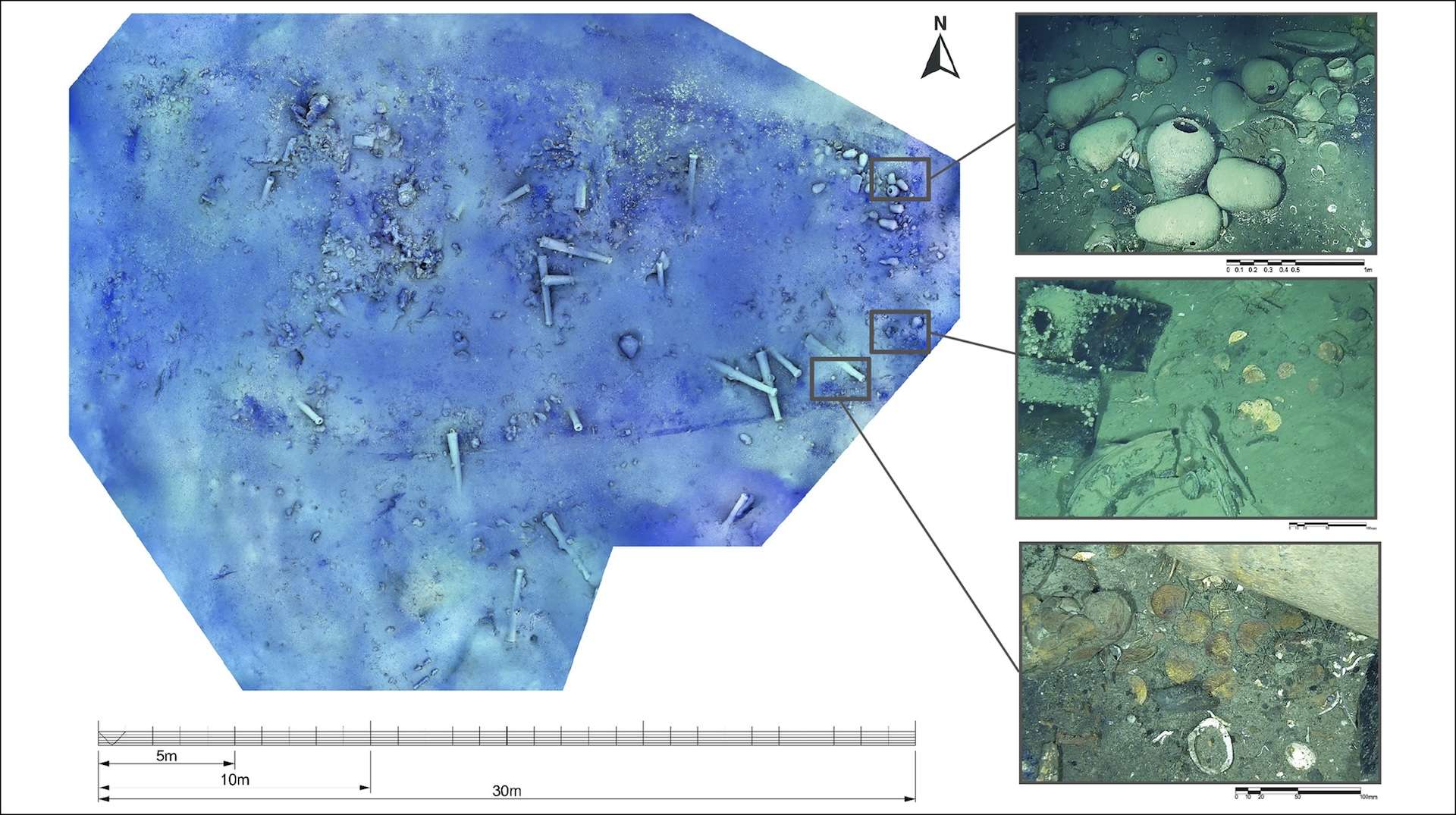
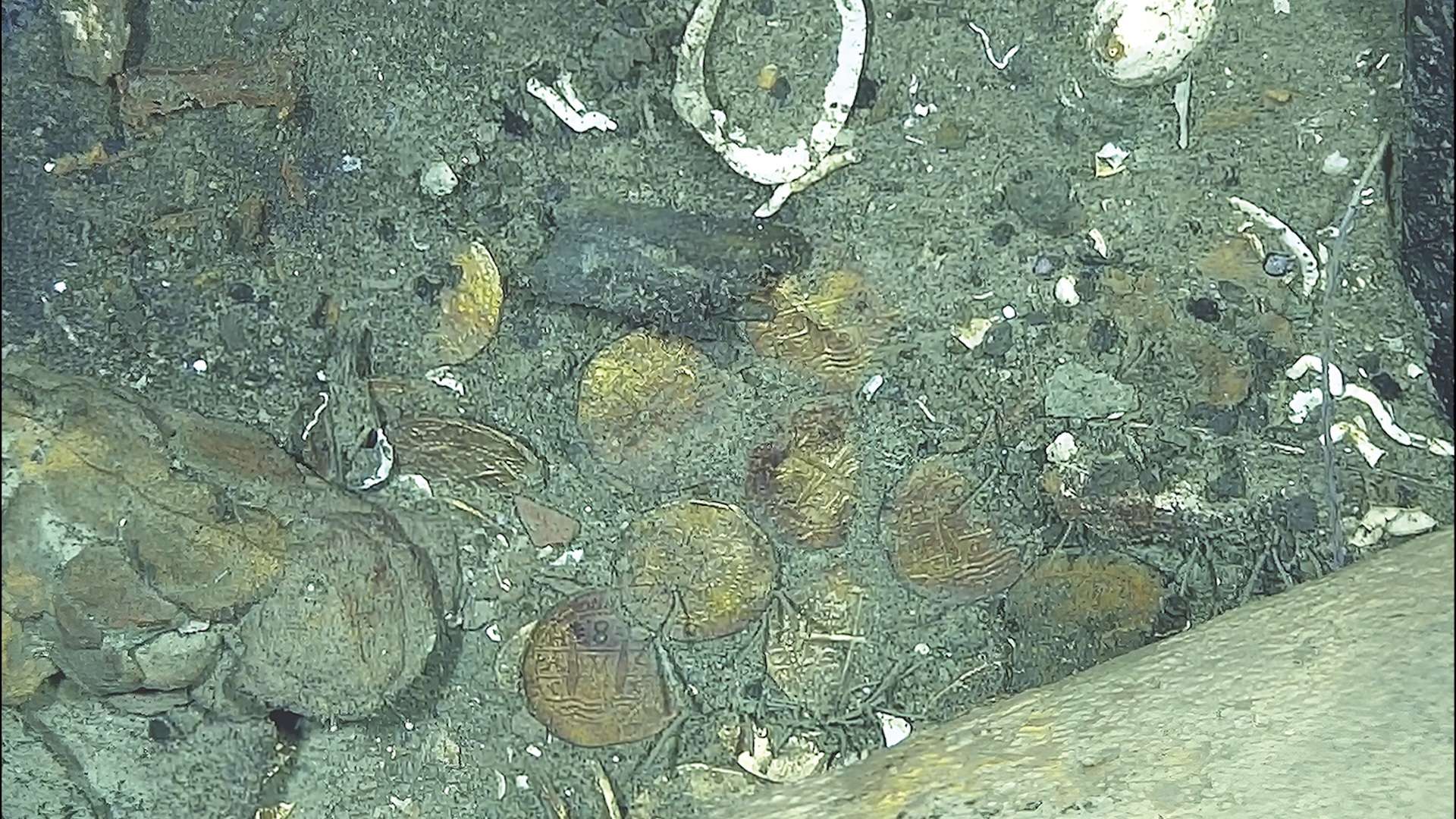
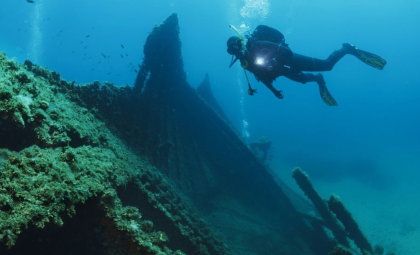
Under the leadership of Daniela Vargas Ariza, the recent study, published on June 10 in the journal Antiquity, reports new underwater surveys of the wreck using remotely operated vehicles (ROVs). These devices recorded detailed images of several gold cobs, irregularly shaped coins originally hand-cut from gold or silver bars, which served as currency throughout the Spanish colonies for more than two hundred years.
The coin imagery is particularly noteworthy: one side bears a rendition of the Jerusalem cross, a potent religious emblem in Spanish colonial times depicting a large central cross surrounded by four smaller ones. The opposite face displays the Crowned Pillars of Hercules motif, illustrating waves crashing against two crowned pillars—an icon synonymous with coins minted in Lima, Peru, during that era.
Ongoing Legal Disputes and the Path Forward
The uncovering of this treasure trove has intensified a legal conflict between Colombia and Spain concerning the rightful ownership of the ship and its riches. Colombia plans to retrieve and exhibit the recovered items in a national museum, while Spain insists the wreck, as a former naval ship, belongs under its jurisdiction under international regulations safeguarding warship wrecks.
Since Colombia has not ratified the international Law of the Sea treaty that assigns shipwreck ownership to the vessel's original country, Spain claims that the San José and its valuable contents should be handed back to Spanish authorities. Meanwhile, Colombia is advancing plans for artifact recovery amid unresolved legal questions.
This remarkable discovery is more than just a tale of lost treasure; it highlights the historic power struggles that shaped global empires and the extraordinary fortunes that once traversed the Atlantic. As negotiations continue, the ultimate fate of the San José bounty remains to be decided, yet its historic resonance will surely fascinate researchers and treasure seekers for generations to come.
- Categories:
- News





0 comments
Sign in to Comment