
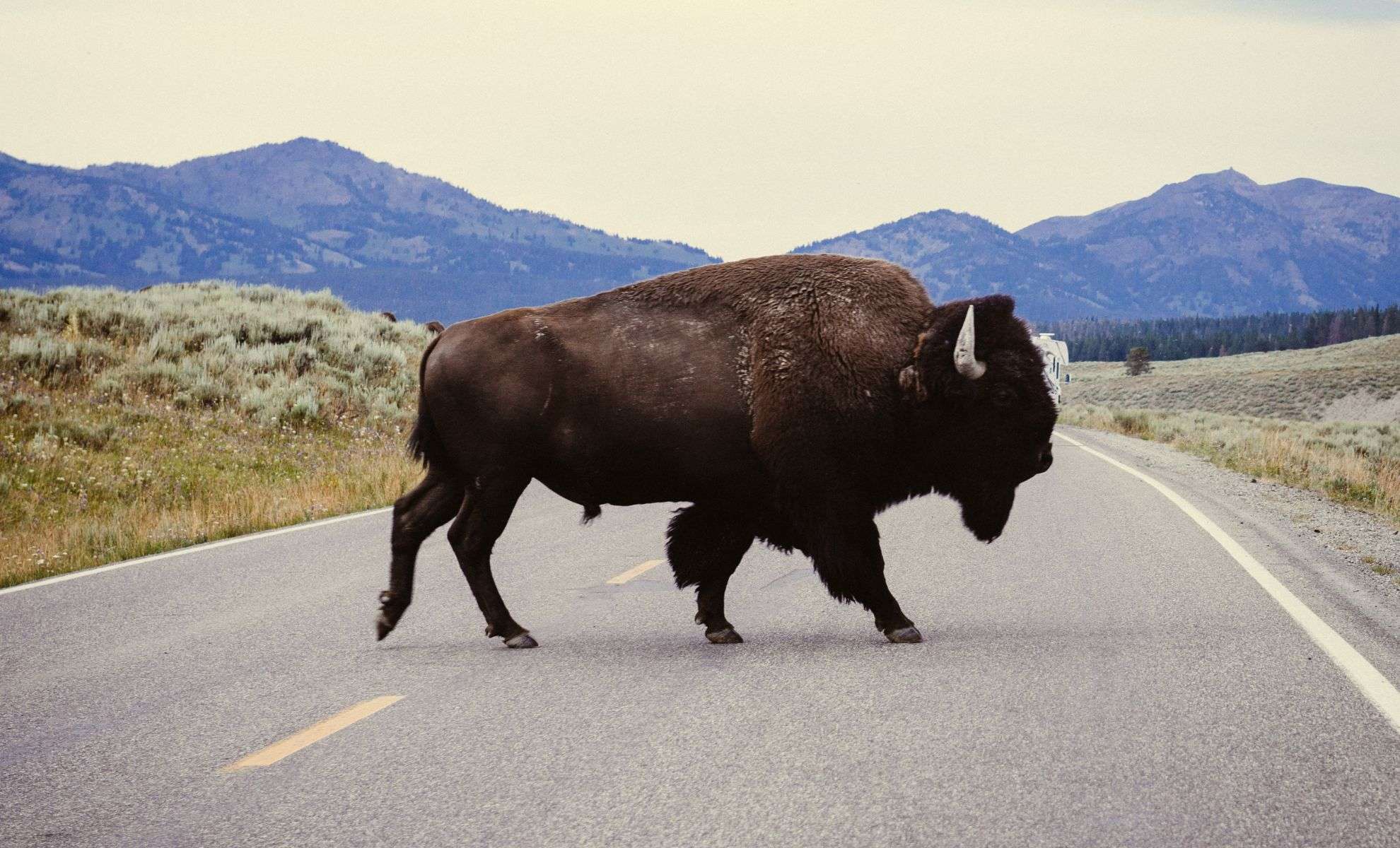
Scientists in the Yukon Territory of Canada have discovered an exquisitely intact bison from the Ice Age.
Dating back approximately 30,000 years, this find ranks among North America's most complete prehistoric mammal specimens.
An Extraordinary Find
Animals Around the Globe reports that, in contrast to the usual fragmented fossils, this bison has retained an impressive level of preservation.

Alongside the bones, the discovery includes well-preserved soft tissues, fur, and even internal organs.
Identified as Bison priscus, also known as the extinct steppe bison, the creature measures around 7 feet long and stands approximately 6 feet tall at the shoulder.
Adding to the specimen's uniqueness is the presence of patches of its striking reddish-brown coat still visible on its body.
The enormous horns, nearly 3 feet across, highlight just how well preserved this specimen remains.
Environmental Factors Behind Preservation
The remarkable condition of the bison is due to the particular conditions it encountered after death.
Shortly after passing, the animal was covered by a mudslide during the spring thaw and then quickly frozen when temperatures dropped. This rapid burial in permafrost arrested decomposition and preserved the animal's soft tissues for thousands of years.
The freeze created an oxygen-poor environment that slowed bacterial decay, keeping the specimen largely intact.
Its swift freezing prevented typical breakdown, while mineral-rich soil around the bison suppressed microbial activity.
Together, these factors produced a natural “mummification” effect, preserving not only bones but also soft tissue and organs.
This extraordinary preservation enabled scientists to retrieve high-quality genetic material from the specimen.
Genetic Discoveries and Insights into Ancient Life
Genetic sequencing from the bison has revealed new details about its species' heritage.
Analysis confirms the specimen as Bison priscus, the precursor to today's American bison (Bison bison) and European bison (Bison bonasus).
Its preserved tissues offer the most comprehensive ancient DNA profile of an Ice Age bison discovered so far.
Researchers also examined stomach contents, uncovering a diet dominated by grasses, sedges, and early seasonal vegetation. Isotopic studies of its teeth and fur suggest it migrated seasonally over extensive distances between feeding areas.
The Contribution of Indigenous Communities
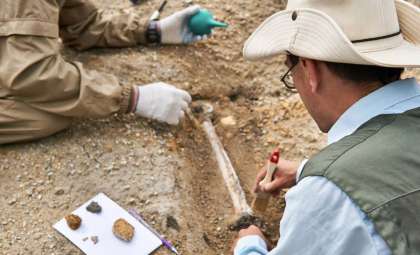
The excavation was a collaborative effort involving scientists and Indigenous peoples of the Yukon, whose long-standing regional knowledge proved invaluable.
Combining Indigenous expertise and Western scientific methods has enriched the understanding of this Ice Age specimen and fostered respectful, inclusive research practices.
Indigenous teams were integral throughout the dig, offering crucial insight into the context of this ancient discovery.
Careful coordination among paleontologists, conservation experts, and researchers ensured the safe recovery of the specimen from its permafrost tomb.
The bison was transported using special chilled containers to laboratories where studies continue, unlocking secrets about this remarkable Ice Age creature.
- Categories:
- News






0 comments
Sign in to Comment