
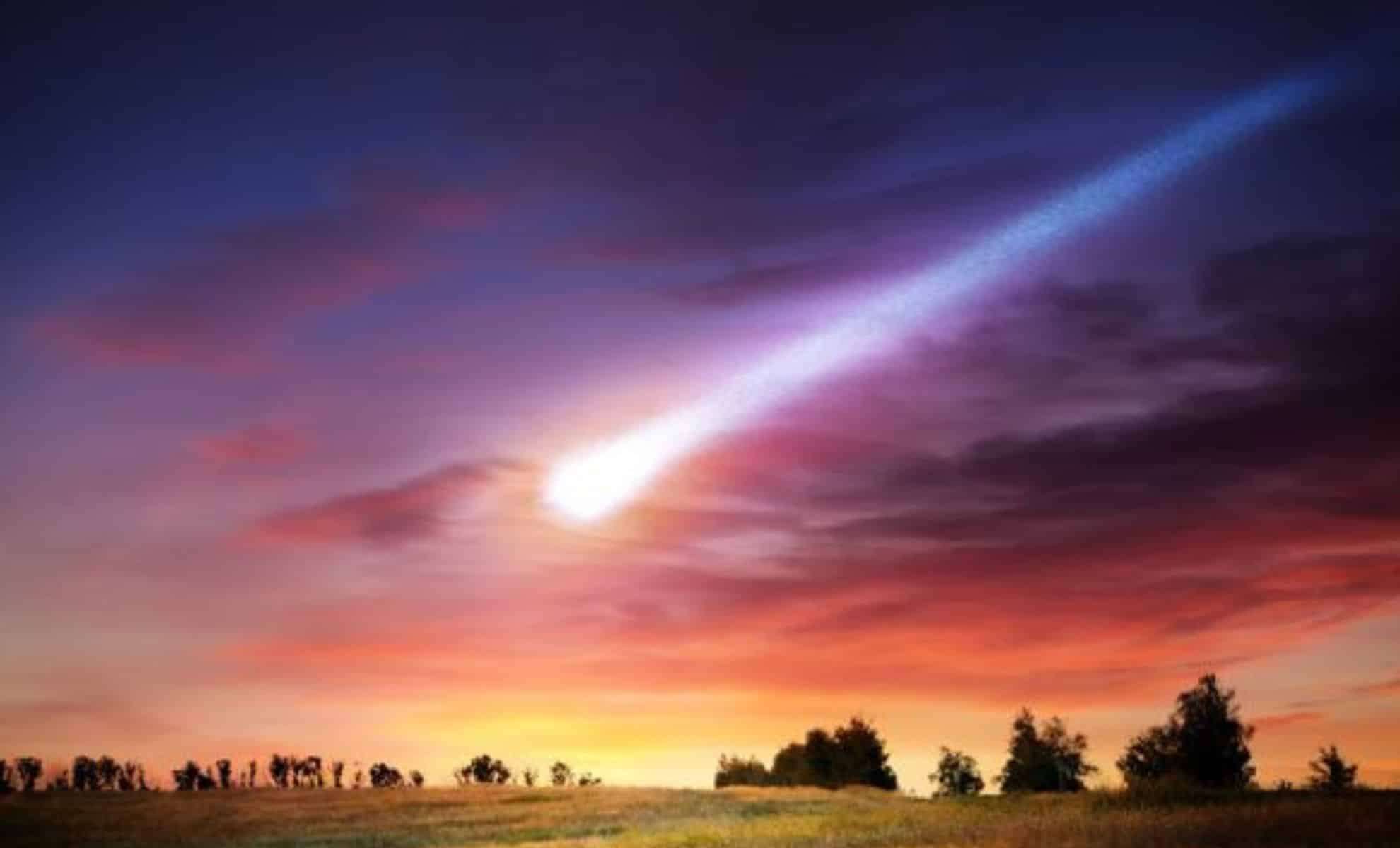
Weather radar technology has unexpectedly become a powerful tool for capturing meteorite falls, offering scientists a fresh perspective in locating and studying these extraterrestrial objects. Traditionally, meteorite discoveries relied mainly on eyewitness accounts or physical finds long after the event, which limited timely scientific analysis. A new research article featured in Advances in Astronomy reveals that systems like NEXRAD, originally built for weather observation, can effectively track meteorites as they descend, enabling swifter recoveries that enrich our understanding of the solar system.
The Importance of Meteorite Falls in Science
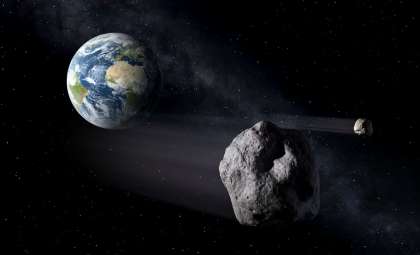
Meteorites are fragments of space debris that survive their fiery passage through Earth’s atmosphere and reach the ground. These samples are scientifically invaluable as they offer clues about the early conditions of the solar system, including the presence of organic molecules, isotopic variations, and evidence of ancient cosmic collisions. Studying meteorites helps unravel the mysteries of planetary evolution, possibilities for life beyond Earth, and the dynamics of asteroid and comet impacts.
Meteorite falls produce bright flashes visible across the sky, often when sizeable objects burn up as “bolides.” After the luminous phase, smaller pieces continue descending, and this is where radar systems play a crucial role.

Weather Radar: A Novel Tool for Meteorite Detection
For years, weather radar has been instrumental in forecasting and observing atmospheric phenomena. Systems like the Next Generation Weather Radar (NEXRAD) emit signals that reflect off various airborne particles—such as raindrops, snow, birds, and insects. Recent findings show these radars can also detect falling meteorite fragments, recording the reflected signals to provide real-time data about their paths, speeds, and likely impact zones.
The research team led by Marc Fries and Jeffrey Fries at NASA demonstrated how the radar can identify meteorite fragments after the primary bolide’s flash dissipates. This capability is vital, given that fragments often continue to fall after the meteor’s visible glow vanishes.
Continuous Radar Monitoring Regardless of Time
Though meteorites are often associated with nighttime visibility, they can enter Earth’s atmosphere during the day as well. Human eyes lack the ability to see meteorites clearly in daylight, but radar systems like NEXRAD operate 24/7, detecting meteorites any time they fall. This round-the-clock monitoring greatly improves the chances of spotting meteorite falls and supports quicker recovery efforts.
By eliminating dependence on visual sightings, scientists gain a more reliable method to track meteorites, which is essential for gathering uncontaminated specimens promptly.
Tracking Meteorites Beyond the Visible Flame
When a meteor encounters Earth’s atmosphere, it heats intensely through friction, ionizing the surrounding air and creating a bright streak. After this visible trail fades, radar technology takes over by bouncing waves off the descending fragments, producing clear radar echoes. These reflections supply key information regarding the meteor’s size, speed, and location, which are crucial for identifying where fragments may reach the surface.
Using this radar data, scientists can outline the “strewn field” — the area scattered with meteorite pieces. Calculating strewn fields involves analyzing radar trajectories, atmospheric wind patterns, and weather data collected from instruments such as weather balloons.
Enhancing Meteorite Retrieval Accuracy and Speed
Integrating weather radar into meteorite tracking accelerates recovery missions and improves the precision of locating fallen fragments. A notable case is the 2003 Park Forest meteorite event, where radar data proved indispensable in guiding teams to the meteorite’s landing sites. The samples found there provided critical insights into asteroid collisions and fragmentation mechanisms.
Once detected via radar, search parties can quickly respond, increasing the likelihood of recovering fresh meteorite material before environmental exposure alters their composition.
- Categories:
- News





0 comments
Sign in to Comment