
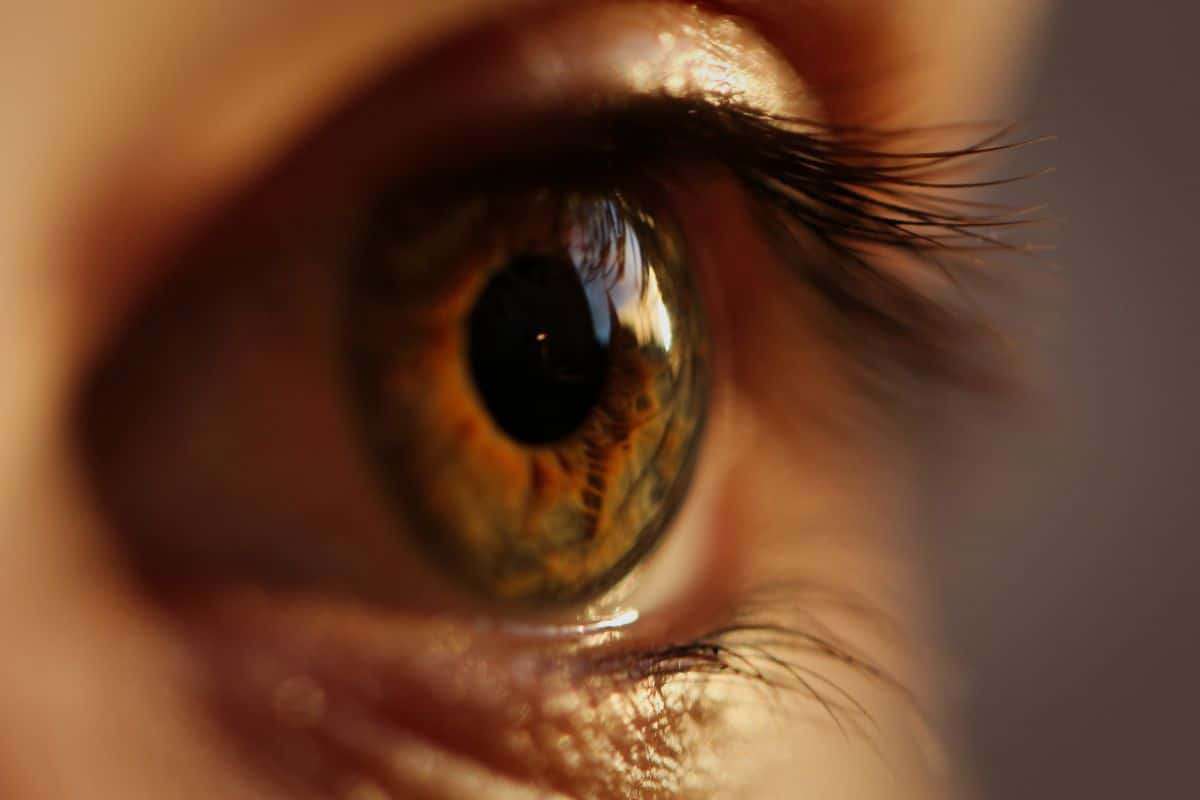
Innovative research reveals that simple, non-invasive eye imaging might be a game-changer for forecasting an individual’s stroke risk. Scientists have uncovered a strong correlation between the fine architecture of retinal blood vessels—the microscopic vessels at the back of the eye—and the chances of experiencing a stroke in the future. These insights not only pave the way for early diagnosis but also emphasize the crucial role eye examinations can play in detecting wider systemic health issues. By decoding the subtle patterns and alterations of these vessels, researchers are developing new preventive measures to reduce stroke incidence through timely interventions.
Decoding Stroke Risk Through Retinal Imaging
The retina’s vascular system, situated at the eye’s rear, reflects the state of brain blood vessels remarkably well. Careful analysis of retinal photos has led to the discovery of 29 distinct vascular indicators associated with stroke risk, including changes in vessel density, length, and branching complexity, all of which could signify underlying disruptions in cerebral vascular health.
Utilizing data from the UK Biobank, a comprehensive health database, the team examined retinal images of over 45,000 adults aged 55 and above. During an average follow-up duration of 12.5 years, 749 participants suffered strokes.

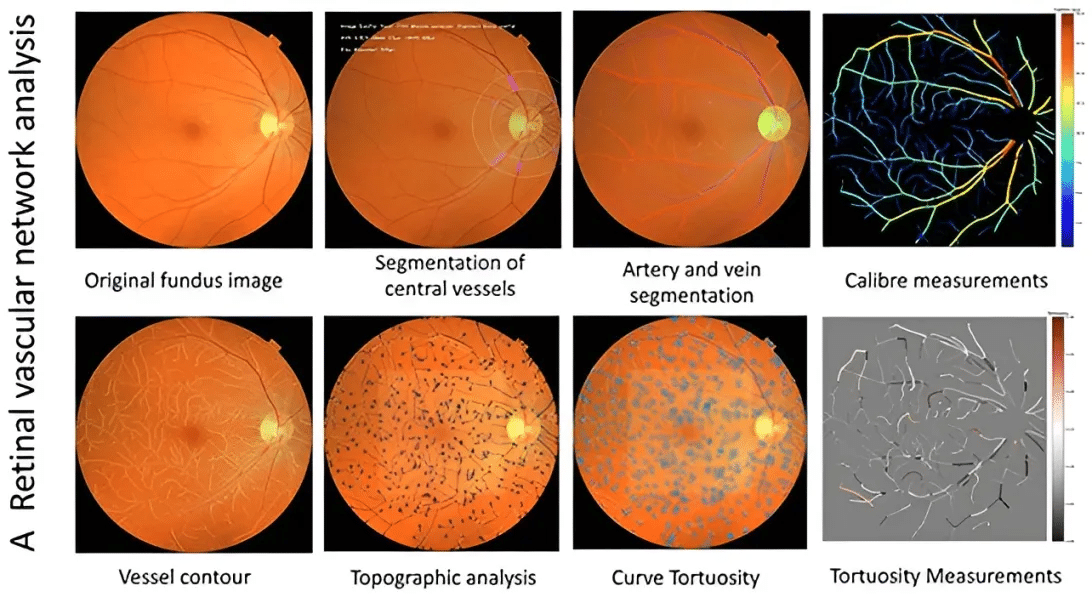
Advanced machine learning techniques identified unique vascular patterns within retinal images, allowing researchers to better understand how tiny changes in eye blood vessels relate to the risk of stroke.
Transforming Diagnostics with Artificial Intelligence
AI technology was instrumental in evaluating retinal images, detecting subtle abnormalities invisible to human observers. The AI system found that specific attributes of retinal vessels, such as increased curvature length and diameter variations, corresponded with a 9.8–19.5% greater stroke risk.
“Our findings indicate that this association is mainly due to arterial density parameters. Pathologically, this could result from compromised oxygen and nutrient supply.” writes the team in their published paper.
This AI-driven technique showed predictive accuracy on par with established methods that evaluate stroke risk factors like age, high blood pressure, and cholesterol levels. These insights suggest that retinal scans could serve as a complementary, less invasive tool for stroke risk assessment.
Broader Impacts on Health Care
As stroke remains a leading cause of death and disability globally, early identification is vital. The study’s authors emphasize the potential of retinal imaging to become a valuable screening method in primary care clinics, especially in regions with limited resources.
Early detection allows healthcare providers to recommend lifestyle adjustments or medical interventions to lower stroke risk. The retina’s accessibility and its similarity to brain vessels make it an excellent target for preventative health strategies.
Remaining Challenges and Future Directions
Though promising, the research establishes correlation rather than causation between retinal vascular changes and stroke. Additional studies are needed to enhance the prediction model by factoring in genetics, lifestyle, and other health conditions.
Future investigations might also examine connections between these retinal markers and other vascular-related conditions like dementia or cardiovascular disease, potentially broadening retinal imaging’s application in medical diagnostics.
Bridging Innovation and Patient Care
This study marks progress in integrating AI with routine health screening. By pairing AI’s analytical power with straightforward eye scans, medical professionals can improve access to risk prediction, particularly in underserved populations.
Patients benefit through earlier risk warnings and tailored care plans, while clinicians gain a more efficient method to identify individuals at high risk before symptoms emerge.
The Eye as a Vital Link to Brain Health
The research highlights the close connection between ocular and brain health, demonstrating how AI and imaging advances are reshaping our grasp of stroke risk. As understanding deepens regarding retinal health and vascular disorders, the future of preventative healthcare looks increasingly hopeful.
Adopting cutting-edge diagnostic tools like retinal imaging brings us closer to a world where early detection and timely treatment reduce stroke-related harm and save countless lives.











0 comments
Sign in to Comment