
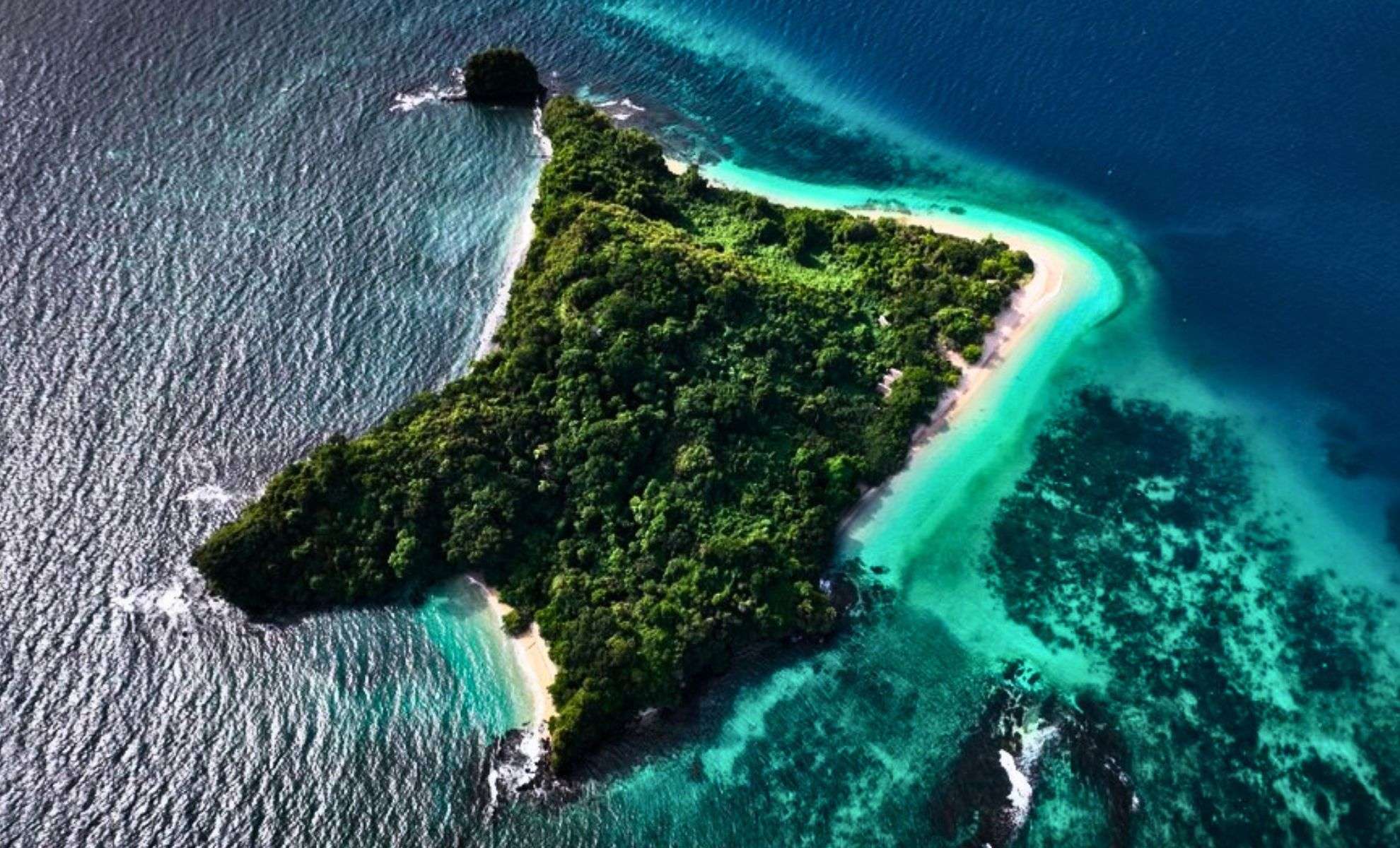
While it won’t appear like a mythical Atlantis, a prehistoric island submerged beneath the South Atlantic Ocean for tens of millions of years has now reemerged—at least in scientific findings and geopolitical strategies.
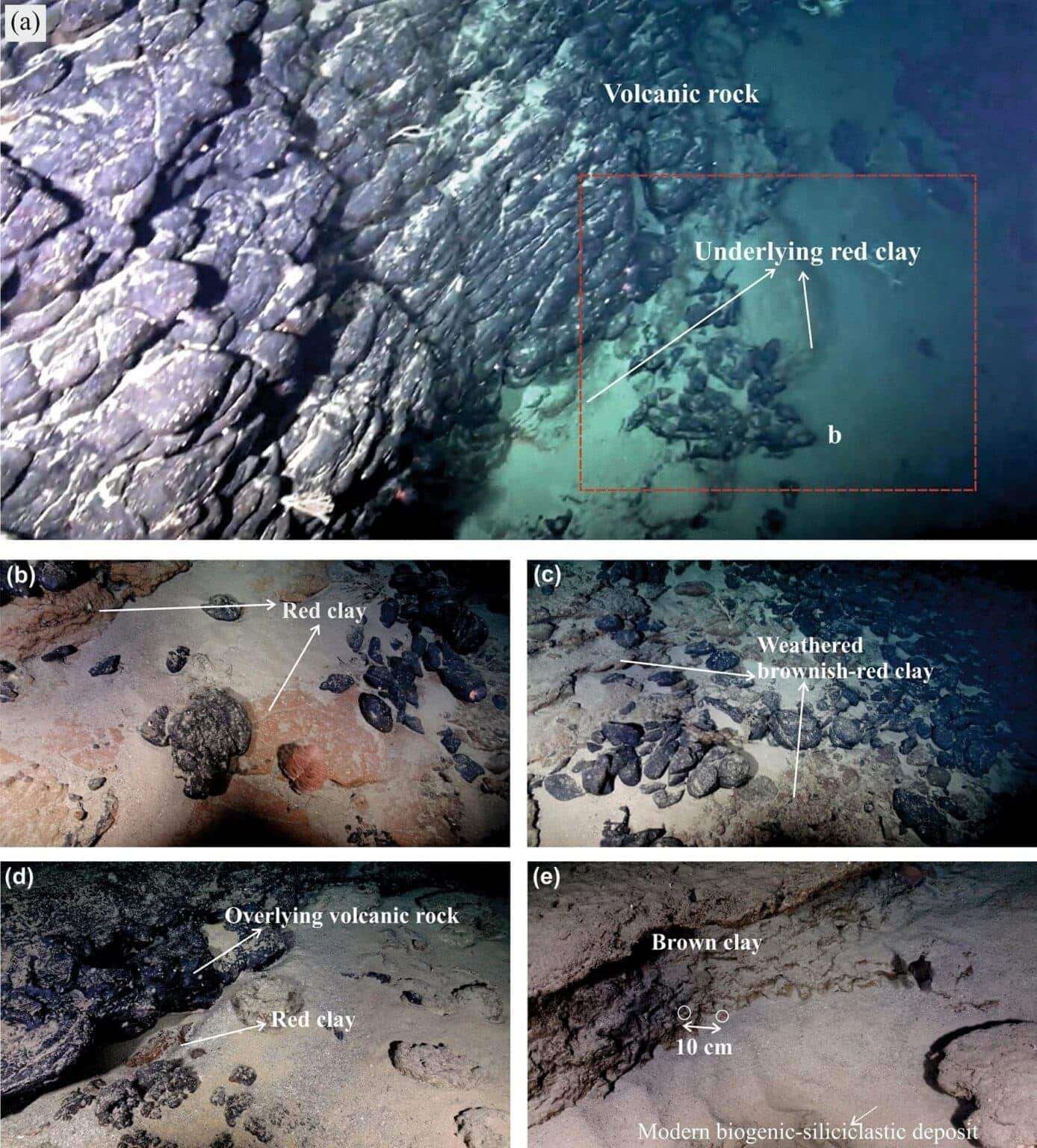
A newly published study in Scientific Reports by experts from the University of São Paulo and the UK’s National Oceanography Centre reveals that the Rio Grande Rise, a submerged volcanic plateau situated roughly 1,200 km off Brazil’s coastline, once stood above sea level as an island. Researchers uncovered layers of red clay enriched with kaolinite and hematite minerals—substances typically formed on terrestrial landscapes within warm, humid climates—embedded between ancient lava flows.
"It’s not only about the discovery itself but where we discovered it," explained Luigi Jovane, the study’s principal investigator. "Such clay deposits could not have been transported from elsewhere; they originated on the island when exposed to atmospheric conditions and rainfall."

A Tropical Island’s Forgotten Legacy Beneath the Sea
The red clay’s Chemical Index of Alteration (CIA) measured an impressive 93, reflecting profound chemical weathering consistent with prolonged tropical environmental exposure. Sediments retrieved from a depth of 650 meters point to their formation during the Eocene epoch, over 40 million years ago, an era marked by a significantly warmer global climate.
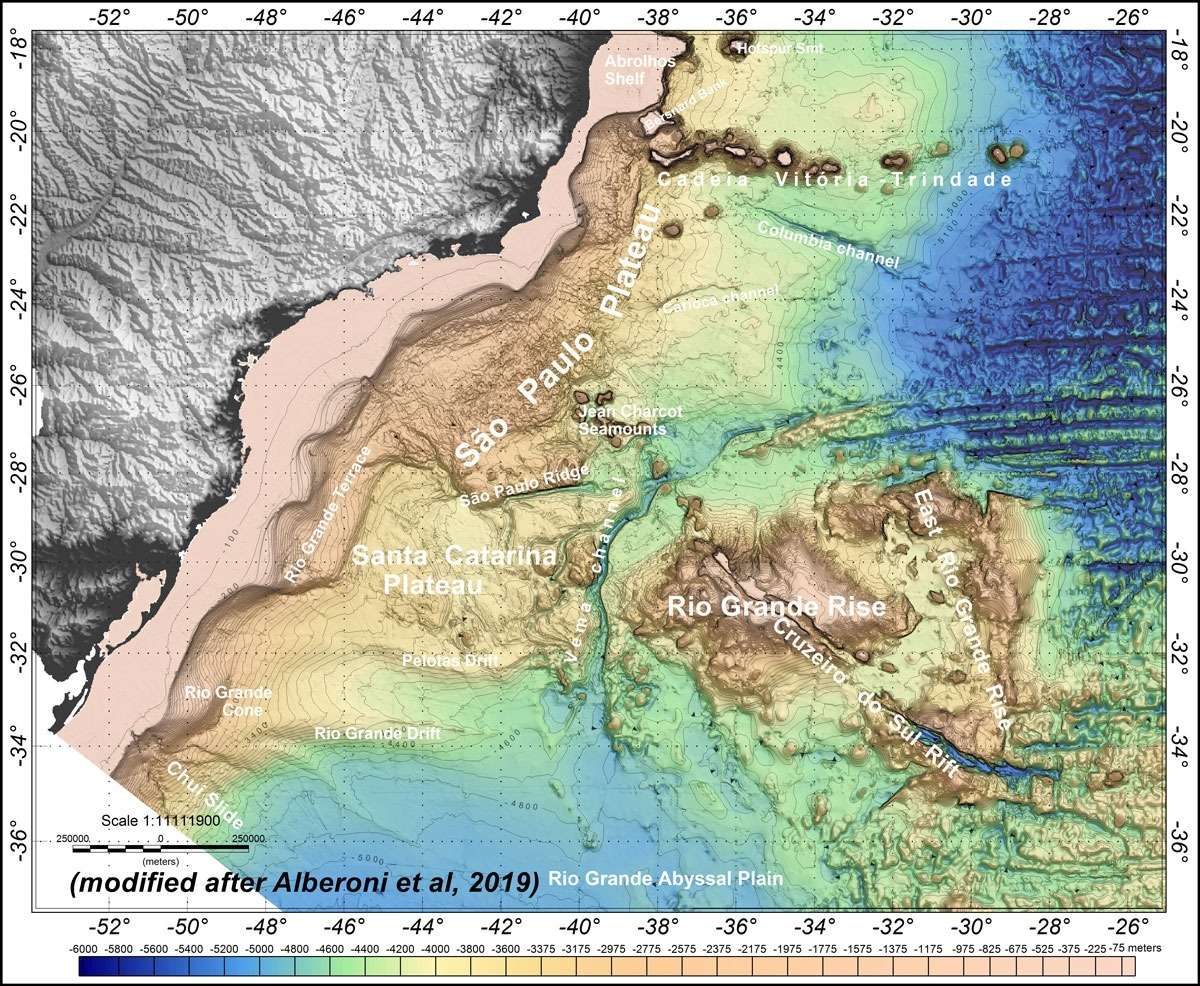
The pattern of alternating red clay and lava layers—detected through autonomous underwater drones and remotely operated submersibles—suggests intermittent volcanic episodes. Periods of intense volcanic activity were separated by long quiet intervals that allowed the land to weather and erode naturally, resembling volcanic flood basalt formations like India’s Deccan Traps or the US's Columbia Plateau.
What distinguishes the Rio Grande Rise is its present-day position deep under the Atlantic, outside the boundaries of any single country’s exclusive economic zone (EEZ).
Brazil Seeks Sovereign Rights Over Ancient Seabed
Despite these challenges, Brazil is advancing a bold claim. Following this discovery, the Brazilian government has officially petitioned the United Nations to extend its continental shelf to incorporate the Rio Grande Rise. If approved, Brazil would secure sovereign rights to explore and exploit seabed minerals.
This move holds the promise of tapping into significant reserves of vital battery minerals such as lithium, cobalt, nickel, and tellurium, essential components for electric vehicles, solar energy systems, and other green technologies. Preliminary reports cited by the Indian Defence Review identify the area as a prospective major offshore source for these critical raw materials.
However, the Rio Grande Rise is currently governed by the International Seabed Authority (ISA), which oversees deep-sea mining in international jurisdictions. To legitimize its claim, Brazil must demonstrate that this plateau is geologically continuous with its continental shelf and ensure that mining activities won’t cause irreversible damage to marine ecosystems.
Balancing Scientific Discovery, National Interests, and Environmental Protection
Environmental specialists remain cautious about initiating industrial mining operations in this area. The seabed of the Rio Grande Rise hosts delicate habitats, including coral formations and microbial life yet to be thoroughly investigated. ISA regulations mandate in-depth environmental assessments, but experts warn significant knowledge gaps persist.
"The ecosystems here have evolved in seclusion for millions of years," noted Jovane. "We need to carefully evaluate the risks before introducing industrial exploitation into this fragile environment."
This groundbreaking finding has reignited global debates around marine jurisdiction, regulation of deep-sea mining, and harmonizing resource extraction with conservation goals. The discovery aligns with rising concerns over battery material shortages that are driving costs upward and pushing nations to seek alternative sources beyond traditional terrestrial mines.
- Categories:
- News











0 comments
Sign in to Comment