
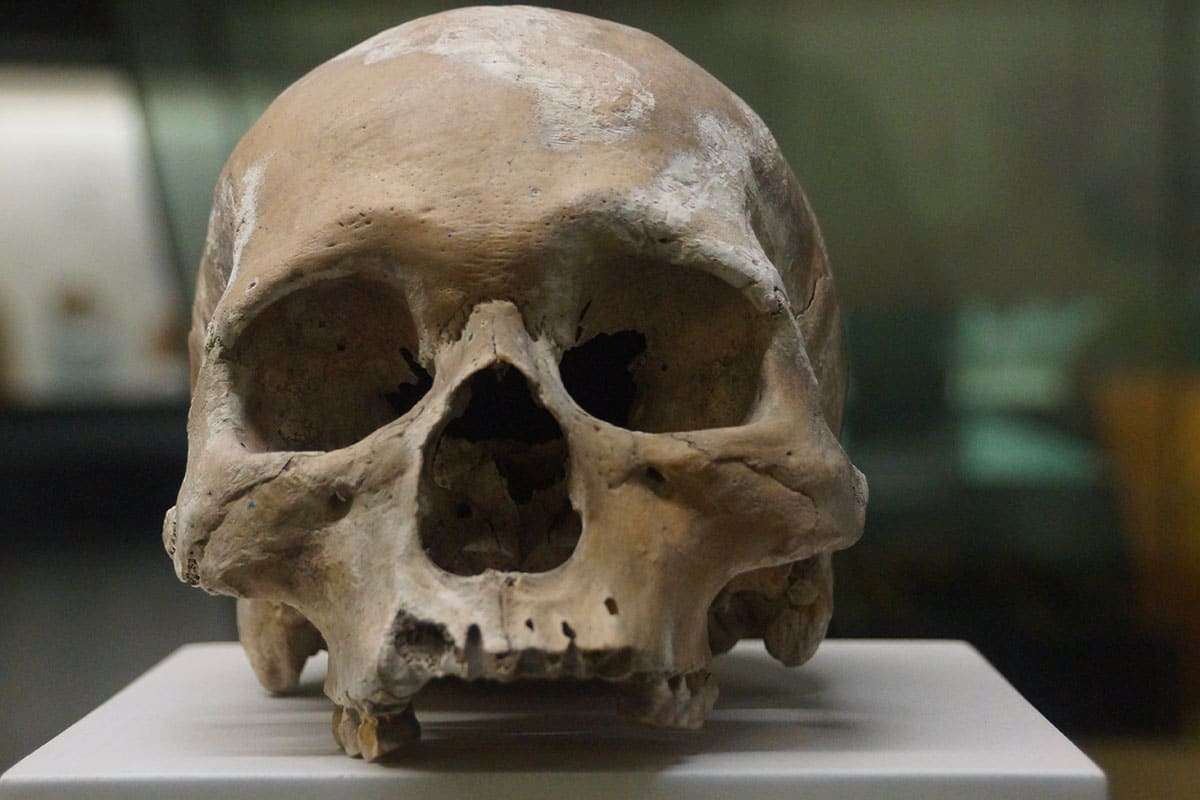
Despite the advances in oral hygiene today, tooth decay remains a widespread issue. Interestingly, our prehistoric ancestors experienced fewer cavities, even without access to toothpaste or floss. This contrast highlights the significant impact diet has had on dental health through the ages.
Discoveries from Ireland’s Bronze Age
Researchers unearthed two teeth dating back to the Bronze Age, approximately between 2280 and 2140 B.C., in a limestone cave located in County Limerick, southwest Ireland. Excavations conducted between 1993 and 1996 yielded these specimens, which provided valuable clues about ancient oral bacteria.
The teeth contained a notable presence of Streptococcus mutans, the bacterial species responsible for cavity formation today. Although the enamel remained well-preserved, the presence of S. mutans suggested the potential for dental decay. Other teeth from the same site showed signs of damage, but their exact association with individual skeletons was uncertain due to mixed remains.

The Importance of Detecting Streptococcus mutans in Ancient Samples
Finding Streptococcus mutans in ancient remains is quite uncommon because its acid production usually degrades DNA samples, making it difficult to identify. Its rarity reflects ancient diets lower in sugars before the agricultural revolution.
Past investigations uncovered traces of S. mutans in a Neolithic tooth from southwest France and in old Scandinavian mastic substances, underlining how dietary shifts have influenced oral microbial communities over millennia.
Diet-Driven Evolution of Oral Bacteria
The study reveals how dietary changes over recent centuries have shaped the evolution of S. mutans. Increased sugar consumption provided the bacteria with more resources to thrive, leading to a noticeable population increase after the medieval era.
Comparative analyses indicate that the rise of refined sugar in the 19th century coincided with heightened rates of tooth decay. Similarly, dental caries became more prevalent following the adoption of cereal farming around 10,000 years ago.
Transformations in Human Oral Microbiomes
Research published in Nature Genetics in 2013 explored how shifting diets altered the composition of oral bacterial communities over time. Harmful bacteria like S. mutans gained dominance, often displacing beneficial species that maintained oral health balance.
Another bacterium, Tannerella forsythia, associated with periodontal diseases, was found to exhibit greater genetic diversity in ancient mouth microbiomes compared to modern populations.
Implications for Modern Health
The current decline in microbial diversity within our mouths raises concerns regarding its effects on human health. Prehistoric populations harbored much more varied oral microbiomes, which might explain why some diseases are more prevalent in contemporary Western societies.
Scientists such as Lara Cassidy from Trinity College Dublin emphasize the importance of studying how recent dietary habits impact both oral and gut microbiomes. These insights are crucial for addressing modern health challenges linked to disruptions caused by diets high in sugar and processed foods.
In the words of Louise Humphrey from the Natural History Museum in London: “Higher caries rates correlate with increased availability”—a compelling reminder that our dietary choices influence not just our well-being but could also affect the health of future generations.
Examining ancient dental health offers a compelling window into our past and guides us toward understanding how to maintain healthier lifestyles amid today’s changing nutritional landscape.
- Categories:
- Health













0 comments
Sign in to Comment