
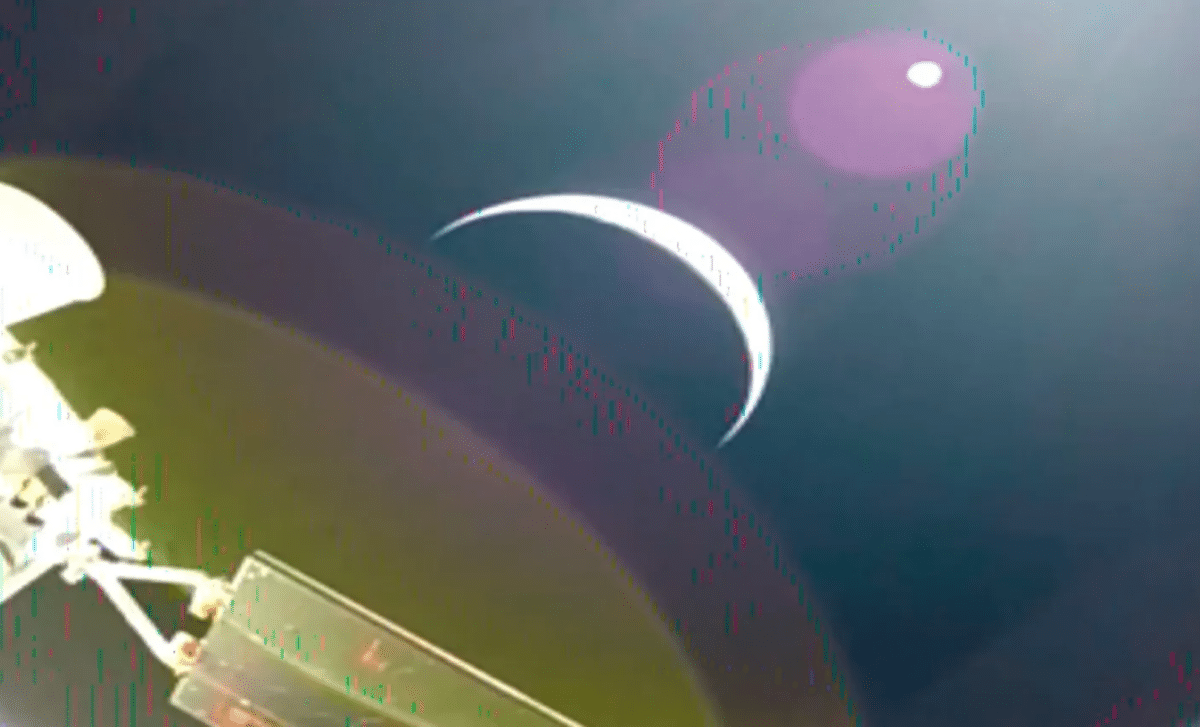
A captivating new image connected with NASA's Artemis II mission is transforming our perspective on humanity’s return to deep space. It offers a unique glimpse that highlights both the delicate nature and shared existence of our planet.
A Milestone View from Artemis II
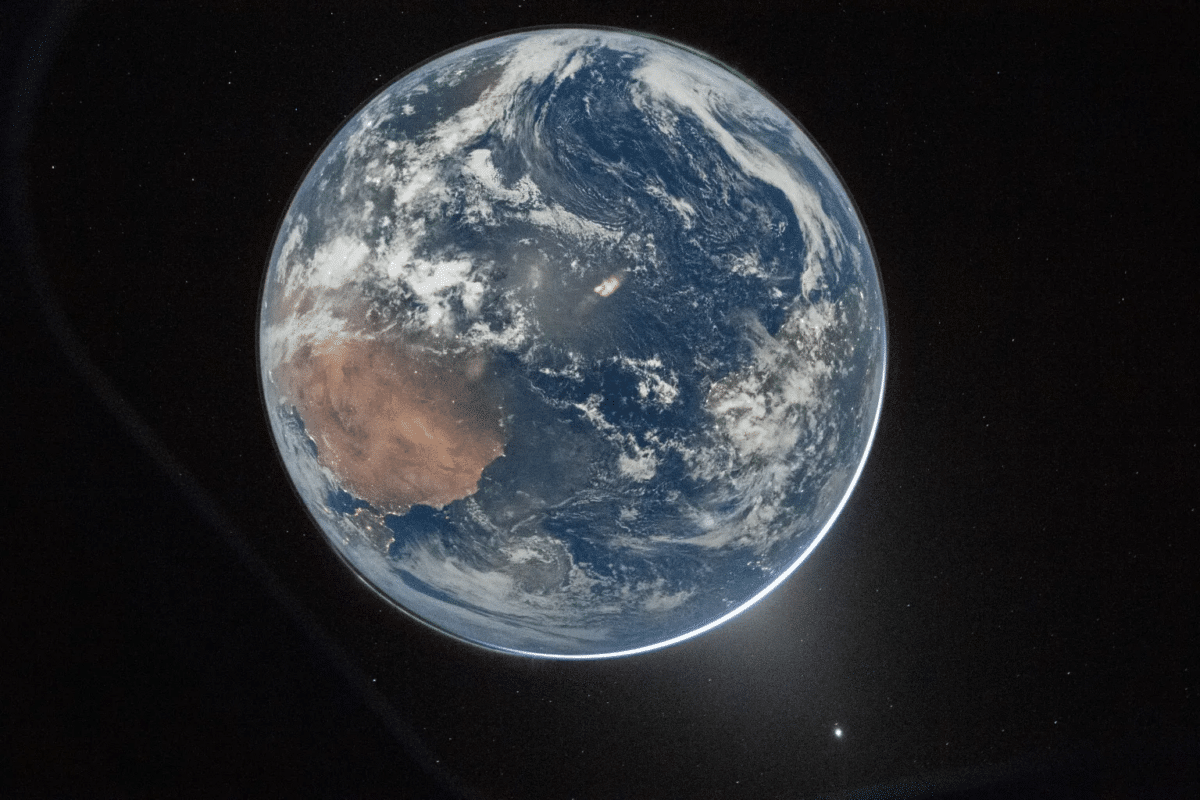
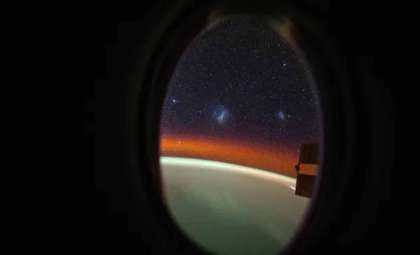
The forthcoming Artemis II mission, which will transport astronauts around the Moon, is as much an emotional and visual event as it is a technical feat. Central to the excitement is a breathtaking image representing what the crew will observe: Earth suspended in the vast expanse of space, a glowing orb set against endless darkness. Comparable to iconic photos like the “Blue Marble” and “Earthrise”, this viewpoint transforms Earth into an object of observation—finite, vulnerable, and connected.
Unlike any mission in recent memory, Artemis II marks the first human journey beyond low Earth orbit in over five decades. The image tied to this mission is more than symbolic; it is founded on thorough trajectory analysis, lighting models, and observational forecasts. It represents a real view the astronauts will experience as they traverse thousands of miles from our home. This blend of scientific accuracy and emotional impact brings the mission closer to all of us.

Behind the Science of the Image
NASA explains that the image is a product of exact calculations involving the spacecraft's orbit and mission planning. Experts determined the spacecraft’s trajectory, positioning, and timing relative to the Sun and Earth to create this projected view. This isn't artistic interpretation but a data-driven simulation rooted in decades of exploration and modern computational techniques.
The depiction illustrates how perspective changes with distance. From Artemis II's vantage, Earth looks smaller yet more unified, without distinct borders. The faint glow of atmospheric layers emphasizes the thin protective shell sustaining life. These elements not only create a powerful visual but also deepen scientific appreciation of Earth’s fragility.
NASA underscores the importance of such images in engaging the public and enhancing education. Visualizations like this translate complex space mission details into accessible experiences, broadening interest beyond specialized fields.
The Growing Importance of This Outlook
Historical images of Earth from space have significantly influenced culture, policy, and environmental awareness. The Artemis II perspective emerges amidst escalating global challenges such as climate change, resource scarcity, and geopolitical conflicts. Viewing Earth from deep space removes abstractions and emphasizes our common vulnerability.
This approach has the potential to shift public consciousness regarding planetary care. Observing Earth as an isolated, singular entity makes the concept of shared responsibility more concrete. Artemis II’s imagery could inspire renewed environmental and cooperative commitment across generations, much like photos from the Apollo era once did.
Beyond the scientific message lies a psychological phenomenon. Many astronauts report experiencing the “overview effect,” a profound realization of interconnectedness triggered by seeing Earth from orbit. Artemis II promises to extend this insight to millions by sharing images evoking a similar emotional impact.
Advancing Human Exploration
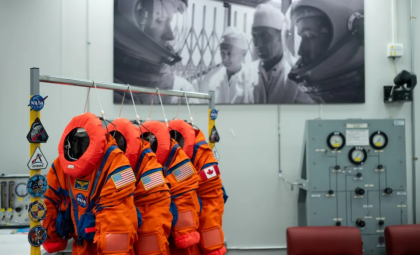
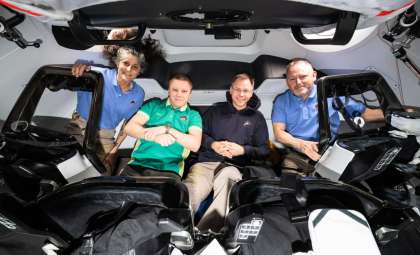
Artemis II is not only about returning to lunar orbit; it marks a step toward a sustained human presence beyond Earth. This mission will verify key technologies, assess spacecraft readiness, and set the stage for future moon landings under the broader Artemis program.
The image tied to Artemis II serves as both a glimpse forward and a vow. It symbolizes humanity’s renewed journey into distant space, carrying with it a fresh perspective as well as advanced tools. This reminds us that exploration involves not just physical destinations, but a transformed understanding of our place in the cosmos.
As excitement grows, this breathtaking view endures as a powerful symbol: sometimes the greatest discoveries are not new planets, but new ways to see our own.
- Categories:
- Nasa



0 comments
Sign in to Comment