
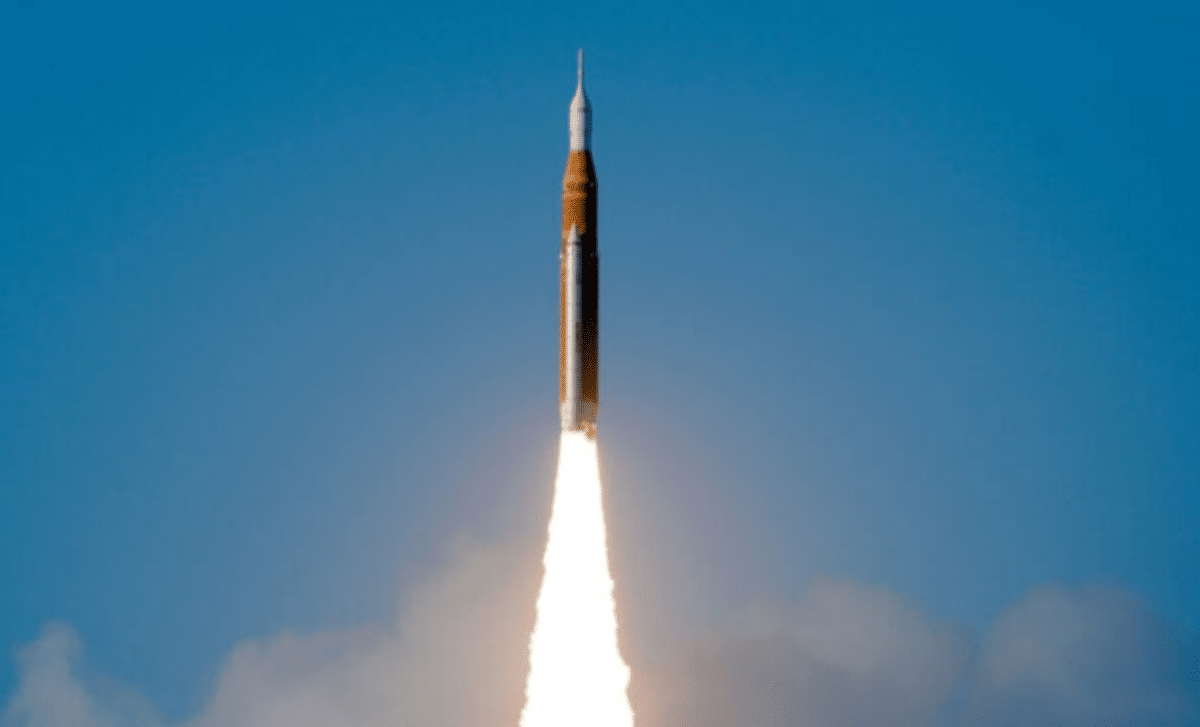
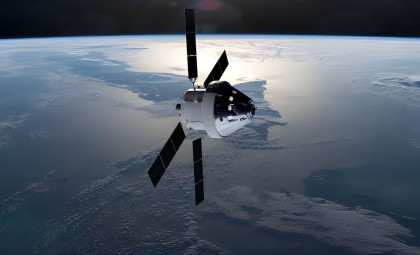
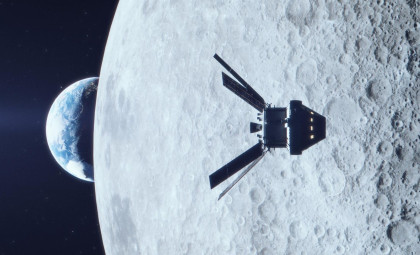
NASA’s Artemis II mission has officially commenced, marking humanity’s first venture into deep space in over five decades. On April 1, 2026, the Orion spacecraft lifted off from Kennedy Space Center, embarking on a 10-day mission to orbit the Moon and set the stage for future lunar landings. This journey is more than a mission; it symbolizes humankind’s drive to push the limits of space exploration.
A Fresh Era in Moon Exploration
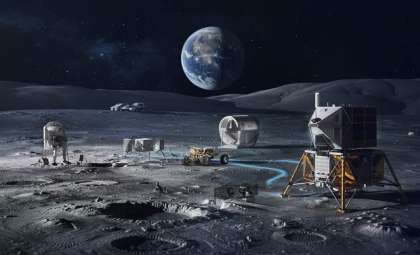
The Artemis II mission signals a landmark milestone by returning humans to the Moon, an aspiration once thought unreachable. NASA associate administrator Amit Kshatriya highlighted this during a pre-launch press event: “Fifty-three years ago, humanity left the Moon and did not return. Now we go back.” This mission is a critical step toward NASA’s ambition to land astronauts at the Moon’s south pole for scientific study with Artemis IV planned for 2028.
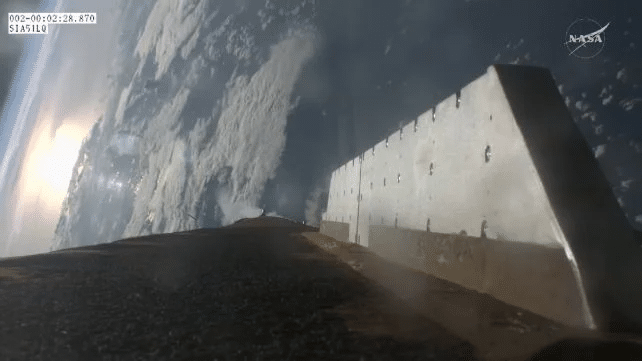
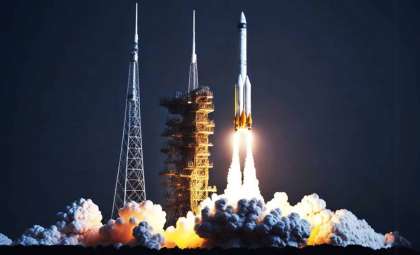
At 22:35 UTC on April 1, 2026, the formidable Space Launch System (SLS) rocket launched the Orion capsule from Launch Pad 39-B in Florida. This marks the debut crewed flight of both NASA’s SLS rocket and the Orion spacecraft. The mission will send four astronauts on a lunar orbit loop before their safe return to Earth—the first human journey beyond low Earth orbit since Apollo 13 in 1970, ending a half-century hiatus.

A Historic Milestone for Humanity
Following liftoff, the Artemis II astronauts expressed their awe: “We have a beautiful moonrise. We’re headed right at it.” Beyond the technological triumph, this mission embodies human curiosity and perseverance. The crew, including Mission Commander Reid Wiseman, Pilot Victor Glover, and Mission Specialists Christina Koch and Jeremy Hansen, embark on an unprecedented voyage farther from Earth than ever before, underscoring the mission’s monumental importance.
The Artemis program has overcome numerous hurdles, and Artemis II brings NASA’s vision of lunar return closer to fruition. It aims to validate Orion’s systems under the rigors of deep space flight, testing life support, navigation, and communication components. This mission is both a spacecraft trial and a testament to humanity’s readiness to explore beyond Earth’s orbit.
Artemis II’s Pivotal Role in Space Exploration
This mission transcends a simple lunar journey; it is an essential test preparing for future Moon expeditions. Chief Flight Director Emily Nelson emphasized its importance: "This is the opportunity… to send our crew farther than anyone has gone before." Artemis II will yield vital insights into living and working in deep space, confronting challenges like communication delays, navigation difficulties, and astronaut health.
Furthermore, Artemis II exemplifies the value of global partnership and cutting-edge technology. NASA collaborates extensively with international agencies and commercial partners, fueling these daring space endeavors.
“This challenge of expanding the frontier will be won … by the craftsmen, the engineers, and the industries of free nations, building together what no nation can build alone,” Kshatriya remarked in a statement that highlights the global effort behind the Artemis program.
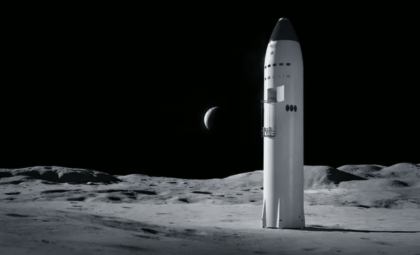
Looking ahead, Artemis II lays the groundwork for Artemis III in 2027, which will focus on critical rendezvous and docking in lunar orbit as preparation for the first crewed Moon landing under this program. Each mission incrementally strengthens NASA’s capacity for sustained human presence beyond Earth.
The Future Path of the Artemis Initiative
Artemis II marks the initial phase of NASA’s broader ambition to set up a permanent human presence on the Moon and eventually journey to Mars. This mission confirms NASA’s capability to send people to lunar orbit and heralds readiness for the challenge of interplanetary missions.
The mission ignites inspiration among budding scientists, engineers, and explorers. Chief Flight Director Nelson reflected, “It’s an incredible moment for the Artemis generation and we’re excited and we are ready to press.” For those aboard Orion, this venture is a historic leap forward that will resonate through generations.
- Categories:
- Space

0 comments
Sign in to Comment