
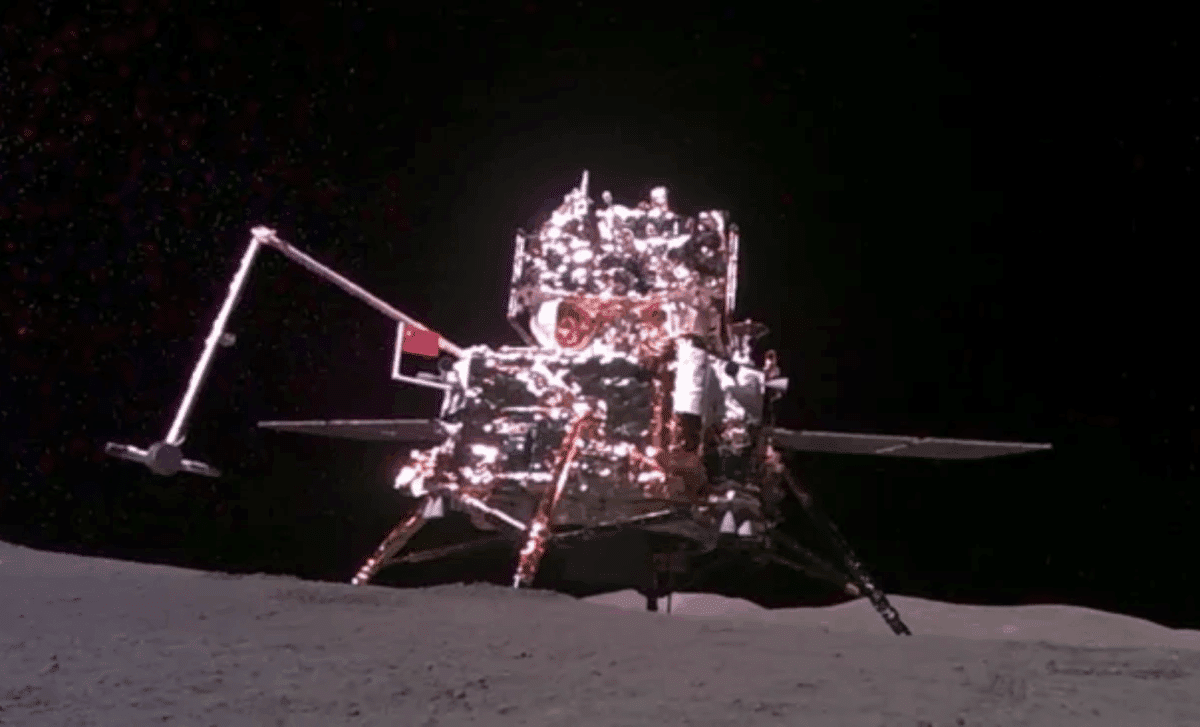
Groundbreaking analysis of lunar soil returned by the Chang’e-6 mission has uncovered unusually cohesive material at the landing zone, shedding new light on lunar surface properties. Published in Nature Astronomy, this study challenges previous conceptions of the Moon’s regolith by revealing soil with distinctive particle structures and notable stickiness. Here, we explore the significance of these findings and what they mean for upcoming space exploration efforts.
Discovering the Unique Adhesive Nature of Lunar Soil
China’s Chang’e-6 expedition has delivered some of the most fascinating lunar samples acquired recently. Scientists identified a strongly cohesive soil within these samples, a trait rarely associated with lunar regolith. The origins of this cohesion are under investigation, with geological factors specific to the Moon’s environment believed to play a key role. The research published in Nature Astronomy highlights that a high concentration of plagioclase minerals coupled with the fine-grained nature of the particles contributes substantially to this adhesive behavior.
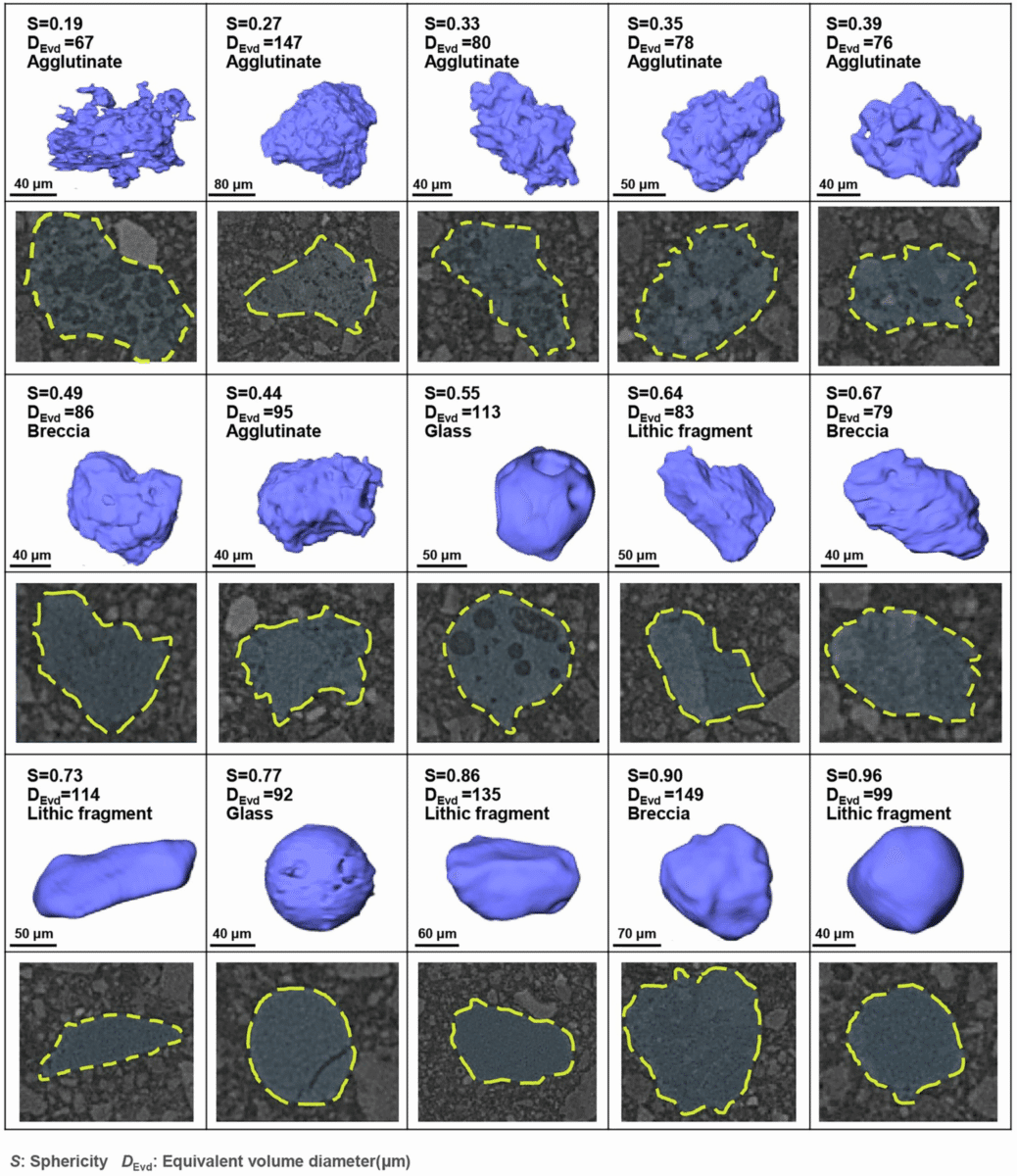
The soil exhibits an intermediate particle size, with a D60 value at 48.4 micrometers. This size range corresponds with a higher fraction of mid-sized particles, which enhances the soil’s ability to cling together. Unlike the loosely packed lunar soils typically observed, the Chang’e-6 regolith shows a remarkable level of adhesion. These insights are set to transform how scientists think about lunar soil characteristics and their interaction with the Moon’s environment.

Insights on Space Weathering and Impact Processes
One critical factor influencing the cohesive nature of the Chang’e-6 soil is space weathering. Continuous exposure to micrometeorite impacts and the solar wind alters the lunar surface, changing particle shapes, sizes, and binding qualities.
“This is unusual,” noted Prof. Qi, one of the leading researchers in the study. “Finer particles are typically more spherical. Despite being fine-grained, Chang’e-6 soil displays more complex particle morphologies.”
The irregular particle shapes revealed in the Chang’e-6 data imply more complex surface processes than formerly understood. The high degree of impact modification in this region likely contributes to the preservation of greater particle cohesion than expected.
Researchers propose that interactions between finely crushed particles and impact-induced space weathering play a significant part in producing the observed stickiness. Over billions of years, relentless meteorite bombardment has reshaped the lunar regolith, enriching soil properties with distinctive adhesive qualities. These findings are crucial for understanding lunar history and for mission planning where soil mechanics directly impact operations.
Consequences for Upcoming Lunar Exploration
These discoveries hold considerable relevance for next-generation lunar exploration. Adequate knowledge of soil cohesion is essential for the design of surface equipment, human activity, and resource procurement on the Moon.
For instance, the adhesion properties of Chang’e-6 soil could impact how lunar rovers maneuver and how excavation tools perform. Equipment must be engineered to handle more adhesive soil conditions, minimizing operational challenges. Additionally, astronauts may need specialized gear and habitat designs adapted to these soil traits.
Understanding the nuances of lunar soil stickiness also influences the potential for extracting resources on the Moon. The regolith is rich in materials suitable for in-situ resource utilization (ISRU), such as water ice and construction elements, with soil cohesiveness affecting the efficiency of such processes.
Comparing Soil Samples: Chang’e-6 and Apollo Missions
Evaluating Chang’e-6 samples alongside those from earlier missions like Apollo offers valuable comparative insights into lunar soil variability. Apollo findings demonstrated that regolith properties differ vastly depending on geography and surface age.
Studying these contrasts helps scientists piece together the Moon’s geologic evolution and identify factors guiding soil cohesion trends. Differences and commonalities across mission samples are key to comprehending lunar soil dynamics comprehensively.
- Categories:
- Science









0 comments
Sign in to Comment