
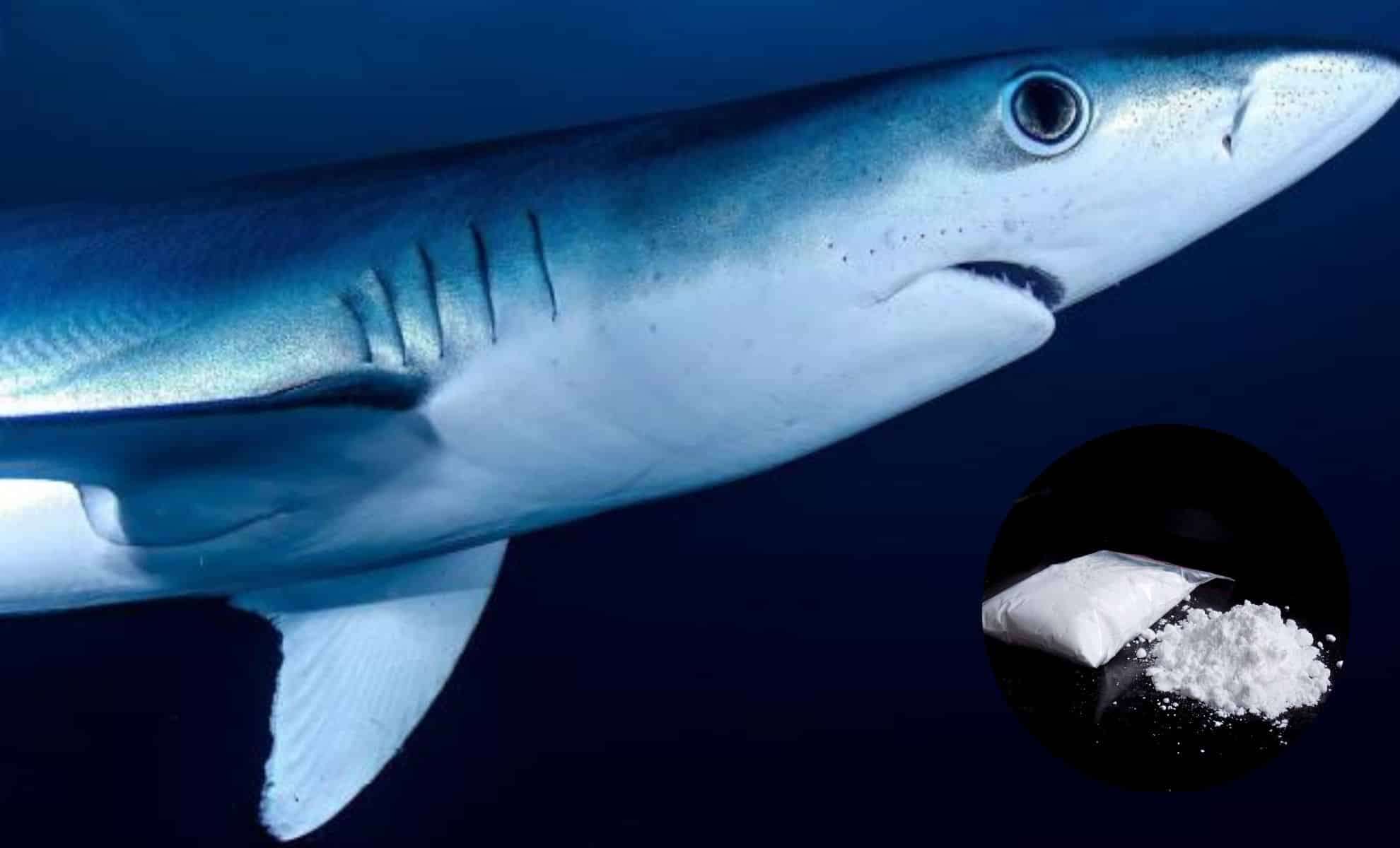
Scientists have uncovered a shocking presence of cocaine in Brazilian sharpnose sharks (Rhizoprionodon lalandii) inhabiting coastal waters off Brazil.
Research led by teams from the Oswaldo Cruz Foundation and collaborating organizations has revealed troubling evidence of drug contaminants in marine species, raising urgent concerns about the pollution of ocean habitats.
Detecting both cocaine and its primary metabolic byproduct, benzoylecgonine, in these sharks signals a broader environmental challenge regarding pharmaceuticals entering aquatic ecosystems and their potential impact on sea life health.

Research Findings and Methodology
Investigators examined muscle and liver samples from 13 Brazilian sharpnose sharks, a species confined to coastal zones, which makes them particularly susceptible to pollutants. Employing liquid chromatography-tandem mass spectrometry, the study confirmed that every shark displayed measurable amounts of cocaine within their tissues.
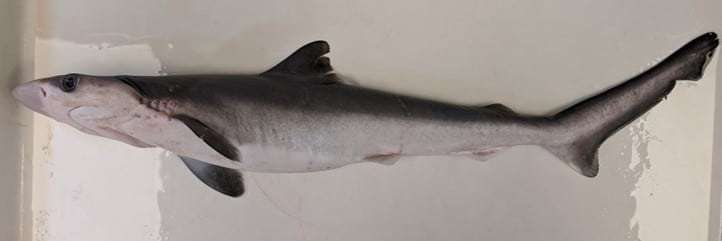
The drug concentrations detected were reportedly up to 100 times greater than previously recorded levels in other marine species, marking an unprecedented discovery of such high cocaine presence in wild sharks.
Results suggest that cocaine and related contaminants enter marine ecosystems via sewage discharge, drug trafficking waste, and improper disposal, posing a significant pollution pathway.
Consequences for Oceanic Wildlife
Finding cocaine residues in these sharks illustrates the widespread issue of pharmaceutical contaminants in oceans globally. Substances like cocaine and antibiotics often infiltrate waterways through human waste and industrial leakage. Brazil’s role as a major cocaine producer intensifies these environmental challenges. Studies of water from Santos Bay in 2017 revealed cocaine concentrations on par with caffeine, an indicator of contamination.
The effects of cocaine on marine organisms, especially top predators like sharks, remain largely unclear. Yet, evidence from other species points to detrimental impacts: zebrafish embryos exposed to cocaine show reduced cell survival and elevated DNA damage.
Additionally, European eel muscle function is altered by environmental exposure to cocaine, indicating the drug’s ability to accumulate through the food web and potentially disrupt the physiology and behaviors of predator species.
The detection of cocaine and benzoylecgonine in sharks intensifies concern for their well-being, compounded by the fact that roughly one-third of sharks and rays face extinction threats primarily due to overfishing. Chemical pollution introduces additional risks that could impede the recovery of vulnerable populations.
Call for Intervention
Study authors advocate for enhanced monitoring and educational efforts to tackle marine drug contamination. The emergence of so-called “cocaine sharks” starkly reveals the unintended consequences human drug activity imposes on ocean environments.
As highlighted by Araujo and colleagues, gaining comprehensive insights into all threats to marine ecosystems, particularly in areas burdened by illicit trafficking and pharmaceutical runoff, is vital.
This scenario stresses the necessity for improved waste treatment systems and stricter regulation to limit pollutant inflow into seas. It also underscores the need for ongoing investigation into how emerging chemical contaminants affect aquatic life, an issue often overshadowed by more conspicuous threats like plastic pollution.
The revelation of cocaine contamination in Brazilian coastal sharks presents a serious environmental problem demanding swift global and local responses to protect oceanic ecosystems and the species dependent on them.
- Categories:
- News












0 comments
Sign in to Comment