
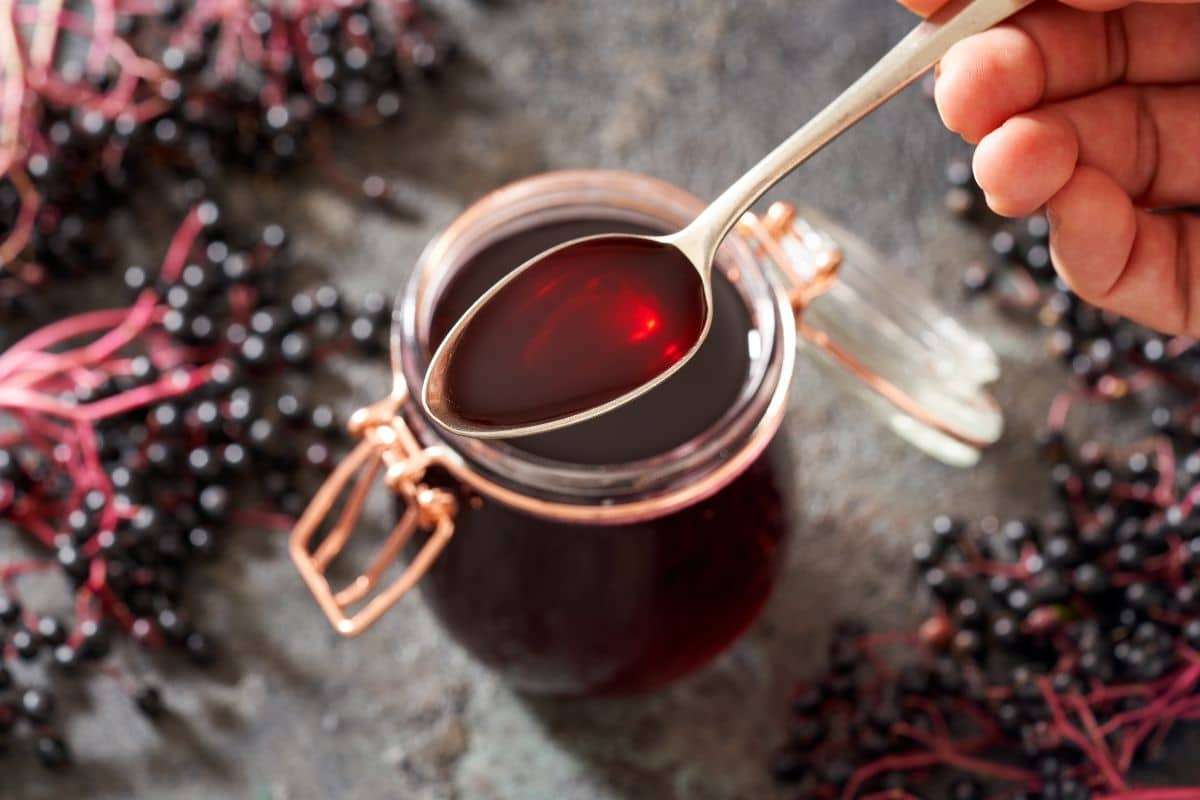
With flu season in full swing, many turn to elderberry supplements hoping to ease symptoms like congestion and sore throats. Each year, Americans face nearly 1 billion cases of the common cold, fueling a constant search for effective treatments.
Recent discussions among healthcare professionals underscore that despite elderberries’ reputation for antiviral and immune-enhancing effects, their impact on respiratory infections is still unclear.
The Growing Popularity of Elderberry Products
Elderberry has a long history in folk medicine. Nowadays, it is promoted for boosting immunity, driving a market surge for elderberry-based supplements. The Nutrition Business Journal reports that consumers spent roughly $175 million last year on elderberry capsules, syrups, and powders. Claims usually suggest these remedies shorten the duration of colds and flu or reduce symptom severity, though the scientific evidence supporting these assertions remains mixed.

Some small-scale research, occasionally sponsored by the supplement industry, points to elderberry potentially easing flu symptoms faster.
For example, one study indicated that participants taking elderberry recovered from flu symptoms about four days sooner than those on a placebo. Another study observed quicker recovery from colds among international travelers who used elderberry during their trips. Nevertheless, critics highlight that the limited sample sizes and possible conflicts of interest weaken the validity of these results.
Medical Experts Remain Cautious
Michael Macknin, professor emeritus at the Cleveland Clinic Lerner College of Medicine, once supported the idea of elderberry’s benefits. However, his findings surprised him—no clear evidence emerged that elderberry aids children or adults in emergency settings with influenza. He now recommends patients hold off on purchasing elderberry supplements until more definitive research is available.
The Food and Drug Administration (FDA) and National Institutes of Health (NIH) have echoed this skepticism. Elderberry products often claim to "support immune health," but these claims have yet to be confirmed through rigorous testing and are not FDA-approved. Until thorough clinical trials are conducted, such statements remain speculative.
Delving Into Elderberry’s Biological Effects
Elderberries contain high levels of antioxidants, such as anthocyanins, which may help reduce inflammation and contribute to cardiovascular health benefits like lowering blood pressure. While lab experiments demonstrate antiviral effects, applying these findings to human health is complicated.
As Dr. Matthew Badgett from the Cleveland Clinic notes, “What works under laboratory conditions doesn’t always translate to therapeutic effects in patients.” More extensive research is required to establish elderberry’s effectiveness for respiratory infections.
Currently, a clinical trial led by Jessie Hawkins at the Nutraceuticals Research Institute is following hundreds of participants over a 90-day period to better evaluate elderberry’s role during cold and flu seasons.
Potential Risks and Dosage Issues
For those interested in elderberry, drug safety and proper dosing are important considerations. Cooked elderberries are generally safe, but raw elderberries, stems, and leaves contain compounds that can produce cyanide, potentially leading to nausea and vomiting. Fortunately, commercial elderberry supplements typically avoid these hazards through proper processing.
Nevertheless, inconsistent labeling complicates consumer choices. Jessie Hawkins points out that many products do not standardize or clearly disclose the elderberry concentration, making it difficult to know the effective dose. This lack of uniform regulation raises concerns over both safety and product reliability.
Promoting Strong Immunity Through Proven Practices
Regardless of elderberry’s debated benefits, health authorities highlight well-established strategies for maintaining a robust immune system. Dr. Kori Flower from the University of North Carolina emphasizes focusing on basics:
- Eating a balanced, nutrient-rich diet,
- Engaging in regular physical activity,
- Getting adequate sleep each night,
- Practicing good hygiene habits.
She stresses, “For preventing infections like the cold and flu, hand-washing and immunizations are indispensable.” Parents, in particular, should prioritize these methods over unproven supplements for their children’s health.
Is Elderberry a Valuable Remedy or a Fad?
Elderberry remains a favored choice among natural remedy enthusiasts, yet the scientific community advises prudence. While preliminary research hints at benefits, evidence is not definite or broadly accepted. Consumers should critically evaluate elderberry supplements’ safety and potential advantages amid more reliable immune-boosting approaches.
Although elderberry presents an intriguing option in cold and flu treatment, it should not replace evidence-based practices such as vaccination and hygiene measures. As larger trials conclude, elderberry’s true effectiveness may become clearer. Until then, experts remind us that maintaining health largely depends on foundational habits, balanced nutrition, and trusted medical care.
- Categories:
- Health







0 comments
Sign in to Comment