
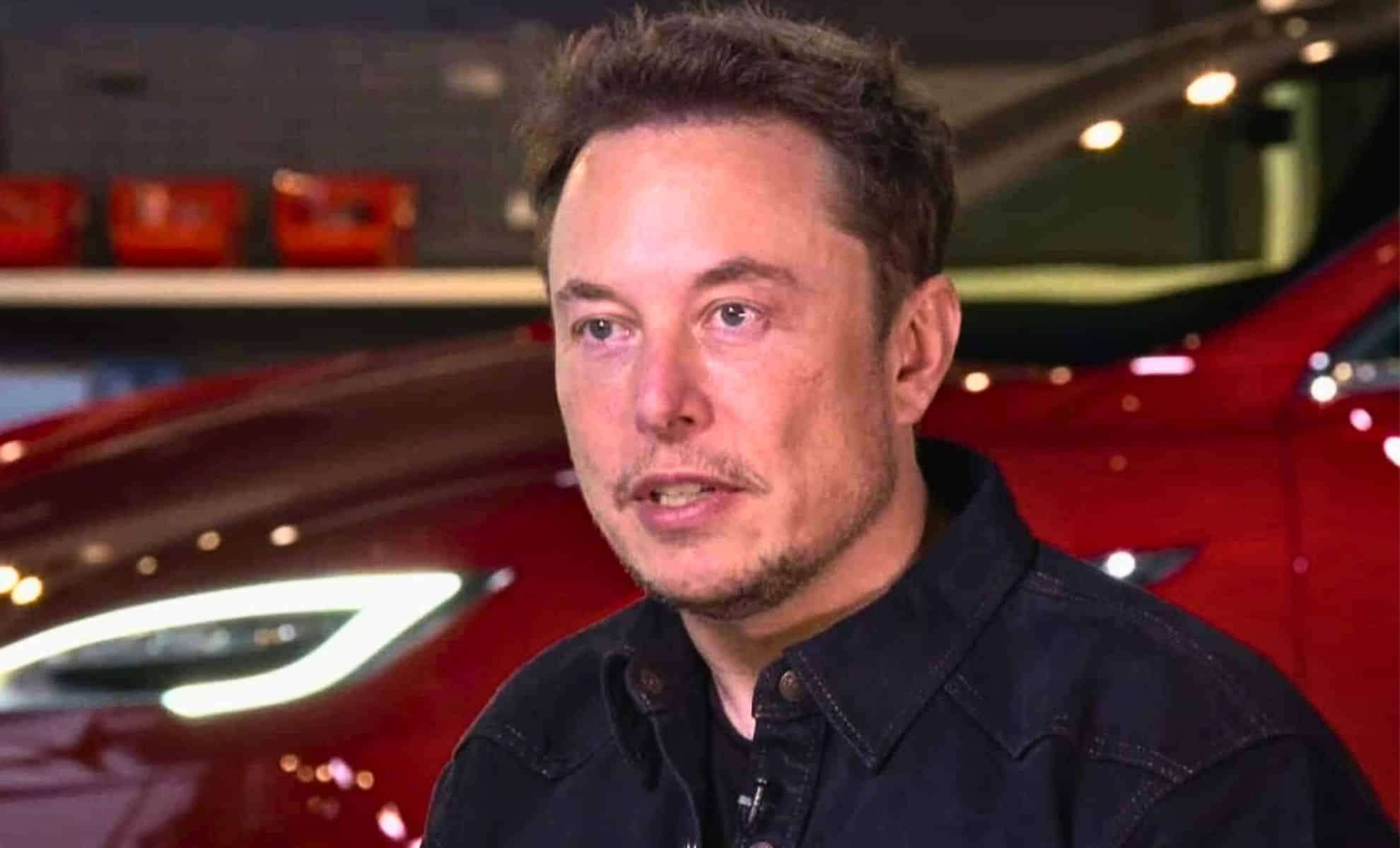
Surprising many, Tesla CEO Elon Musk has finally acknowledged a significant flaw in the company’s widely promoted Full Self-Driving (FSD) system. After almost a decade of insisting Tesla vehicles were equipped with the necessary hardware for autonomous driving, Musk revealed that cars featuring Hardware 3 will require a costly upgrade to realize full self-driving functionality.
This revelation came during a recent shareholders meeting, signaling a major retreat for the electric car leader. It also raises concerns about clear communication, buyer expectations, and the overall evolution of self-driving technology.
Unexpected Hardware Upgrade Sparks Customer Outrage
Since 2016, Tesla has marketed its cars as ready for autonomous driving with the necessary onboard hardware, encouraging consumers to purchase the FSD package priced up to $12,000 in the U.S. However, this promise is now being questioned.

In the shareholder call, Musk openly admitted that “we’re going to have to upgrade the Hardware 3 computer for people who bought Full Self-Driving,” describing this process as “painful and difficult.” The announcement quickly resulted in strong criticism from Tesla owners on forums and social media, many feeling deceived.
Tesla Agrees to Fund Hardware 4 Upgrades Amid Financial Strain
To ease customer dissatisfaction, Tesla has pledged to finance the upgrade from Hardware 3 to the latest Hardware 4 component for affected vehicles. While this approach might reduce legal risks and rebuild some trust, it adds significant cost pressures at a challenging time for Tesla.
The company is facing heightened competition, particularly from Chinese EV makers, alongside evolving market conditions. Experts estimate the expense of upgrading a large segment of Tesla’s fleet could total hundreds of millions—especially if many owners opt for the retrofit.
Tesla has encountered legal action over misleading claims before, including during the switch from Hardware 2 to Hardware 3, when it also provided no-charge upgrades to impacted customers. This scenario appears to be repeating itself.
Prolonged Delays and Uncertain Prospects Ahead
For industry watchers, this setback wasn’t entirely surprising. Tesla’s path to full autonomy has been plagued by postponements and changing deadlines. Since promising self-driving in 2016, the company has frequently pushed back launch schedules while refreshing its hardware multiple times.
Back in 2019, owners with Hardware 2 and 2.5 models were informed they needed to upgrade to Hardware 3 for compatibility with new FSD features. Now a similar pattern is unfolding with upgrades to Hardware 4, sparking questions about whether Hardware 4 vehicles will soon face similar obsolescence risks.
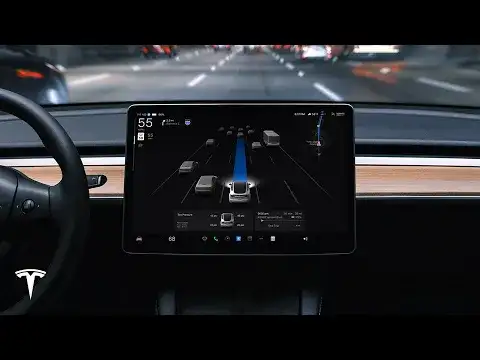
True Autonomous Driving Still a Work in Progress
Despite extensive development efforts and extensive testing, Tesla’s Full Self-Driving system remains unfinished and is not yet available for widespread use. The final build is still in the works, with no confirmed date for launch.
Meanwhile, competitors like Waymo, Cruise, and China’s XPeng are advancing rapidly, deploying driverless taxi services and pilot programs in select locations, intensifying pressure on Tesla to deliver or risk falling behind.
Early adopters of Tesla’s FSD option are caught in limbo—some hopeful, others growing frustrated. Ultimately, full self-driving technology is still a promise for the future rather than a reality today.



0 comments
Sign in to Comment