
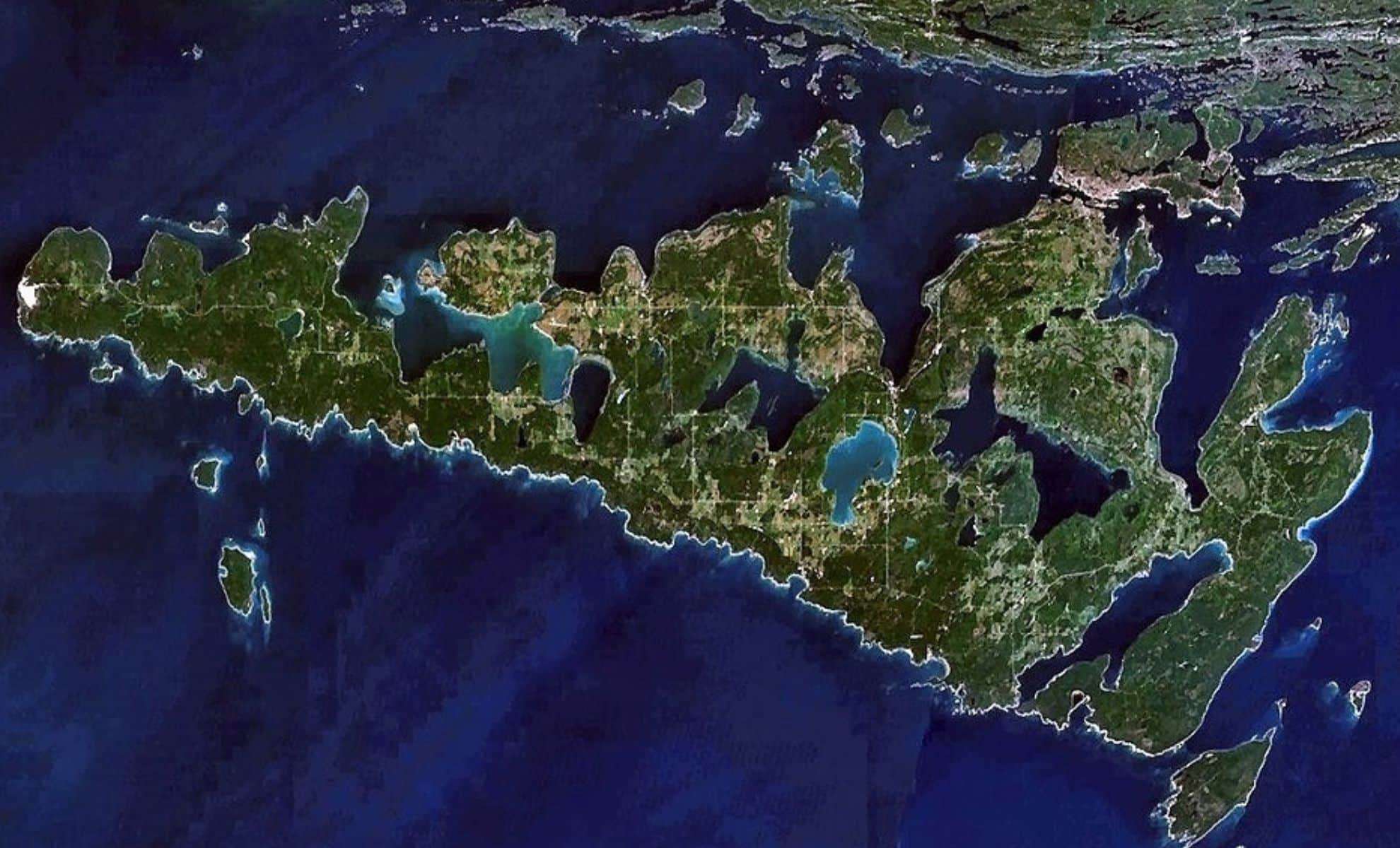
Situated in the expansive waters of Lake Huron, Manitoulin Island captivates with its extraordinary geography and rich historical significance. Famous as the largest freshwater island on the planet, this remarkable site offers much more than just impressive dimensions.
Boasting more than 100 lakes, some of which contain their own tiny islands, this stunning and secluded landform astonishes both geographers and travelers alike.
An extraordinary case of lakes and islands within islands
Spanning 2,766 square kilometers (or 1,068 square miles), Manitoulin Island surpasses the size of several nations. What truly sets it apart is its intricate system of lakes—

The largest among these, Lake Manitou, stretches over 104 square kilometers (40 square miles) and claims the title of the biggest lake positioned on an island within a lake anywhere globally. Its chilly, deep waters shelter thriving populations of lake trout along with various other species.
Another geographical marvel is Lake Mindemoya, which features Treasure Island, renowned as the largest island found in a lake sitting on an island in a lake, a perplexing phenomenon for even seasoned explorers.
The island’s original Ojibwe name, Mindimowenh, translates as “old woman,” inspired by a local myth about a grandmother who was inadvertently dropped by her grandson, the trickster Nanabozho, transforming into the landmass now emerging from the lake’s surface.
A place imbued with millennia of history
Long predating European settlers, Manitoulin Island has been sacred ground for the Anishinaabe people. Its name originates from the Ojibwe term “Manidoowaaling,” which means “cave of the spirit.”
It was considered the dwelling of Gitchi Manitou, the Great Spirit, making it a spiritual heartland with traditions that still thrive today.
The island is also a vital link to prehistoric North America. The Sheguiandah National Historic Site, uncovered in 1951, unearthed evidence of human presence going back over 9,000 years.
Archaeologists discovered quartzite tools and weapons attributed to the Paleo-Indian, Archaic, and Woodland peoples who once inhabited the area.
This finding revised historical understanding of human activity within the Great Lakes region, confirming Manitoulin as a significant gathering spot for Indigenous cultures dating to the close of the last Ice Age.

A harmonious blend of nature and heritage
Currently, Manitoulin Island stands as a vibrant place where ancient culture meets modern life. It is home to several First Nations populations, who continue to preserve their languages, artistic traditions, and rituals.
Visitors can immerse themselves in the island’s cultural soul by attending events like the Haweater Festival, which honors the island’s identity, or by visiting Indigenous-owned art spaces and cultural hubs.
Besides its cultural allure, Manitoulin Island offers abundant outdoor activities. The scenic Cup and Saucer Trail is one of Ontario’s premier hikes, providing breathtaking panoramic views from towering cliffs. Its waters are perfect for fishing, kayaking, and boating.
Wildlife is abundant, with bald eagles soaring overhead and black bears roaming the forests—elements that contribute to the island’s pristine wilderness.
A unique destination with unparalleled charm
Manitoulin Island stands as an extraordinary realm where geographical wonders, folklore, and ancient heritage intersect.
Whether intrigued by its complex nested lakes, fascinated by its lengthy human history, or drawn to its vibrant Indigenous culture, visitors quickly discover that Manitoulin is truly a world unlike any other.






0 comments
Sign in to Comment