
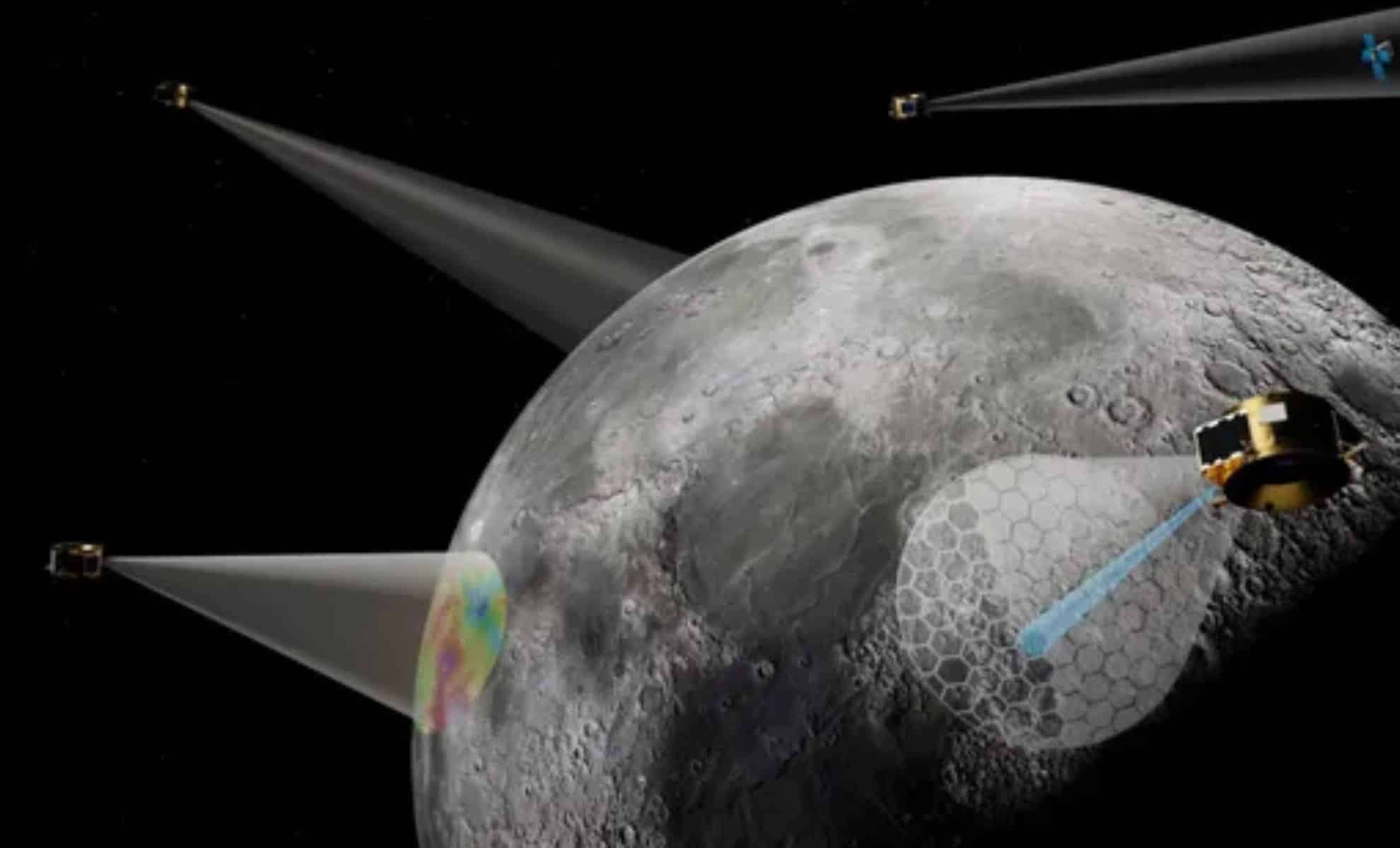
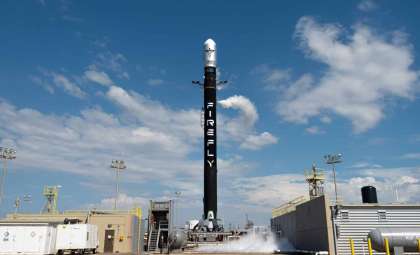
Firefly Aerospace, based in Texas, is preparing to launch Ocula, an innovative lunar imaging system designed to revolutionize the way we observe the moon. Scheduled for deployment as early as 2026, this service will utilize Firefly’s Elytra spacecraft to capture incredibly detailed images of the moon’s surface from orbit. Partnering with the Lawrence Livermore National Laboratory (LLNL), these advanced telescopes aim to unveil lunar features with remarkable clarity, aiding both forthcoming human and robotic missions to the moon and even future Mars explorations.
With the growing demand for accurate lunar data supporting sustainable space exploration, Ocula addresses a critical need. Beyond scientific discovery, it supports national security through enhanced intelligence, surveillance, and reconnaissance. Firefly CEO Jason Kim emphasized that the service “will provide critical data that informs future human and robotic missions and supports national security with intelligence, surveillance, and reconnaissance.” Industry experts anticipate this project could significantly shape lunar mission planning and broader planetary research, as discussed in a recent Space.com report.
Transforming the Future of Lunar Exploration with Ocula
The Ocula service is set to become a cornerstone in lunar research and exploration. Operating via a network of Elytra satellites orbiting the moon, it will supply ultra-high-resolution images, capable of capturing details as small as 8 inches (20 cm) from an altitude near 31 miles (50 km). This precision is vital for choosing optimal landing zones for both robotic explorers and astronauts. Firefly’s CEO Jason Kim reiterated, “Ocula will provide critical data that informs future human and robotic missions and supports national security with intelligence, surveillance, and reconnaissance.”

Rich with resources and scientific value, the lunar surface continues to attract worldwide interest. The Elytra spacecraft, equipped with sophisticated telescopes developed by LLNL, also operate across ultraviolet and visible wavelengths. These enhanced capabilities will allow detection of fine surface textures and features, opening new doors for resource mapping and scientific inquiry.
Helium-3 Mapping: A Key Objective of Ocula
A major ambition behind Ocula is to identify clusters of minerals like ilmenite, which serve as markers for the presence of helium-3. This isotope, believed to be abundant on the moon, is a promising candidate for fueling next-generation nuclear fusion reactors. By detecting helium-3 deposits, Firefly’s Ocula could contribute to future energy innovations crucial for humanity. According to Firefly representatives, “With ultraviolet and visible spectrum capabilities, the telescopes are designed to support situational awareness of other objects in cislunar space, enable fine-grained lunar surface details and identify concentrations of ilmenite, which indicates the presence of helium-3.”
The focus on helium-3 reflects Ocula’s long-term strategy to support lunar resource utilization, aligning with global efforts to develop sustainable and clean energy solutions sourced beyond Earth.
Enhancing the Safety and Success of Lunar Missions
Ocula’s detailed imaging will also play a critical role in preparing for upcoming crewed and robotic lunar missions. Data from Elytra will offer precise insights into lunar terrain, surface conditions, and potential hazards, helping mission planners select safe, scientifically valuable landing sites. Integrating Ocula into lunar mission infrastructures promises to boost operational safety and increase mission effectiveness.
Firefly Aerospace plans to expand the number of Elytra satellites in lunar orbit, increasing revisit frequency and extending surface coverage. “Firefly will expand its constellation of Elytra vehicles in lunar orbit to further enhance the Ocula service and enable faster revisit times for situational awareness, resource detection and mission planning,” the company revealed.
Beyond lunar applications, Firefly envisions adapting Ocula’s imaging technologies for Mars and other planets, fostering an integrated and scalable planetary observation platform starting with lunar orbit.
- Categories:
- News






0 comments
Sign in to Comment