
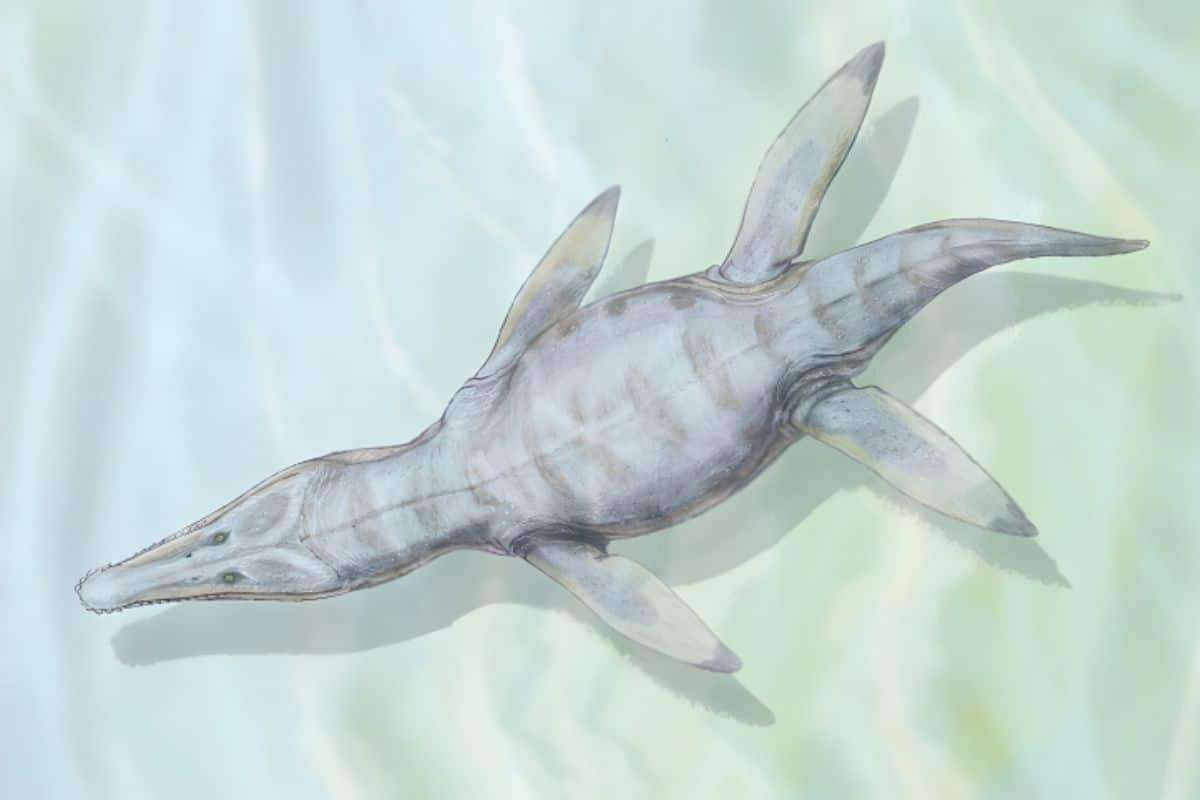
About 130 million years ago in the early Cretaceous Period, the oceans teemed with diverse life forms, including colossal marine hunters. These giant beasts, some surpassing modern top predators like orcas and great white sharks in size, thrived in a complex web of competition where survival relied on both strength and flexibility.
The Paja Formation: An Ancient Marine Habitat
During this era, the fragmentation of the supercontinent Pangaea combined with a warm climate triggered rising sea levels, giving rise to expansive shallow seas such as the Paja Formation. This dynamic ecosystem housed numerous marine reptiles, including dolphin-like ichthyosaurs, crocodile-esque teleosaurs, and massive pliosaurs, the latter boasting enormous bodies over 10 meters in length and formidable jaws.
Contemporary marine ecosystems typically reach a maximum of five or six trophic levels, where apex predators like orcas and sperm whales dominate. However, the Paja Formation supported predators feeding at even higher trophic positions, preying upon other carnivores at the pinnacle of the food chain.

Piecing Together an Ancient Ecosystem
Researchers reconstructed the Paja Formation's complex food web by analyzing fossil evidence, focusing on factors such as body size, dietary adaptations, and species interactions. They also incorporated contemporary marine ecosystem models, notably from the Caribbean, to fill gaps and validate their findings.
This work, published in the Zoological Journal of the Linnean Society, highlights how exploring extinct ecosystems enriches our understanding of biodiversity evolution.
Unveiling the Rare Seventh Trophic Tier
Food chains categorize energy transfer from producers like algae (level one) through herbivores and increasingly complex predator levels. Modern marine systems rarely exceed six tiers due to energy loss at each step. Remarkably, the Paja ecosystem appears to have supported a seventh trophic layer, reflecting extraordinary ecological capacity.
At this apex, pliosaurs and other gigantic hunters preyed on carnivorous marine reptiles, marking them as top predators in an exceptionally intricate food network. The presence of such high-level predators signals that the environment sustained abundant populations across all levels, from small prey to dominant carnivores.
What Fueled This Biodiversity Explosion?
The study attributes the rich biodiversity of the Paja Formation to factors like the warm climate and geographic shifts of the Cretaceous. The breakup of Pangaea created isolated habitats that encouraged new species to emerge, while warm seas fostered rapid growth and plentiful life. These conditions allowed large predators to flourish.
Survival demanded that animals continually adapt through specialized feeding methods, size advantages, or refined hunting tactics. Such evolutionary pressures shaped organisms capable of thriving amid intense competition and ample resources.
Implications for Modern Marine Science
While the Paja Formation offers a window into a distant past, its insights resonate today. Investigating ancient ecosystems sheds light on biodiversity dynamics over time. Findings from the Paja ecosystem underscore how factors like competition, climate change, and habitat structure influence food web complexity, providing lessons relevant for contemporary environmental challenges.
Could today’s marine environments ever regain such complexity? Has human impact irrevocably altered biodiversity’s course? These questions are central to ongoing research using ancient ecosystems as a guide.
Looking Ahead: Exploring the Full Spectrum of Ancient Life
The team investigating the Paja Formation emphasizes that their findings mark the start of a broader inquiry into prehistoric ecosystems. Despite progress in charting the Paja food web, many lesser-known species such as fish and ammonites, which played crucial roles in lower trophic levels, remain understudied.
Future studies aim to deepen our understanding of these interactions, providing a more comprehensive view of how this ancient ecosystem operated in its entirety.
- Categories:
- Science







0 comments
Sign in to Comment