
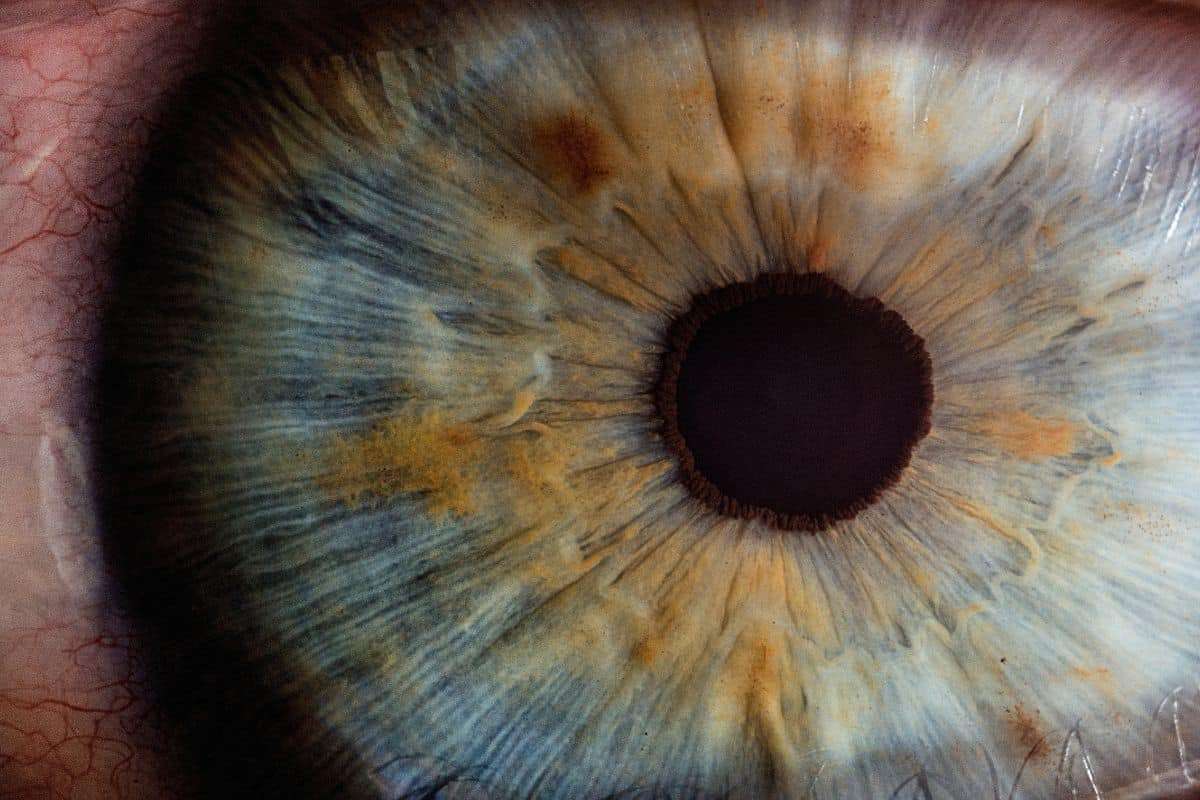
It’s often said that the eyes are a mirror to our inner world, and recent studies reveal an intriguing connection between our pupil size and breathing rhythms. Researchers from the Karolinska Institute in Sweden and the University of Groningen in the Netherlands have uncovered that pupil diameter changes in harmony with our breathing patterns, linking vision and physiological processes more closely than previously known.
Established Causes Behind Pupil Size Variation
For decades, scientists have examined pupil responses as indicators of attention, emotional states, and health conditions. Three primary influences on pupil size have long been recognized: ambient light levels, mental focus and cognitive load, and emotional intensity.
German scientist Irene Loewenfeld famously remarked: “Man may either blush or turn pale when emotionally agitated, but his pupils always dilate.”

These reliable pupil dynamics are widely utilized in fields such as psychology, neuroscience, and clinical diagnostics. For example, a lack of pupil responsiveness to light can indicate critical neurological issues like a stroke.
The Newly Identified Phenomenon: Pupillary Respiratory Phase Response
New findings introduce a fourth influence on pupil size: the breathing cycle. Researchers have named this effect the pupillary respiratory phase response, noting that pupils typically reach their largest size during exhalation and contract at the beginning of inhalation.
“Our findings imply that vision might be fine-tuned throughout the breathing cycle—enhancing detailed perception during inhalation and improving faint object detection during exhalation,” explained Martin Schaefer, postdoctoral researcher.
This reaction is generated internally, without external sensory triggers. The researchers revisited earlier studies and uncovered suggestive evidence dating back over five decades, although prior findings were inconclusive.
Subjects were instructed to alter their breathing patterns—switching between nasal and oral breathing, as well as changing their breath rate. The consistent pattern remained: pupils smallest near the onset of inhalation and largest during exhalation.
Potential Breakthrough in Neurological Assessments
Pupil reactions have long been a tool for evaluating brain function, with absent light response often signaling urgent neurological problems like strokes or injuries.
This new insight raises the possibility that disturbances in the synchrony between breathing and pupil size could serve as an early warning sign for neurological diseases. Disorders such as Parkinson’s, Alzheimer’s, and anxiety may interfere with this breathing-pupil connection.
Future Directions
Confirming the link between breath and pupil size opens avenues for further exploration. Upcoming research might test whether conscious control of breathing can boost concentration or visual sharpness, suggesting novel methods to enhance cognitive abilities.
Investigation could also expand into other internal rhythms—like heartbeats or blood circulation—and their potential impacts on pupil behavior, illuminating the intricate dialogue between body and brain.
This discovery emphasizes how intimately our physiology shapes perception and awareness, demonstrating that every breath we take contributes to how we engage with the world.
- Categories:
- Science

















0 comments
Sign in to Comment