

New scientific findings highlight a crucial element impacting medication effectiveness and safety: skin pigmentation, determined by melanin concentration, can modify how drugs interact within the body. This discovery exposes shortcomings in current pharmaceutical development and stresses the importance of inclusive research methodologies for fair medical treatment across all demographics.
Melanin’s Influence on Drug Behavior
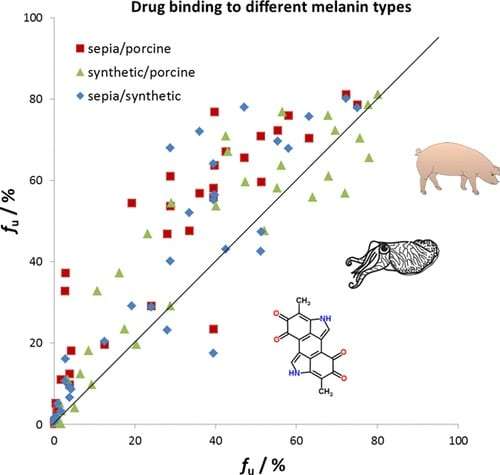
Melanin—the pigment that gives color to skin, hair, and eyes—has the ability to bind with certain compounds, affecting drug absorption and metabolism. Research indicates that compounds like nicotine attach to melanin, decreasing their bioavailability in individuals with darker skin tones. This mechanism can influence addiction patterns, since nicotine held in melanin-rich cells may lessen its impact on the brain, potentially causing users to increase consumption.
Melanin also interacts with harmful substances such as pesticides, which tend to accumulate more in darker skin. This raises questions about the universality of existing exposure safety guidelines, emphasizing the need to reconsider safe exposure limits.

Although the impact of melanin on drug uptake was noted as early as the 1960s, it has largely been overlooked. Sophie Zaaijer explains, “The interaction between melanin and certain medications was identified decades ago,” but this understanding is yet to be incorporated into modern pharmacological testing. Standard dosage guidelines typically assume consistent drug absorption, neglecting how melanin might sequester pharmaceuticals and reduce their effectiveness in target tissues.
Innovative Techniques Enhancing Drug Evaluation
Recent breakthroughs in cellular biology and bioengineering are helping to bridge this research gap. Three-dimensional cell cultures that replicate different skin pigmentation levels enable scientists to observe how drugs interact with melanin ahead of clinical studies. Additionally, organ-on-chip technologies—which integrate various cell types like skin and liver cells—recreate complex bodily environments, allowing for detailed monitoring of drug behavior in diverse biological contexts.
These platforms can, for example, track a drug’s binding to melanin in skin cells while simultaneously assessing metabolism by liver enzymes. This approach offers valuable predictions for drug responses across varied populations, substantially improving preclinical research accuracy. As Zaaijer remarks, “This is an incredibly exciting era, as advances in cell biology are accelerating rapidly.”
Nonetheless, broader implementation hinges on regulatory endorsement. Pharmaceutical companies generally focus on minimizing costs, and without firm guidance from authorities such as the FDA, adopting pigmentation-inclusive models may proceed slowly. Zaaijer advocates for new regulatory policies that require transparency about the ethnic origins of cellular models, stating, “The FDA could mandate that studies disclose whether cell models derive from European or African ancestries.”
Enhancing Diversity in Clinical Trials
Insufficient clinical trial diversity is a substantial obstacle. Historically, most participants have been of European heritage, limiting the relevance of results for wider populations. Simon Groen points out the distrust some communities, particularly African Americans, harbor towards large pharmaceutical companies, highlighting the need for greater inclusivity in drug evaluation.
In response, initiatives like the Food and Drug Omnibus Reform Act of 2022 require drug developers to create Diversity Action Plans that promote enrollment across various racial, ethnic, and skin color groups. Prospective patients are also urged to inquire about whether medications have been tested across multiple ancestral backgrounds during preclinical trials.
Access issues remain a concern, as clinical trials may be geographically or financially inaccessible to some minority populations. Addressing this requires practical support such as establishing local study centers and compensating participants for their time and travel expenses.
Promoting Transparency and Building Patient Confidence
Open data-sharing practices are essential to fostering trust and ensuring inclusion. Scientists should disclose the ancestry of cell models, participant demographics, and findings related to melanin during recruitment. Groen suggests that sharing representative preclinical evidence with minority groups can reduce concerns about potential biases or adverse effects, thereby encouraging participation.
Jakub Hlávka, an expert in health policy, stresses that representation is crucial for reliable clinical results: “While representation remains a pressing issue in trials, there is even less understanding concerning skin pigmentation, which may influence the bioavailability of medications.”
- Categories:
- Health













0 comments
Sign in to Comment