

When capsules blaze through Earth's atmosphere under extreme heat, their reentries often go unnoticed beyond launch day. However, a recent breakthrough in thermal protection may transform space from a mere exploration site into a thriving industrial platform. NASA’s latest heat shield technology is enabling private enterprises to safely return valuable materials, experiments, and fabricated goods from orbit, expanding the role of space in global commerce.
Transitioning NASA Innovations to Private Spaceflight
Originating at the NASA Ames Research Center, the advanced C-PICA heat shield material reflects decades of work on thermal protection systems. Initially intended for challenging planetary missions, this flexible ablative shield has now been adopted by commercial companies. The first complete in-house use was achieved by Varda Space Industries, proving that private firms can design and certify advanced heat shields independently of government hardware.
This signifies a pivotal change in how NASA’s technologies enter the commercial market. Rather than solely supporting flagship missions, these innovations are being tailored for reusable capsules capable of returning delicate cargo to Earth. Greg Stover, associate administrator for NASA’s Space Technology Mission Directorate, explained the larger implications.

“Heat shields allow us to bring the benefits of work done in space, including medical research, technology development, and scientific discovery, down to Earth to improve our everyday lives.”
He also noted that licensing this technology fosters the growth of independent manufacturing by companies, strengthening the broader space industry chain.
The Critical Role of Heat Shields in Orbital Manufacturing
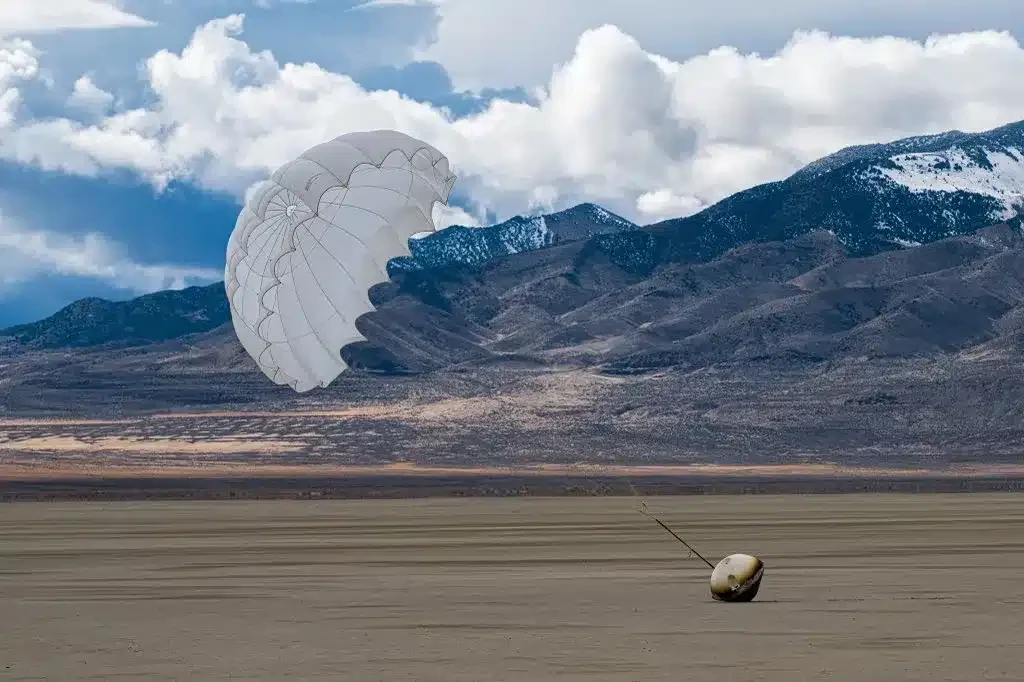
Varda’s successful W-series capsule reentry highlights thermal protection as a crucial technology for producing goods in space. Many developing sectors rely on microgravity to create products and medicines that Earth conditions cannot replicate. Ensuring safe and reliable returns to the surface is an indispensable final step.
NASA’s report elaborates on how C-PICA balances durability, efficiency, and cost unlike traditional shields. Its simplified manufacturing process combined with exceptional heat resistance lowers entry barriers for startups aiming to break into reentry services. This innovation facilitates new economic opportunities where orbital experiments result in tangible products delivered back to Earth.
Fostering Growth Through Partnership
This breakthrough stems from NASA’s intentional collaboration with private industry. Initiatives like Flight Opportunities and Tipping Point provide licensing along with engineering support, validation, and data sharing. These programs accelerate private companies’ development timelines that might otherwise span years.
Danielle McCulloch, executive for NASA’s Flight Opportunities program, highlighted the broader impact of this cooperation.
“This flight shows what’s possible when NASA and our commercial partners collaborate closely to invest in learning together,” she said. “Not only does it advance the U.S. space industry, but it also takes other industries — like pharmaceuticals — to the next level, with benefits that ripple out across society.”
Her comments underline how heat shield technology now serves as a nexus connecting aerospace, medicine, and cutting-edge manufacturing.
Broad Sector Impact and Future Outlook
While Varda was the pioneer in licensing C-PICA, NASA has extended access to this patented material to numerous commercial entities, signaling its readiness for broader industry application. As adoption grows, standard heat shield components may become as routine as common propulsion systems in launch vehicles.
Such expansion supports an era where returning cargo from orbit will be standard practice, not an exceptional event. In this context, heat shields evolve from mission-specific parts to vital industrial assets. NASA’s dual role in providing both the technology and manufacturing expertise ensures ongoing innovation thrives alongside the stringent safety requirements born from decades of flight experience.
- Categories:
- Nasa







0 comments
Sign in to Comment