
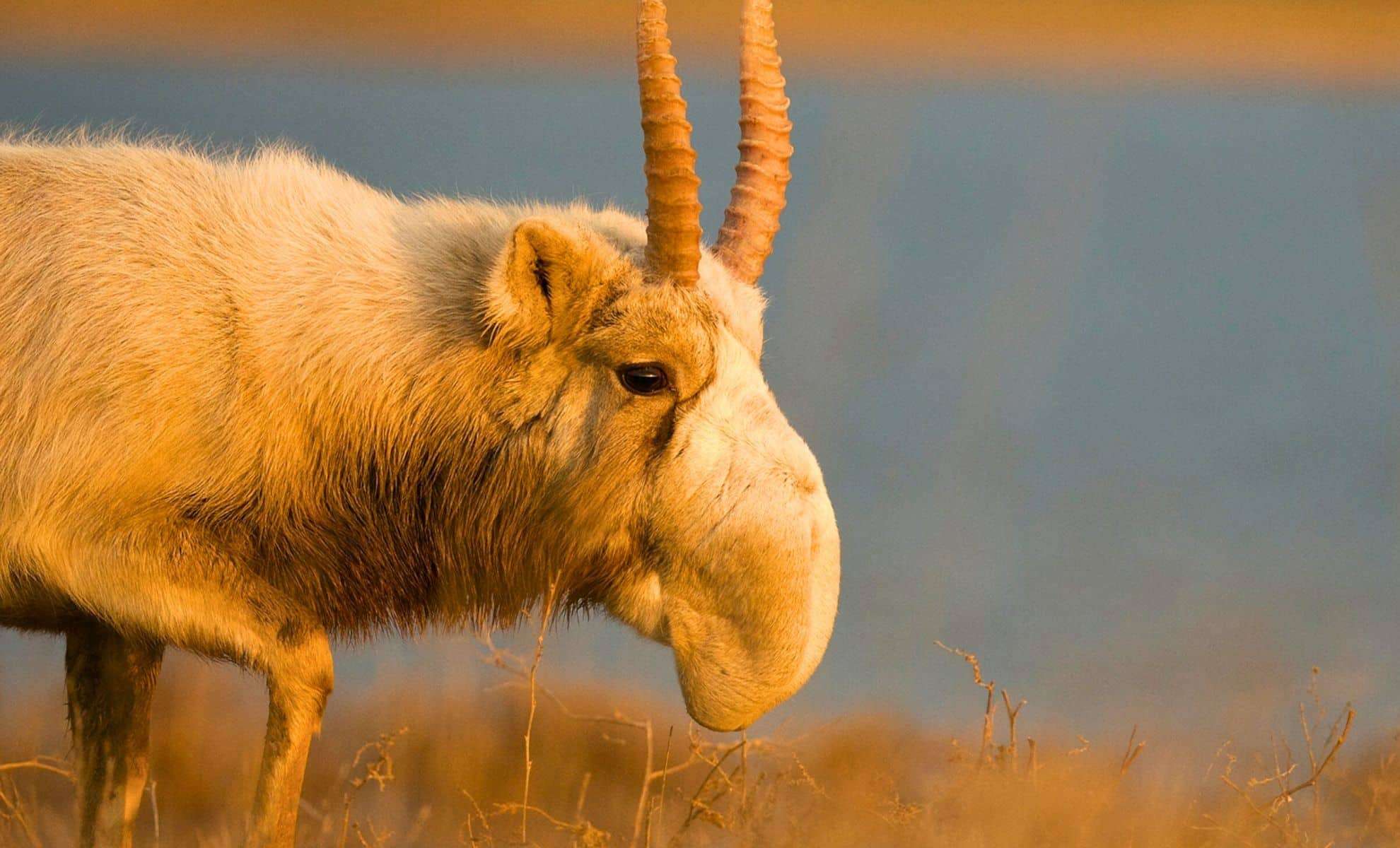
The Altyn Dala Conservation Initiative in Kazakhstan has been awarded the prestigious 2024 Earthshot Prize for its outstanding success in ecological restoration. This large-scale project has revitalized the region’s environment and played a crucial role in rescuing the endangered saiga antelope. In just twenty years, saiga populations surged from a critically low 40,000 to an extraordinary 2.8 million, marking one of conservation’s most remarkable mammal recoveries.
Reviving Kazakhstan’s Natural Heritage
Covering an area of 75 million hectares, the Altyn Dala Conservation Initiative is a vast conservation project coordinated by the Royal Society for the Protection of Birds (RSPB) alongside a network of regional and global partners. This work has restored critical grasslands, wetlands, and desert landscapes, providing essential habitats for numerous species.
Recognizable by their iconic, flexible noses, the saiga antelope serve as a keystone species within these ecosystems. Their recovery has also benefited other native wildlife, including the steppe eagle, sociable lapwings, and the Przewalski’s horse. This restoration effort highlights how reviving one species can ripple through and bolster entire ecosystems.

- Major successes of the Altyn Dala Conservation Initiative:
- Rehabilitation of 75 million hectares of vital habitats
- Boost in saiga antelope numbers from 40,000 to 2.8 million
- Conservation of ecosystems supporting numerous endangered animals
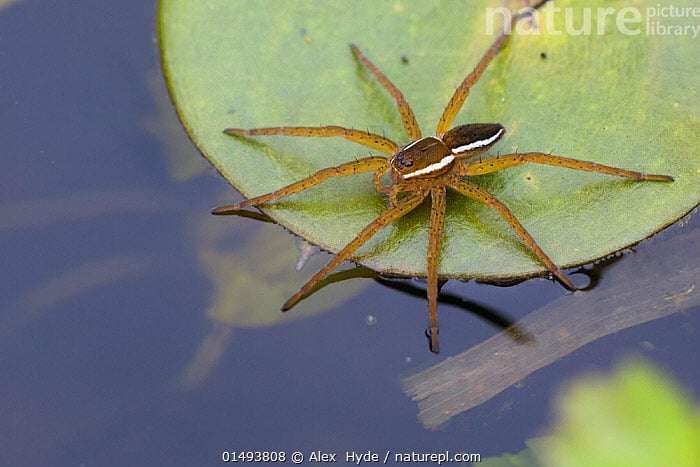
Renewed Hope for the Fen Raft Spider
Across the United Kingdom, the fen raft spider, one of the nation’s rarest and largest spiders, has flourished thanks to targeted conservation programs. In 2012, these semi-aquatic spiders were reintroduced into restored habitats, including RSPB Mid Yare within the Norfolk Broads. Through careful management of grazing marshes and other habitat improvements, the population now includes around 3,750 female spiders, marking a considerable achievement for this wetland-dependent species.
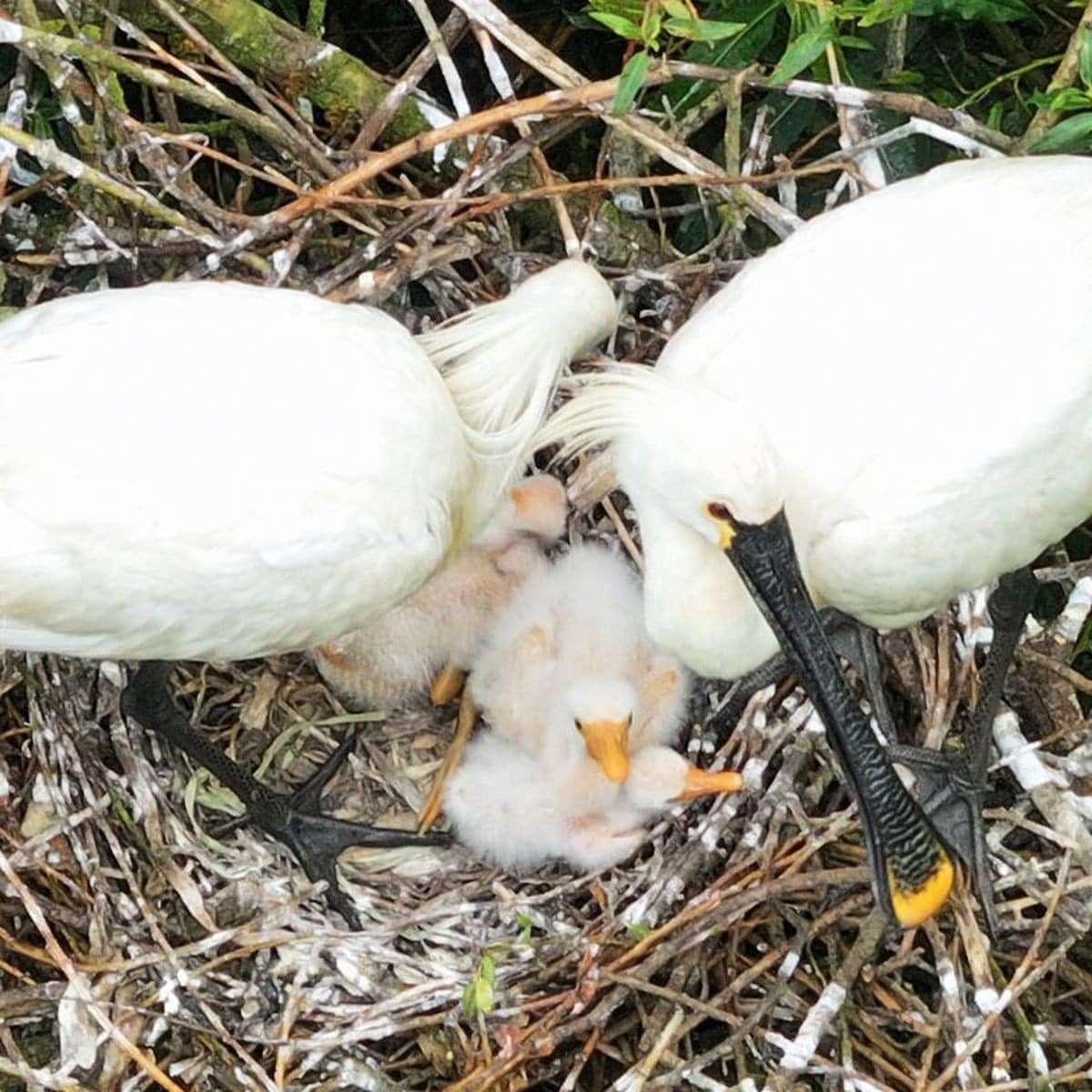
Spoonbills Make Historic Return to Cambridgeshire
The reappearance of spoonbills in Cambridgeshire after an absence of more than 300 years symbolizes the success of wetland restoration efforts. These striking white birds, known for their distinctive spoon-shaped beaks, were once nearly wiped out in the region due to loss of habitat and hunting pressures.
In 2024, conservationists celebrated the fledging of 35 spoonbill chicks at RSPB Havergate Island, signaling a promising rebound. This positive trend results from consistent habitat recovery and protective actions that have made Cambridgeshire’s wetlands welcoming habitats again.
Innovative Measures Protect Rare Birds on Nightingale Island
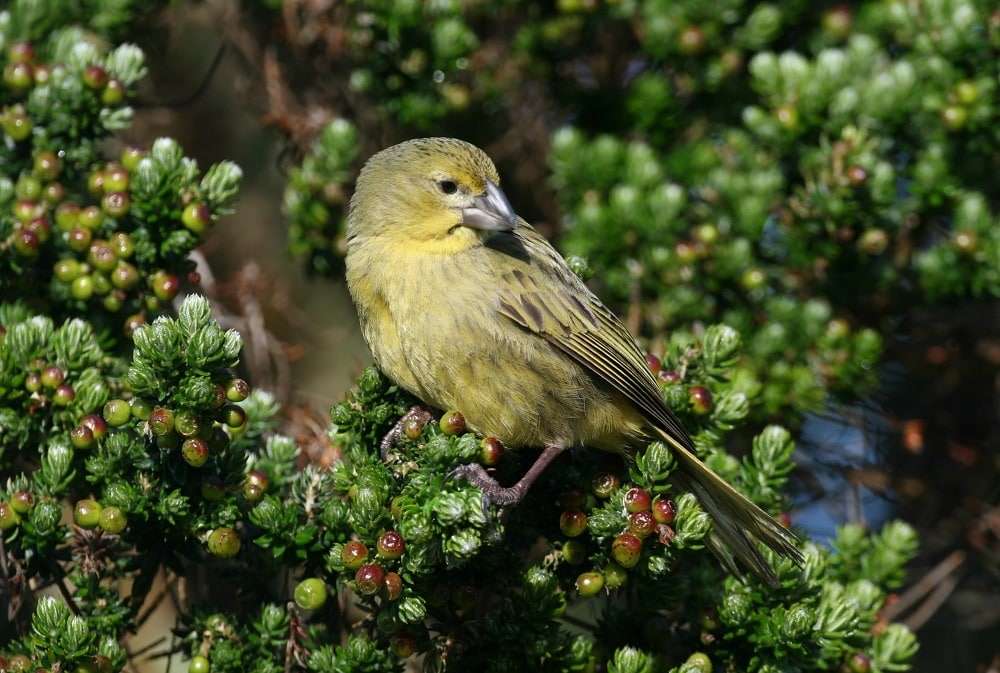
On the isolated Nightingale Island in the Tristan da Cunha group of islands in the South Atlantic, a novel conservation approach saved the Wilkins’ bunting finch from extinction. Introducing tiny parasitoid wasps, Microterys nietneri, helped control invasive insect species damaging the bird’s sole food supply.
Although only 10% of the wasps survived the arduous 10,000-kilometer transport from London, they established a viable population, promoting forest recovery and enabling the finch numbers to expand. Experts currently estimate there are 60 to 90 breeding pairs, with further growth anticipated.
Sandeel Fishery Closures Boost Seabird Populations
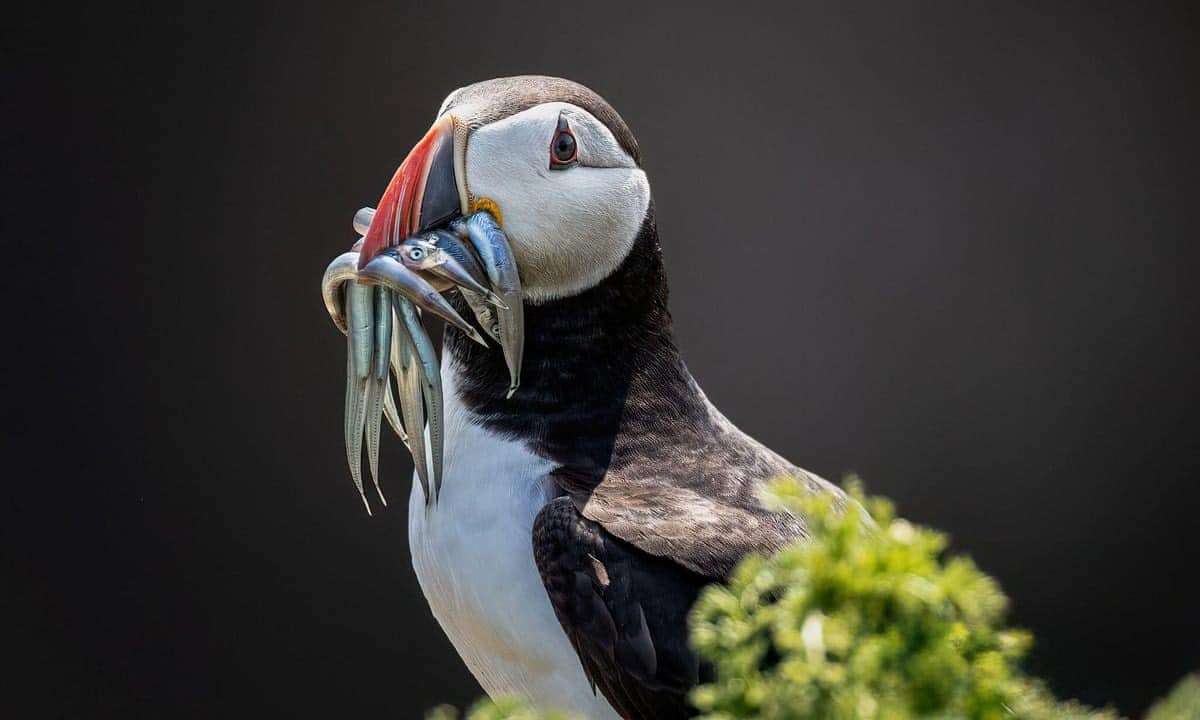
The 2024 shutdown of industrial sandeel fisheries marked a key milestone in protecting seabirds. Species like puffins and kittiwakes depend heavily on sandeels, and overfishing had led to troubling population declines. After nearly 30 years of RSPB advocacy, imposing these fishing restrictions is already yielding promising increases in seabird numbers.
Nevertheless, this fishery closure faces opposition, including legal challenges from the EU Commission. Conservationists, led by the RSPB, persist in their efforts to safeguard these crucial steps for marine wildlife and the overall health of ocean ecosystems.
Collective Conservation Achievements Across Continents
From Kazakhstan’s expansive steppes to the UK’s wetlands and remote South Atlantic islands, these stories of recovery illustrate the extraordinary outcomes possible through focused conservation initiatives. Protecting and restoring natural habitats not only saves individual species but also strengthens entire ecosystems.
Such successes demonstrate how dedicated efforts to nurture nature can produce far-reaching benefits, offering optimistic prospects for a world where wildlife and humans coexist sustainably.







0 comments
Sign in to Comment