

Meta is rapidly advancing toward a future where smartphones no longer dominate our digital experiences. Led by CEO Mark Zuckerberg, the company is pioneering next-generation augmented reality (AR) glasses and devices that could redefine how we interact with technology daily.
Enhanced Smart Glasses Expand Functionality and Immersion
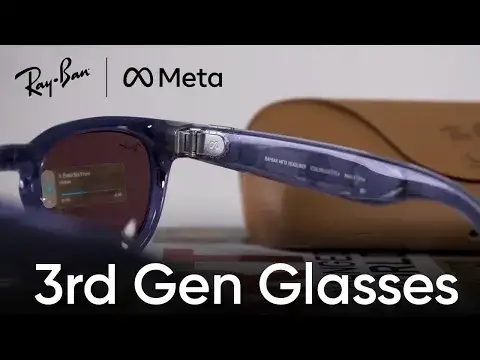
Moving far beyond upgrades to the Ray-Ban Stories, Meta is working on two innovative glasses projects—Supernova and Hypernova—which cater to different user needs and activity levels.
Launching later this year, the Supernova 2 targets outdoor enthusiasts like cyclists and athletes. Inspired by Oakley’s Sphaera, this model includes AI-powered smart features such as hands-free access via integrated speakers and a camera, replacing the need to constantly use a phone.

The more sophisticated Hypernova glasses showcase a compact display embedded in the right lens, offering glanceable messages, notifications, and photo previews. Though not fully equipped with AR yet, Hypernova edges closer to delivering an interactive visual interface.
With an expected price tag near $1,000, Hypernova aims at users looking for a robust and versatile wearable experience beyond entry-level gadgets.
Advancing Toward Fully Immersive Augmented Reality
Alongside Supernova and Hypernova, Meta is developing cutting-edge systems that promise a radical shift in digital engagement. Central to this vision are two ambitious initiatives—Orion and Artemis.
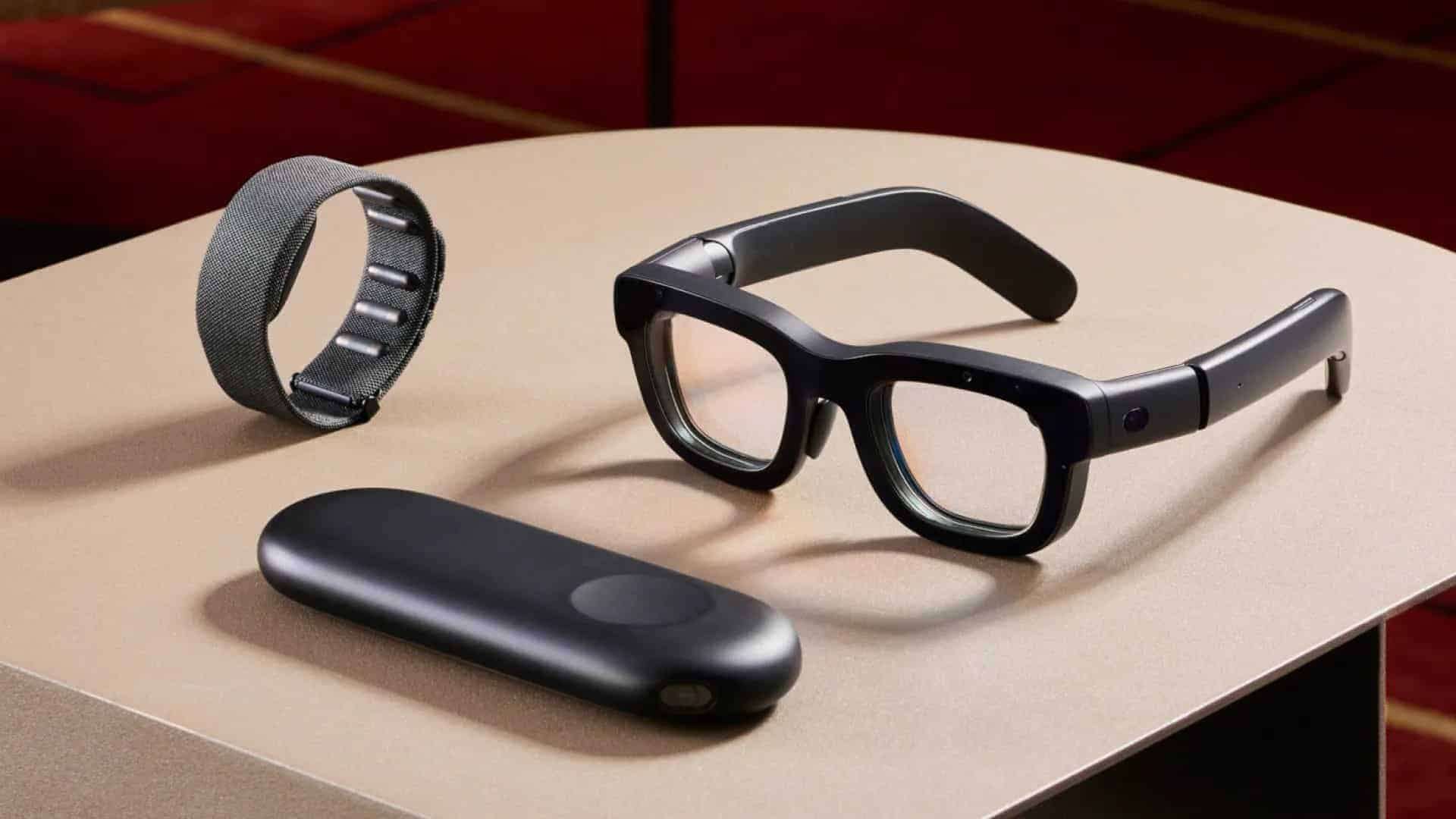
The Orion prototype, unveiled last year, marks Meta’s initial venture into genuinely immersive AR. This device pairs smart glasses with a wristband that captures muscle signals, plus a separate compute unit to handle complex processing tasks.

This setup supports intricate gesture-based controls and dynamic virtual interactions. With a price close to $10,000, Orion primarily targets developers and early adopters, with its official release slated for 2026.
Planned for 2027, Artemis will succeed Orion by offering a lighter, more integrated design that maintains advanced input technologies like the smart wristband. It’s intended to make AR comfortable and practical for everyday consumers.
Creating an Interconnected Network of Smart Wearables
Meta’s ambitions extend beyond glasses to build a cohesive network of intelligent wearable tech that enhances the user’s digital ecosystem. One innovation under development is wireless earbuds equipped with integrated cameras.
These earbuds will harness artificial intelligence to analyze environmental context in real time, offering deeper immersion and personalized experiences. A smartwatch is also in progress, though its development has faced several challenges. Once finalized, it may unify Meta’s wearable devices into a fluid, interactive system.
Despite Meta’s vision being highly ambitious, widespread adoption hinges on consumer willingness to replace trusted smartphones with new, unfamiliar devices. Factors like price, practicality, and ingrained habits will crucially influence this transition’s success.

















0 comments
Sign in to Comment