
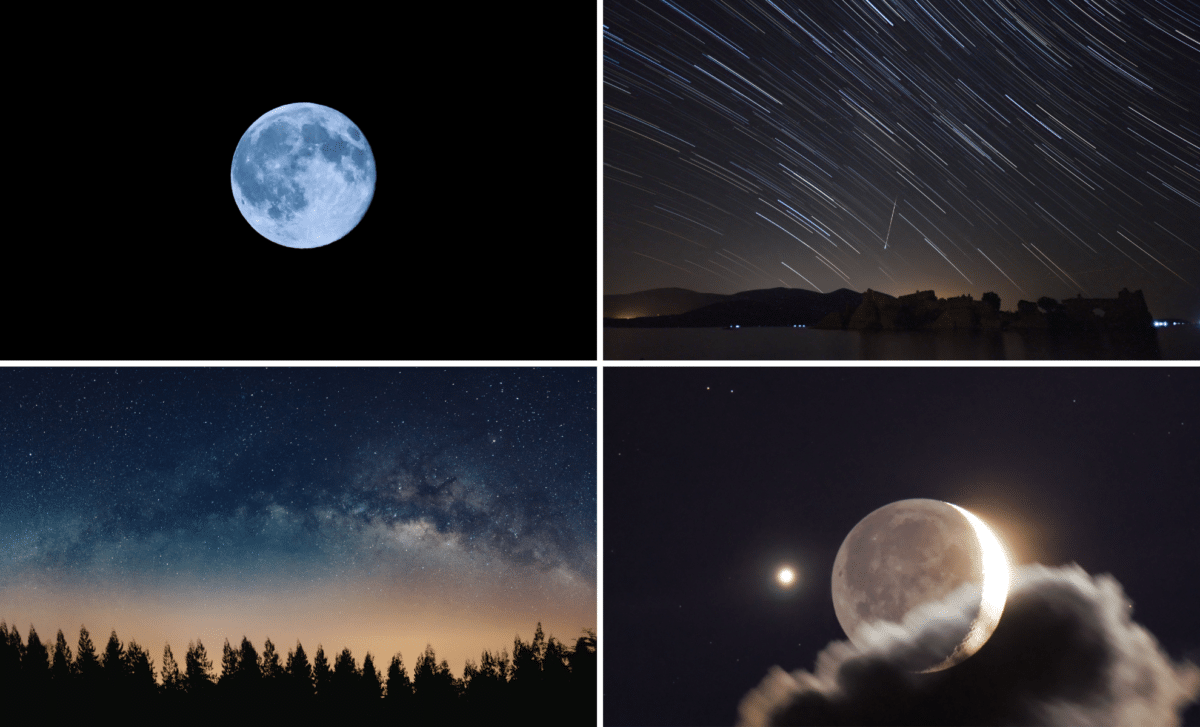
This May, stargazers will be treated to an extraordinary blend of lunar phenomena, planetary gatherings, and prime conditions for deep-sky observation. From witnessing a rare blue moon to tracking meteor showers and savoring extended views of the Milky Way’s core, the month promises captivating experiences for both amateur and expert sky watchers.
Distinct Lunar Events Define the Month’s Timeline
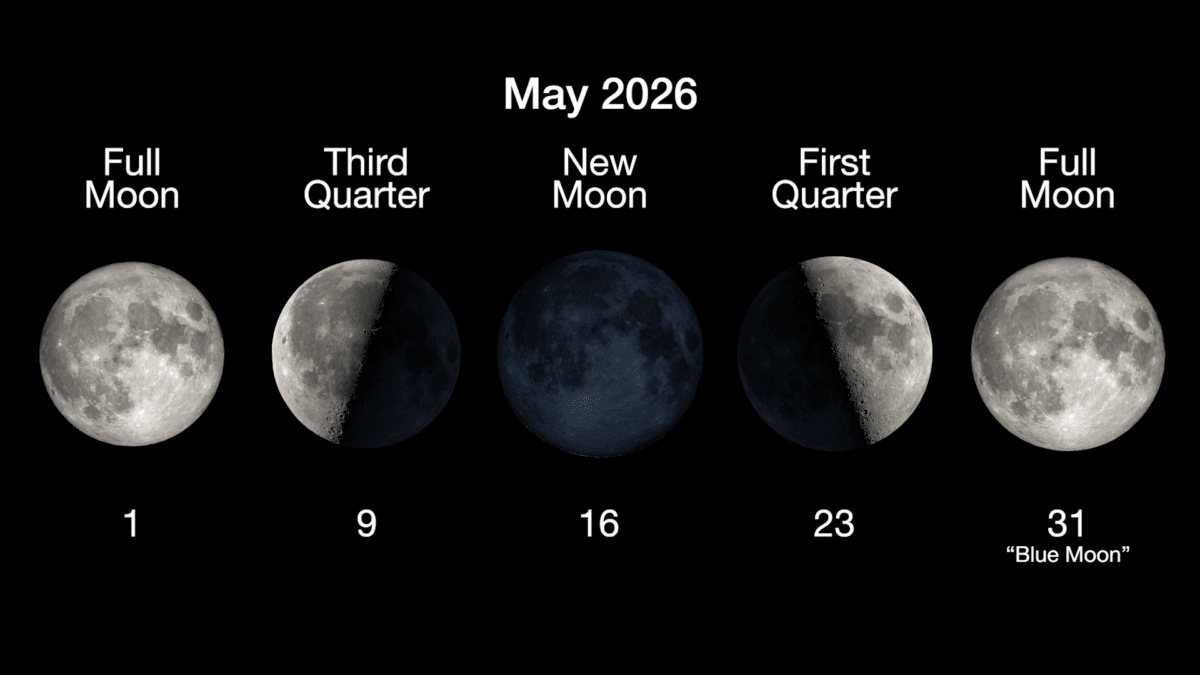
The month begins and ends on a full moon, a less common event framing May with two luminous lunar displays. The initial full moon, referred to as the Flower Moon, peaks on May 1 and celebrates traditional springtime blooms. The month concludes with the second full moon on May 31, earning the designation of a blue moon. Despite the name, this phenomenon doesn’t actually turn the moon blue—its color remains typical unless influenced by unusual atmospheric phenomena such as volcanic ash.
The moon’s phases in May greatly influence observational conditions. The early month’s bright moonlight hampers visibility of faint celestial objects, while the new moon phase in mid-May offers exceptionally dark skies, ideal for witnessing the faint glow of distant galaxies and the Milky Way. This lunar cycle divides May into two contrasting periods, each optimal for different types of astronomical viewing.

Meteor Activity and Planetary Alignments Highlight the Horizon
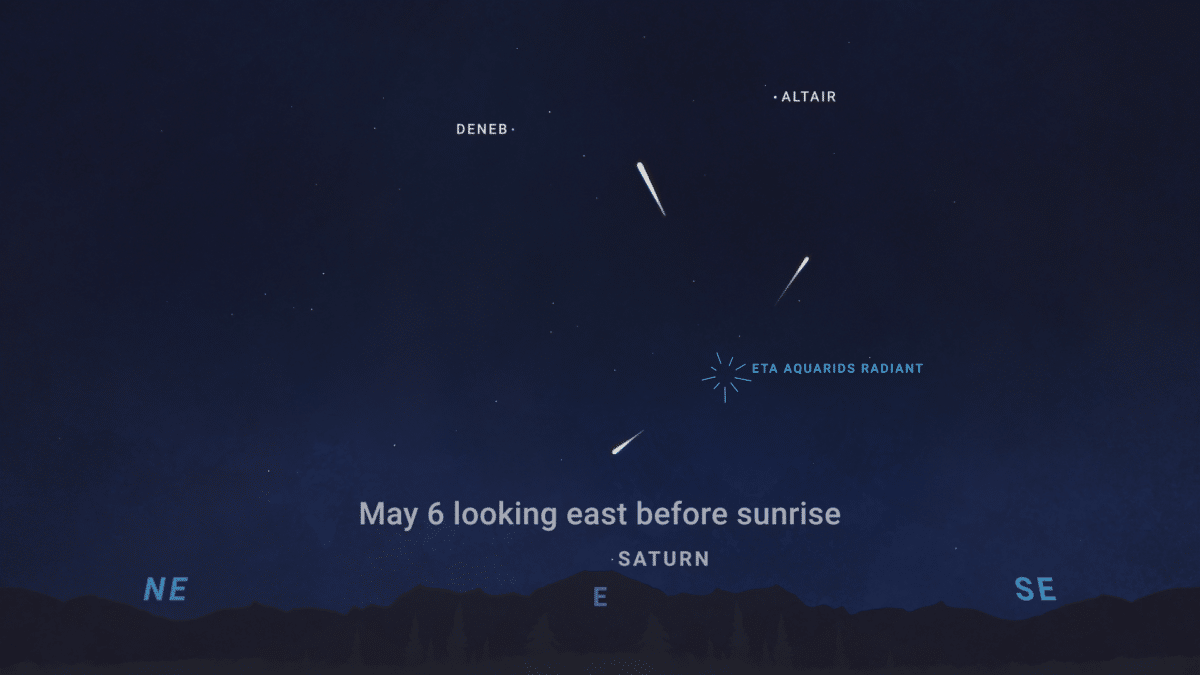
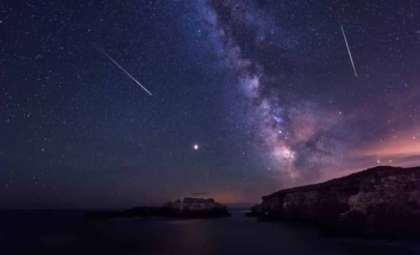
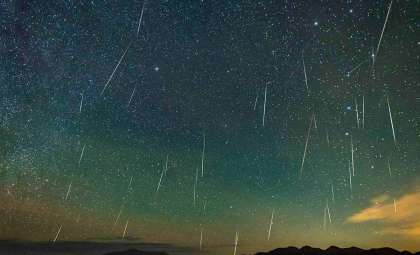
The spotlight shines on the Eta Aquariid meteor shower, reaching its peak between the nights of May 5 and 6. Renowned for swift, luminous meteors that often leave smoky trails, this shower traces its origin to debris from Halley’s Comet. As detailed by NASA, optimal viewing can yield many meteors per hour, mostly visible in the Southern Hemisphere. This year’s waning gibbous moon, however, will dim the fainter meteors, limiting the display to its brightest streaks.
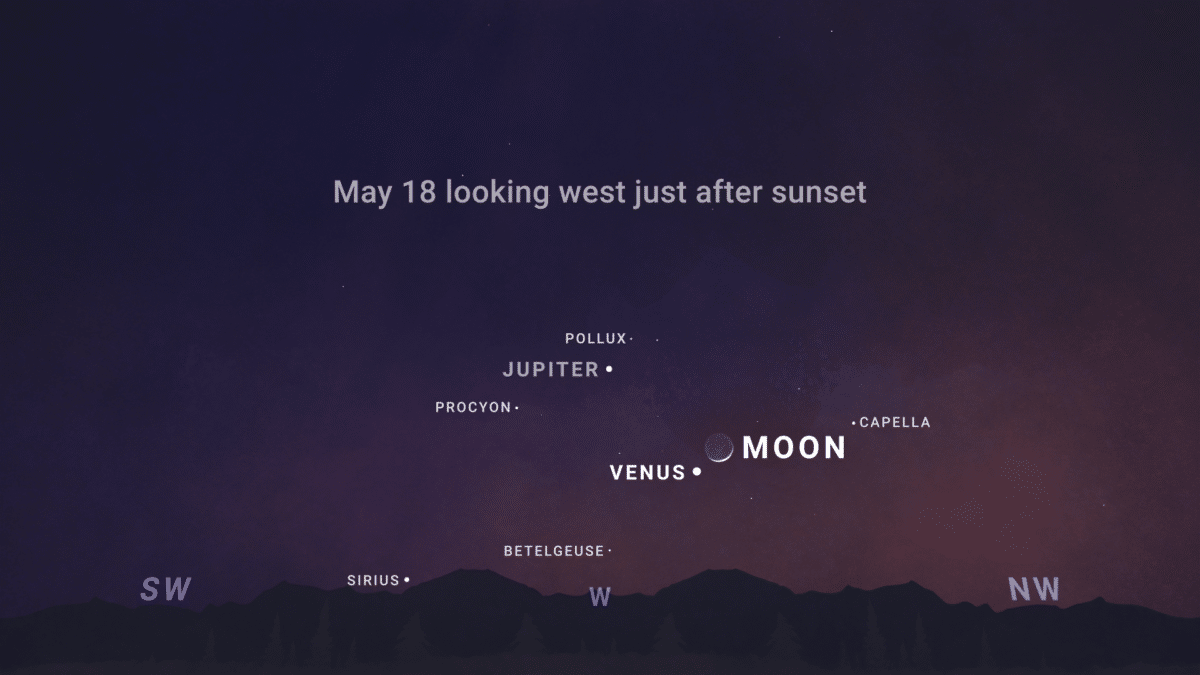
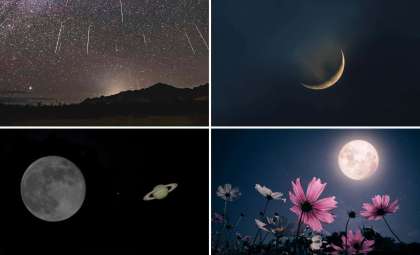
Planetary alignments further intrigue night sky watchers. On May 12 and 13, Mars, Saturn, and a slender crescent moon will form a close grouping in the eastern sky before dawn, according to National Geographic. This near-linear configuration is easily noticeable without optical aid. A few days later, on May 18, the Moon and Venus align after sunset in the western sky, producing one of May’s brightest celestial conjunctions. Jupiter and Mercury join the evening ensemble, offering a nightly evolving sight of multiple planets.
Prime Season for Milky Way Observation
One of May’s most captivating nighttime features is the reemergence of the Milky Way’s luminous core in northern skies. Near the new moon on May 16, the dark conditions enable the galaxy’s brightest swath to shine brilliantly. The core rises approximately at 11 p.m. and remains visible until sunrise, making it a favorite subject for sky watchers and astrophotographers alike.
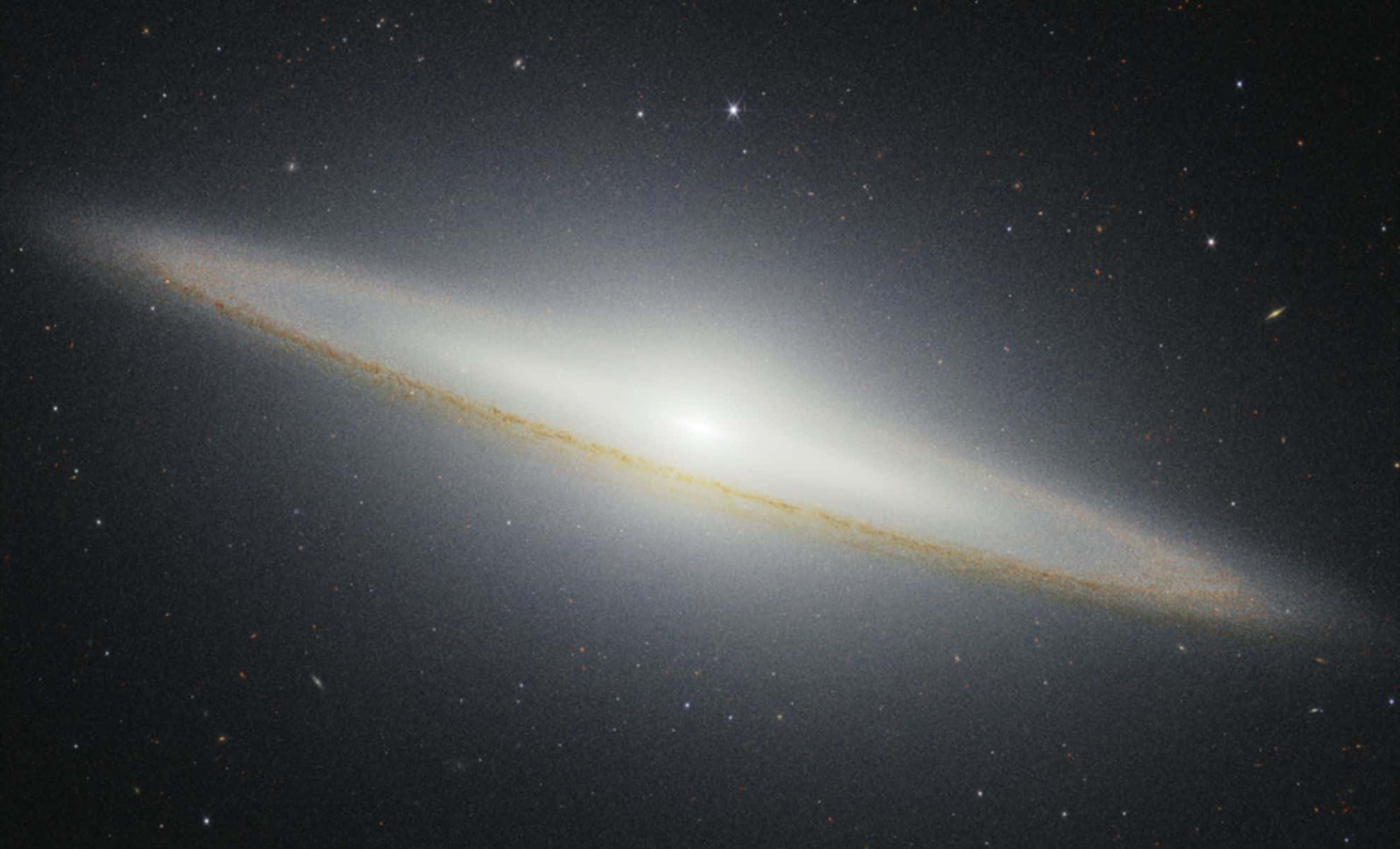
Viewing from locations with minimal light pollution maximizes the detail visible within this dense region—intricate lanes of interstellar dust and rich star clusters come into focus. Telescopes can also reveal nearby cosmic neighbors like the Whirlpool Galaxy and the Sombrero Galaxy. National Geographic highlights this mid-May window as the finest for deep-sky viewing with the least lunar interference.
Steady Planetary Movements and Subtle Celestial Changes
In addition to headline events, May’s sky presents gentle shifts worth tracking. Jupiter serves as a bright celestial guide near twins Pollux and Castor within the Gemini constellation. Its striking brightness aids in pinpointing nearby stars.
Over the course of the month, the distance between Venus and Jupiter steadily narrows, culminating in a close conjunction toward late May. Meanwhile, Mercury becomes more prominent as it approaches its peak eastern elongation in June, adding another vivid point to the western twilight sky.
Overall, May offers a dynamic procession of celestial events that unfold night after night, rewarding those who follow the evolving panorama with a rich and diverse astronomical experience.
- Categories:
- News






0 comments
Sign in to Comment