
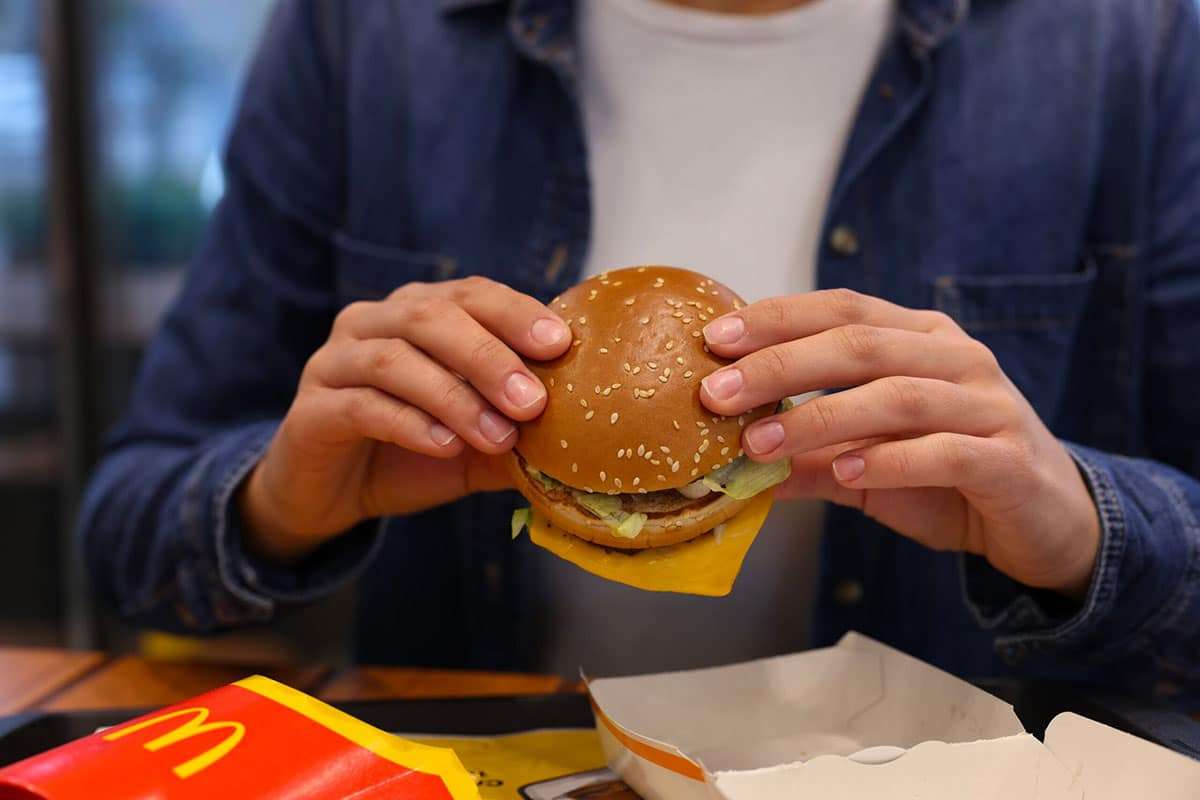
Established in 1940, McDonald’s stands as a hallmark of American culture and global commerce. Its swift growth has led to a footprint in over 100 nations, boasting more than 39,000 outlets internationally. Several factors have driven this expansion:
- Consistent menu offerings worldwide
- Streamlined food production techniques
- Highly targeted advertising campaigns
- Customization to suit regional culinary preferences
The prominence of McDonald’s has set a precedent for other fast food brands, shaping a worldwide fast food environment. However, this growth is accompanied by rising debates about the health risks linked to eating fast food.
Fast food chains attract consumers with their quick service and low prices, but their effects on health continue to be questioned. The association between fast food intake and increasing obesity rates has been firmly established, as specialists emphasize the high calorie and low nutritional value of many fast food meals.

Food Safety Challenges and Health Risks
A recent cluster of Escherichia coli (E. coli) infections linked to McDonald’s Quarter Pounder burgers across the U.S. has shed light on the food safety hazards tied to fast food. This outbreak led to:
- 75 reported cases of illness
- 22 individuals hospitalized
- 1 death attributed to the outbreak
- 2 patients developing hemolytic uremic syndrome (HUS)
Spanning 13 states, this event compelled McDonald’s to pull the Quarter Pounder from menus in affected regions temporarily. It underscores the critical need for stringent food safety measures in mass food production and distribution networks.
E. coli infections manifest with symptoms from mild digestive upset to serious illnesses like HUS, which can impair kidney function. The contamination often arises from exposure to fecal matter, typically linked to improper food handling or unsanitary environments.
Financial and Legal Impacts
The outbreak has hurt McDonald’s financially, with shares dropping more than 8% in the wake of the news. This event highlights the economic risks fast food companies face when food safety incidents occur and public confidence wavers.
Additionally, McDonald’s is confronted with legal claims as affected consumers seek over $5 million in compensation. This legal action illustrates the serious accountability fast food corporations encounter following lapses in food safety.
Impact Description Health 75 illnesses, 1 death Economic 8% drop in stock value Legal $5 million lawsuit
Worldwide Consequences and Prospects
The E. coli incident at McDonald’s exemplifies the wider challenges facing the global fast food sector. As these corporations grow, they must contend with:
- Heightened examination of health-related impacts
- Increasing consumer demand for healthier food choices
- Tougher regulations governing food safety
- Resistance from certain cultural groups
Future success of chains like McDonald’s will depend on their ability to respond to these trends. Possible approaches include:
- Expanding healthier menu selections
- Enhancing transparency about ingredient sourcing and preparation
- Investing in advanced food safety technologies and procedures
- Pursuing environmentally sustainable practices
As the global interest in sustainability and environmental responsibility intensifies, fast food businesses will likely need to address their ecological impact, including packaging and greenhouse gas emissions.
In summary, the so-called “McDonald’s epidemic” reflects the intricate relationship between globalization, public health, and corporate ethics. Despite offering quick and affordable options, the fast food industry’s continued relevance will rely on its capacity to tackle health issues and shift with consumer values. Just as maintaining balanced care is essential for pets, these companies must balance profitability with social responsibility to sustain their position in the global market.
- Categories:
- Trends

















0 comments
Sign in to Comment