
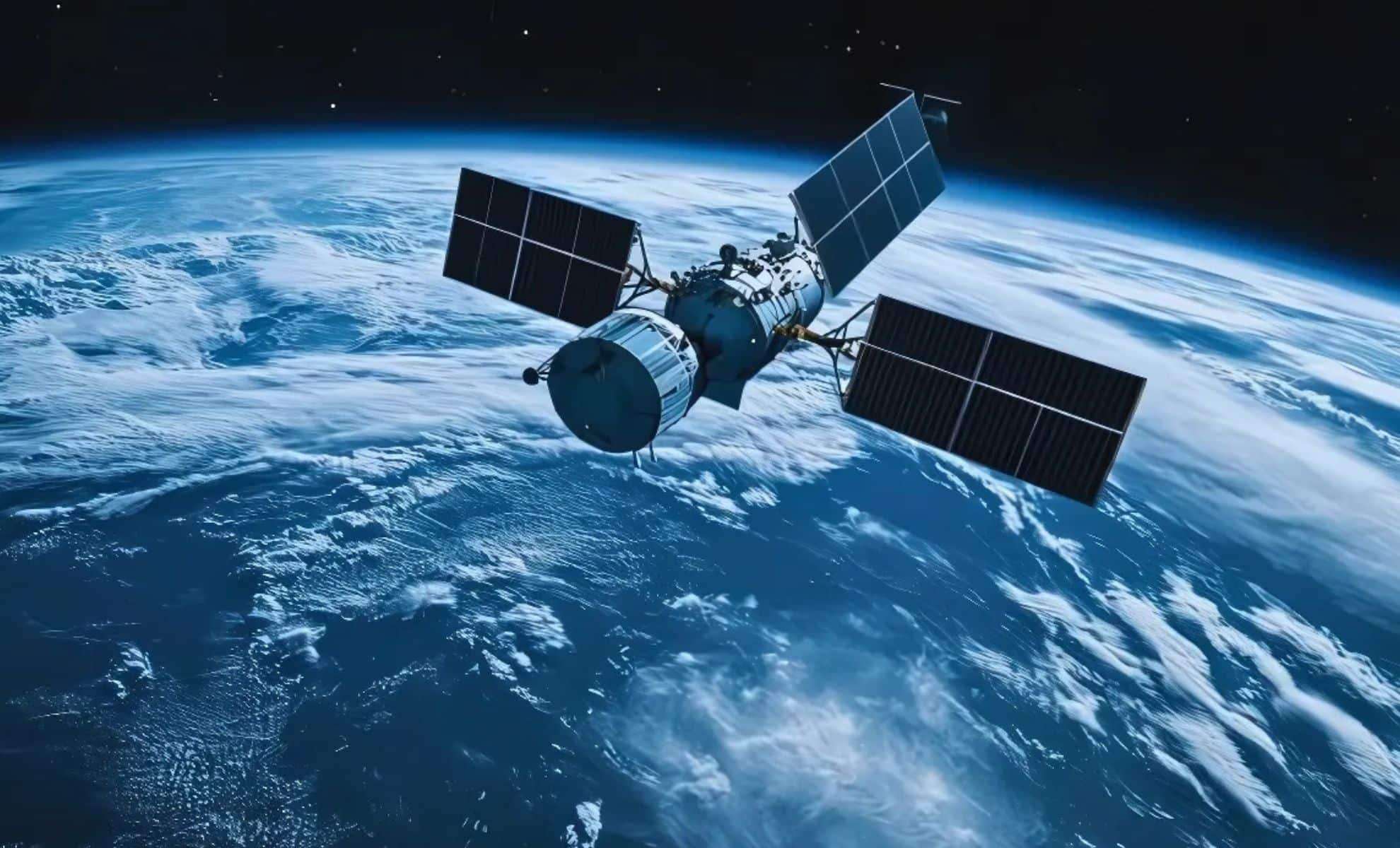
An innovative partnership between NASA and the Indian Space Research Organization (ISRO) is set to enhance our ability to monitor shifts in Earth’s surface. The NISAR (NASA-ISRO Synthetic Aperture Radar) satellite, planned for launch in early 2025, will provide highly precise data on terrain alterations caused by earthquakes, volcanic activity, landslides, and changes affecting essential infrastructure.
Introducing a Cutting-Edge Tool to Track Earth's Surface Dynamics
Though the ground beneath us appears stable, it continuously changes. While scientists have used various spaceborne and terrestrial tools to study these movements, NISAR is expected to advance this research drastically. It incorporates two radar systems: an L-band radar built by NASA’s Jet Propulsion Laboratory (JPL) and an S-band radar developed by ISRO. Together, they can detect ground shifts as small as fractions of an inch. This comprehensive, frequent monitoring every 12 days promises groundbreaking insights for responding to both natural disasters and human-made impacts.
Technical Features of the Satellite
- Dual Radar Configuration:
- L-band (JPL): penetrates dense foliage to reveal ground deformations.
- S-band (ISRO): enhances detection sensitivity alongside L-band.
- Observation Frequency: revisits nearly all land and icy regions twice within a 12-day span.
- Precision: capable of measuring ground shifts down to minute fractions of an inch.
- All-Weather Operation: functions continuously day and night, penetrating clouds where optical sensors cannot.
This combination equips NISAR to spot early warnings of geological hazards such as volcanoes and landslides, even in remote or heavily vegetated zones.

Unlocking the Secrets Beneath Earth’s Surface
While NISAR will not predict earthquakes directly, it offers valuable data on seismic movements. By analyzing global fault lines, it identifies regions likely to produce earthquakes and those where strain is accumulating. Caltech’s Mark Simons, who leads NISAR’s solid Earth studies in the US, highlights that highly observed zones like California will benefit from improved risk analysis.
In contrast, NISAR's data could prove revolutionary for less-monitored seismic boundaries such as the Himalayan plate fault, helping to uncover hidden earthquake risks and bolster India's preparedness efforts.
The satellite's capabilities also extend to volcanic monitoring. Detecting subtle ground deformation near volcanoes can reveal magma movement underground. By continuously tracking these changes, NISAR will provide critical early warning signs to help protect nearby populations.
Key Earth Science Applications of NISAR Observations
- Seismic Activity Analysis:
- Maps active seismic areas and fault dynamics.
- Identifies locked faults and zones prone to slipping.
- Expands surveillance to regions like the Himalayan plate boundary.
- Volcano Monitoring:
- Detects swelling or subsidence on volcanic slopes.
- Supports eruption forecasting by observing magma shifts.
- Delivers continuous data to track long-term trends.
- Landslide Surveillance:
- Monitors slope stability for early landslide detection.
- Vital in areas prone to heavy rainfall or seismic events.
Monitoring Critical Infrastructure from Space
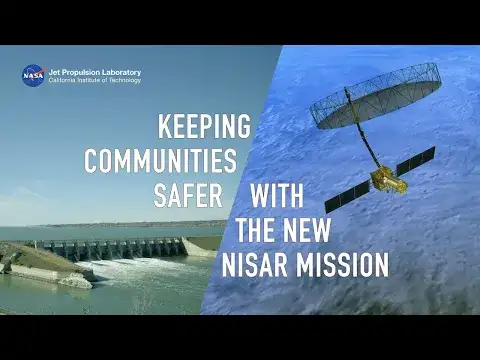
NISAR's technology will also provide vital oversight of man-made structures. By defining standard conditions for levees, dams, and other infrastructure, it can quickly reveal shifts indicating potential structural issues.
For example, significant earthquakes could cause soil liquefaction around levees in California's Sacramento-San Joaquin River Delta. With over 1,000 miles of levees, the satellite’s precise data enables focused inspections on at-risk areas, optimizing maintenance efforts and resource allocation.
NISAR’s Role in Ensuring Infrastructure Stability
- Reference Mapping:
- Generates baseline visuals of levees, dams, and water channels.
- Detects early deviations signaling potential issues.
- Focused Inspection:
- Targets detailed inspections to zones showing abnormal movement.
- Minimizes large-scale surveys by concentrating on problem spots.
- Damage Evaluation:
- Supports damage assessments after events like earthquakes.
- Aids in organizing quick repair and recovery actions.
More than a technological breakthrough, the NISAR initiative symbolizes a critical step towards better safeguarding our planet’s surface and vulnerable communities through timely, accurate data.









0 comments
Sign in to Comment