
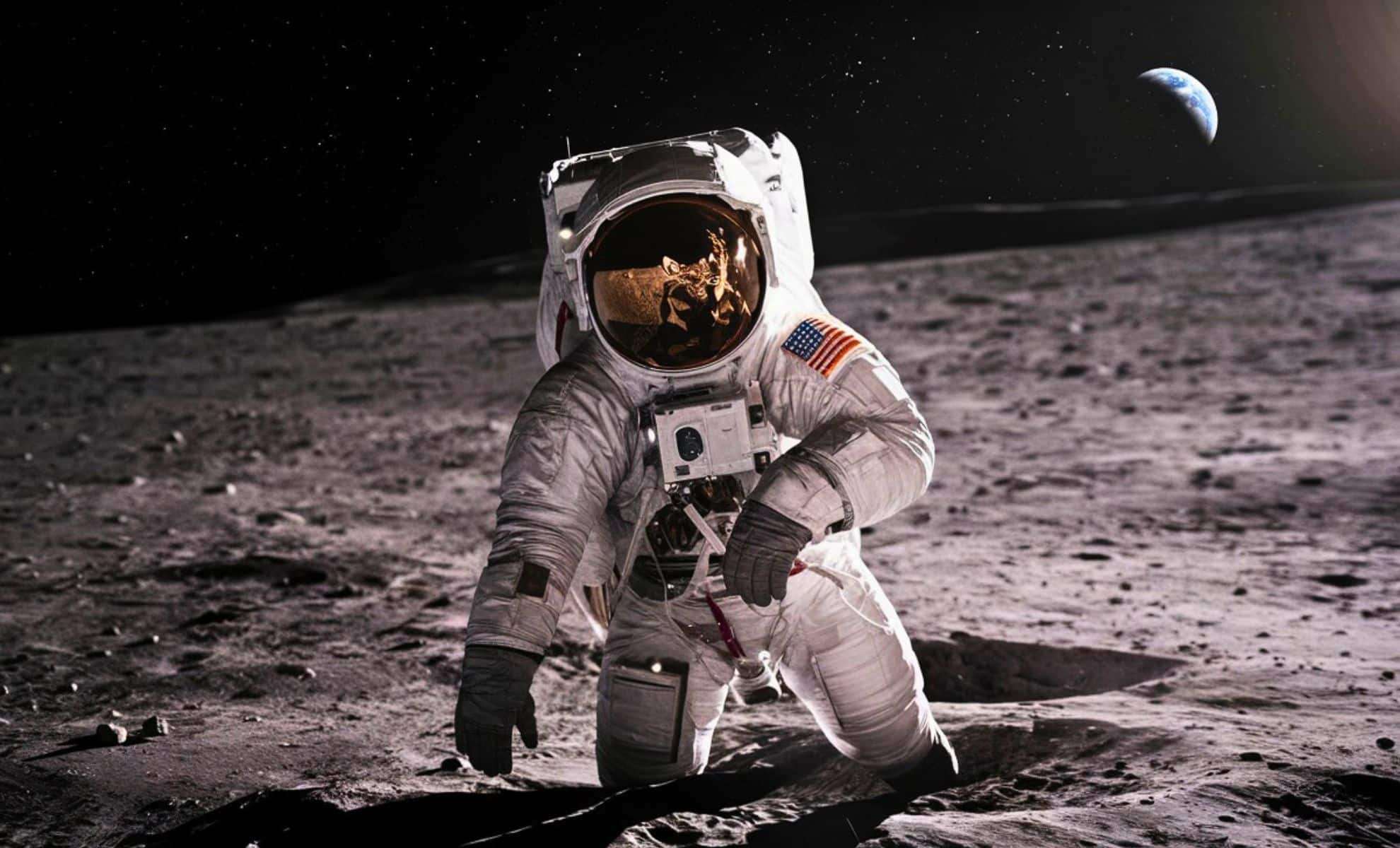
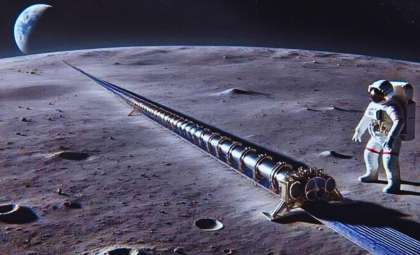
NASA has unveiled an innovative competition aimed at advancing lunar exploration safety. The agency invites engineers, inventors, and creative minds to craft a transportation system capable of moving an immobilized astronaut across the uneven surface of the Moon. This initiative focuses on developing technology that can evacuate an injured or unconscious crew member without relying on a rover.
As an integral part of the Artemis mission—which seeks to bring humans back to the Moon and build a long-term presence—this contest emphasizes astronaut safety. NASA is awarding a $20,000 top prize for the most effective design, with an extra $45,000 distributed to at least two other outstanding proposals.
Challenges of Being Isolated on the Lunar Surface
Space missions inherently carry significant risks. One of the darkest moments in space history was in 1971, when Soyuz 11 experienced cabin depressurization, resulting in the loss of its three cosmonauts. While fatalities in the vacuum of space remain rare, NASA is proactively developing rescue strategies to protect future lunar explorers in emergencies.

During the Apollo 11 mission, no contingency existed if Neil Armstrong and Buzz Aldrin became incapacitated on the Moon. Their colleague Michael Collins, orbiting above, would have been forced to return to Earth alone. In fact, President Nixon prepared a speech to announce a potential tragedy.
Now, with the upcoming Artemis III and IV missions focusing on the Moon’s South Pole, NASA is committed to creating safeguards that allow astronauts to be rescued if they cannot move unaided.
Transporting an Astronaut Across the Lunar Terrain
Moving an injured astronaut in space poses serious difficulties. The Axiom spacesuit, designed with Prada, weighs about 343 kg (750 lbs) on Earth. On the Moon, gravity reduces this to roughly 57 kg (125 lbs), but it still represents a considerable load for a fellow crew member.
NASA’s challenge specifications require the system to:
- Carry an astronaut over a 2 km (1.2 miles) stretch of lunar ground
- Navigate inclines up to 20 degrees
- Operate independently of any rover assistance
Moreover, the lunar environment is harsh and demanding. The South Pole area features extreme temperature fluctuations, reaching as high as +55°C (131°F) during sunlight and dropping to -200°C (-328°F) in shadow. The lunar dust, or regolith, is finely abrasive, which can hinder mechanical performance. Any submitted design must prioritize reliability, efficiency, and robust durability to endure these conditions.
Participating in the Challenge
NASA’s Lunar Astronaut Rescue Challenge welcomes proposals from anyone with a practical, innovative concept. Entries should include a comprehensive plan detailing the system's operation, feasibility, and resistance to lunar environmental stresses.
The winning entry will receive $20,000, and at least two other competitors will share $45,000 in additional awards. More importantly, leading solutions could become vital components in securing the safety of astronauts on future lunar missions.
For enthusiasts of engineering, astronomy, and technological innovation, this challenge presents a unique chance to influence humanity’s next giant leap. Could your design be the key to saving lives on the Moon?
This article was published in hindustantimes. For more information, visit: https://www.herox.com/NASASouthPoleSafety
- Categories:
- Space






0 comments
Sign in to Comment