
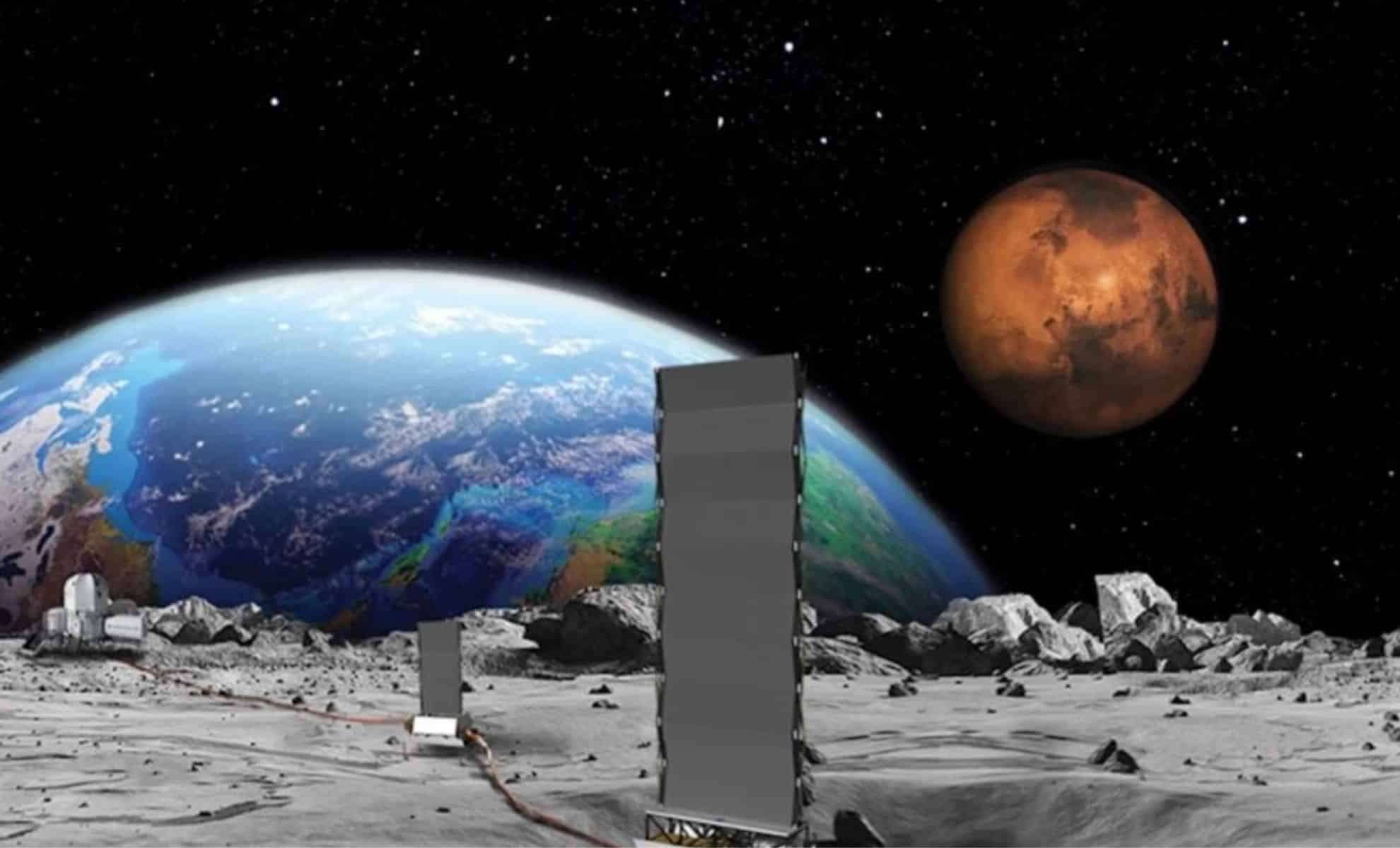
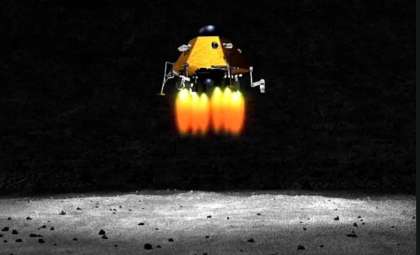
NASA is fast-tracking plans to develop a nuclear power reactor for lunar deployment by 2030, marking a pivotal step in America's renewed lunar exploration ambitions. As reported by Politico, the directive from interim NASA administrator Sean Duffy aims to boost the agency's power infrastructure to support upcoming crewed moon missions. This initiative also responds to increasing competition in space from nations such as China, with the goal of securing U.S. leadership in lunar energy solutions.
Why Nuclear Power Is Crucial for Lunar Missions
Solar power presents challenges on the lunar surface due to long, two-week nights and extreme environmental conditions, making consistent energy supply difficult. Given these constraints, nuclear energy through fission reactors emerges as the most dependable option.
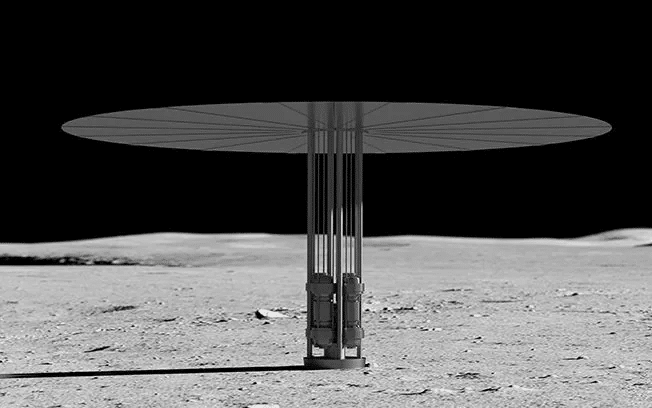
According to Politico, "The reactor directive orders NASA to seek proposals from industry for manufacturing a 100-kilowatt nuclear reactor aimed for launch by 2030, which will be critical for astronauts returning to the moon." This advanced power source is expected to support life support systems, scientific equipment, and habitat construction for sustained lunar presence. NASA’s commitment to nuclear technology is a strategic step toward establishing a durable, autonomous base on the moon.

Building on earlier efforts that developed a smaller 40-kilowatt reactor, NASA now targets a more powerful reactor to help crews remain operational on the lunar surface for extended durations, accelerating progress toward this goal.
Private Sector's Key Role in Reactor Development
NASA’s approach heavily relies on collaboration with private industry for the design, construction, and deployment of the nuclear reactor. Rather than going it alone, the agency is inviting companies to submit proposals under this directive, reflecting an ongoing trend of public-private partnerships in space exploration, similar to collaborations with companies like SpaceX for International Space Station missions.
With a target launch date set for 2030, NASA is adhering to a rigorous timeline to stay ahead in the space race and overcome technical hurdles with essential industry support.
Strategic Impact of Nuclear Power on the Moon
Establishing a nuclear reactor on the lunar surface carries strategic benefits beyond immediate practical needs. Autonomous energy capability would enable astronauts and moon bases to function without constant Earth resupply, a critical factor for long-term operations.
Moreover, such a power source would facilitate diverse lunar activities including scientific studies, resource harvesting, and habitat development. NASA envisions that these advances will lead to a sustainable lunar outpost, ultimately supporting ambitions for human exploration of Mars.
- Categories:
- News








0 comments
Sign in to Comment