
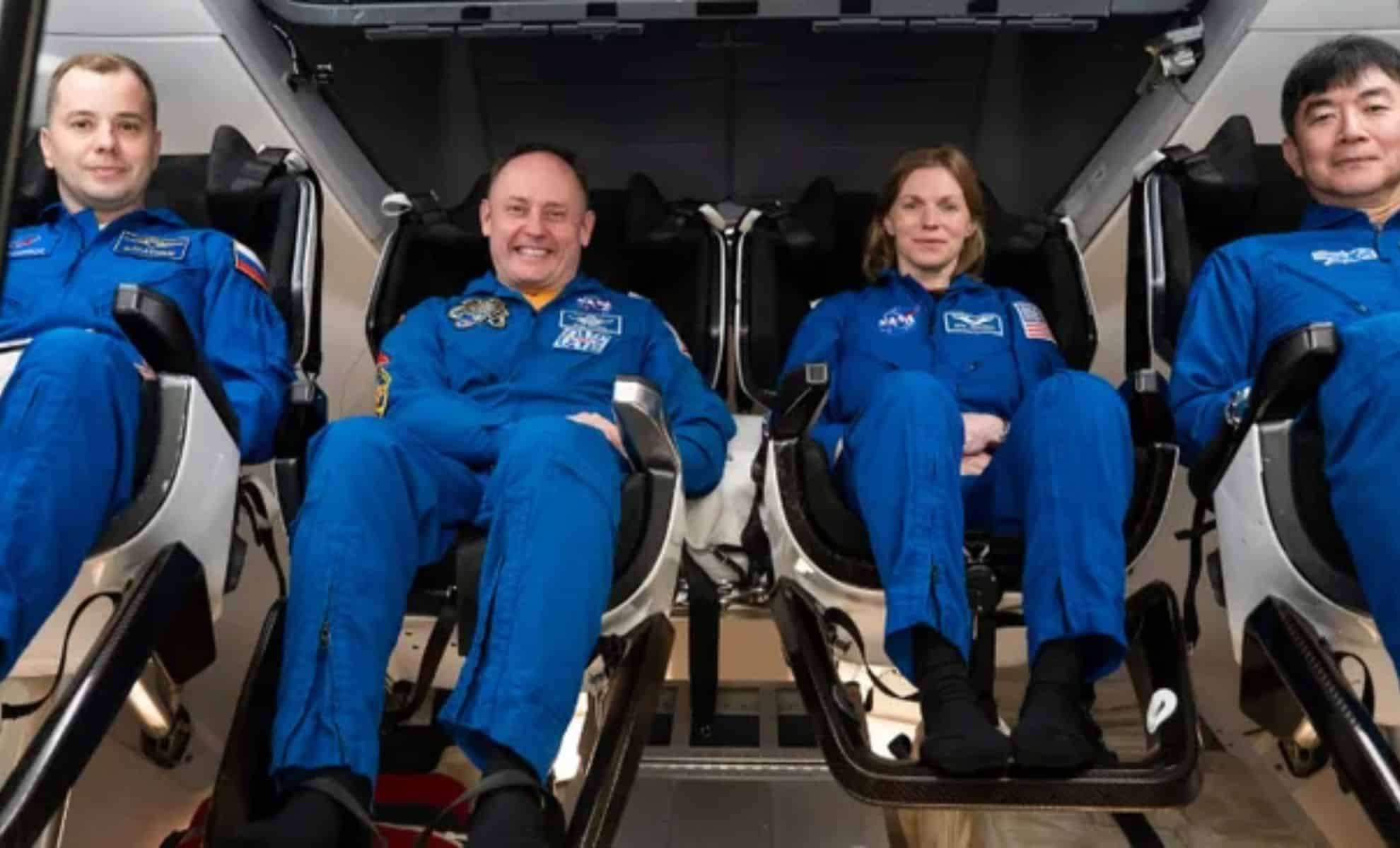
NASA and SpaceX have scheduled the Crew-11 launch for July 31, sending four astronauts aboard the Crew Dragon Endeavour to the International Space Station (ISS). Reported by Space.com, the mission will lift off from NASA’s Kennedy Space Center in Florida. This marks the sixth flight of the spacecraft, cementing its reputation as one of SpaceX’s most dependable crew carriers. The mission also aligns with the celebration of 25 consecutive years of continuous human occupancy on the ISS, emphasizing the success of global space collaboration.
A Diverse Crew and Proven Spacecraft
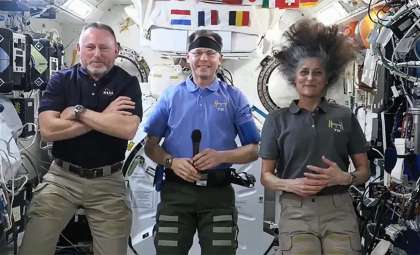
The Crew-11 team showcases a blend of international expertise. First-time flyer Zena Cardman anticipates her inaugural space journey. Veteran astronaut Mike Fincke brings a wealth of experience with 382 days spent in orbit. Returning for his second trip, Kimiya Yui represents JAXA, while Oleg Platonov, hailing from Roscosmos, embarks on his initial spaceflight.
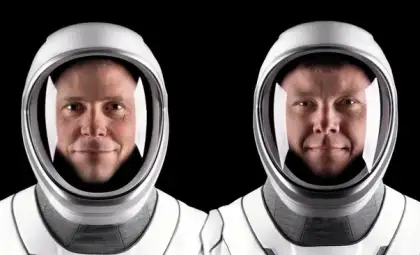
These astronauts will travel aboard the Crew Dragon Endeavour, a craft known for its solid performance record. Sarah Walker, SpaceX’s director of Dragon mission management, emphasized: “This Dragon spacecraft has successfully flown 18 crew members representing eight countries to space already, starting with [NASA astronauts] Bob [Behnken] and Doug [Hurley] in 2020, when it returned human spaceflight capabilities to the United States for the first time since the shuttle retired in July of 2011.” This highlights the vehicle’s consistent dependability and its pivotal role in reestablishing crewed launches from the U.S.

The spacecraft has been updated for this flight, notably incorporating the drogue 3.1 parachutes to improve re-entry safety and performance. These enhancements reflect SpaceX’s ongoing investment in mission safety and reliability.
Scheduling and Station Operations
The timing of the Crew-11 launch is carefully coordinated with other ISS activities, creating a precise schedule for launch and docking. Bill Spetch, NASA’s ISS operations integration manager, explained: “Providing multiple methods for us to maintain the station altitude is critically important as we continue to operate and get the most use out of our limited launch resources that we do have.” Coordination with Crew-10’s return and the forthcoming CRS-33 supply mission will ensure seamless operations onboard the station.
SpaceX’s Falcon 9 rocket has supported prior missions such as Starlink 12-10 and the private Ax-4 astronaut mission. For this flight, the rocket’s first stage, known as B1094, will undergo final refurbishment. Its performance is critical to mission success, especially given the tightly packed schedule of spacecraft visiting the ISS. NASA’s ability to flawlessly manage this complex launch sequence reflects precise engineering and collaboration.
The Crew-11 mission will be the debut use of the upgraded parachutes on the Crew Dragon Endeavour, underscoring SpaceX’s continuous efforts to enhance crew safety and mission efficiency.
Celebrating 25 Years of Continuous Human Activity in Space
This flight coincides with a major milestone: the ISS’s 25 years of uninterrupted human presence, to be celebrated on November 2. Ken Bowersox, associate administrator for NASA’s Space Operations Mission Directorate, remarked: “That’s going to be a huge milestone. The occasion, he added, is ‘a great testament to the work of our commercial partners, our international partners, and the whole NASA team.’” The ongoing human presence aboard the ISS exemplifies international cooperation and technological triumphs, with Crew-11 playing a vital part in this legacy.
The astronauts joining ISS Expedition 73/74 will engage in scientific research, station upkeep, and preparation for upcoming missions as NASA gears up for the Artemis program and deeper space exploration toward the Moon and Mars.
- Categories:
- News








0 comments
Sign in to Comment