
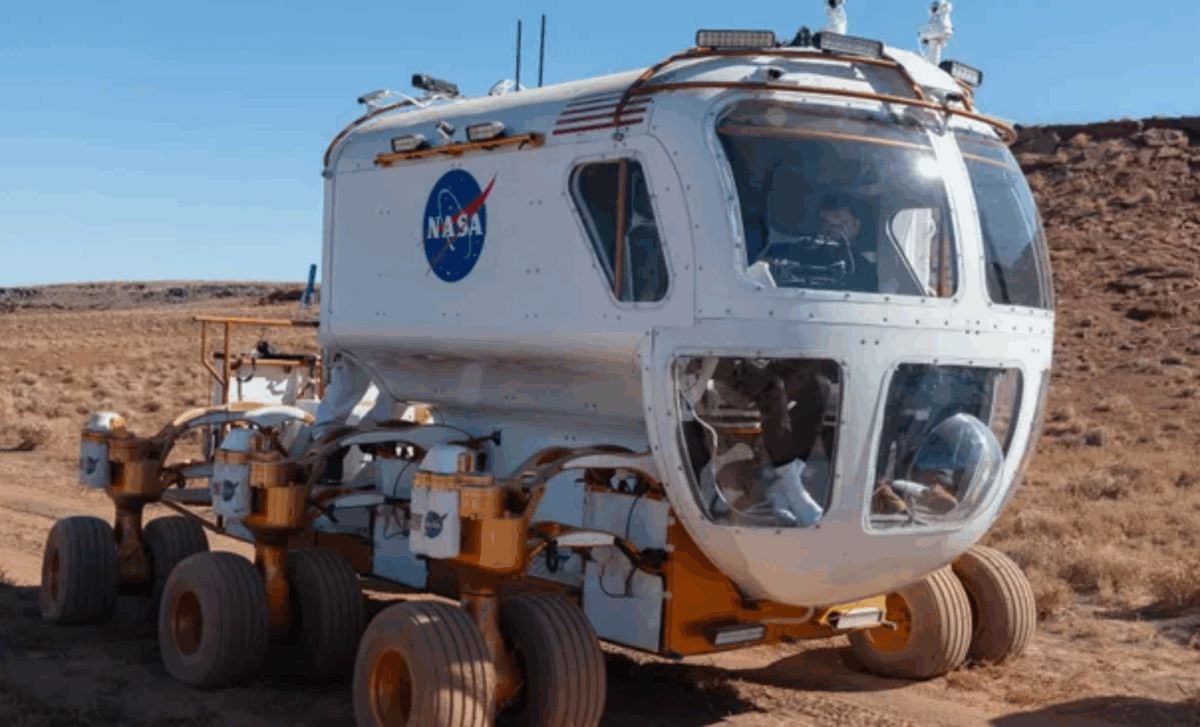
NASA’s Lunar Electric Rover (LER) is currently being put through its paces in Arizona’s challenging desert landscape, designed to replicate the unforgiving environment astronauts will experience on the lunar surface. As reported by Space.com, the LER features a pressurized cabin and advanced mobility systems, promising to transform how humans explore the moon. This trial run at the Black Point Lava Flow, part of NASA’s Desert Research and Technology Studies (Desert RATS), is a vital preview of future space exploration efforts where humanity will establish a more enduring presence beyond Earth.
Understanding the Lunar Electric Rover and Its Significance
The Lunar Electric Rover represents a major leap forward for robotic and human exploration on the moon. It is engineered to support longer surface excursions, enabling astronauts to travel substantially greater distances from their landing sites than before. Unlike the open-roofed rovers used during the Apollo era, the LER’s pressurized cabin provides a controlled refuge where crews can live and work safely for extended periods on the lunar surface.
Built to tackle the moon’s abrasive, rocky ground and withstand dramatic temperature swings, this rover is designed for true autonomy in exploration. It reduces the need for frequent returns to a base habitat, unlocking access to remote locations such as permanently shadowed craters which are believed to harbor scientifically valuable resources like water ice.

As an integral component of NASA’s Artemis initiative—which aims to land astronauts back on the moon by the late 2020s—the LER will enable more effective sample collection, scientific experimentation, and surface surveys. Its robust design enhances astronaut safety and operational efficiency, paving the way for future activities like lunar resource utilization and potentially establishing off-Earth settlements.
Arizona’s Desert: A Stand-In for the Lunar Surface
Although the LER is built for lunar conditions, testing it on Earth is essential for refining performance. Arizona’s Black Point Lava Flow serves as an ideal proving ground, with its rugged volcanic terrain and extreme desert climate closely mimicking the moon’s rough and barren surface. NASA’s Desert RATS program leverages these Earthly analogs to simulate the environmental stresses that lunar explorers will encounter.
The volcanic rock strewn landscape shares many features with the moon, from uneven rocky formations to the absence of vegetation and atmosphere. Engineers and astronauts operating the LER here collect vital data on handling rocky obstacles, withstanding temperature extremes, and maintaining a livable atmosphere inside the rover during extended missions.
These practical evaluations inform necessary tweaks to the rover’s design and mission protocols, ensuring the vehicle is fully prepared for the harsh and unfamiliar lunar environment.
The Impact of the Desert Research and Technology Studies (Desert RATS)
Desert Research and Technology Studies (Desert RATS) has played an essential role in prepping NASA for extended space exploration beyond Earth. By recreating conditions similar to other planetary bodies, this program delivers critical insights that advance the development of space technologies such as rovers, space suits, and habitat modules—all within Earth’s most extreme terrains.
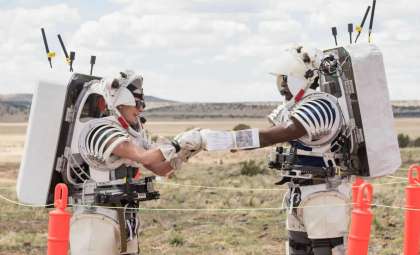
Besides technology validation, Desert RATS also provides rigorous training for astronauts. Conducting simulated missions in Arizona’s harsh desert environment equips crews with hands-on experience in operating under isolation and extreme conditions akin to those on the moon. These exercises sharpen skills needed for navigating difficult terrain, solving problems swiftly, and collaborating effectively under pressure.
The successes achieved through Desert RATS not only bolster lunar exploration plans but also offer valuable lessons for future Mars missions where conditions are even tougher and mission durations longer. By simulating the challenges of deep space travel on Earth, NASA is steadily advancing humanity’s goal of becoming a spacefaring civilization.
- Categories:
- News







0 comments
Sign in to Comment