
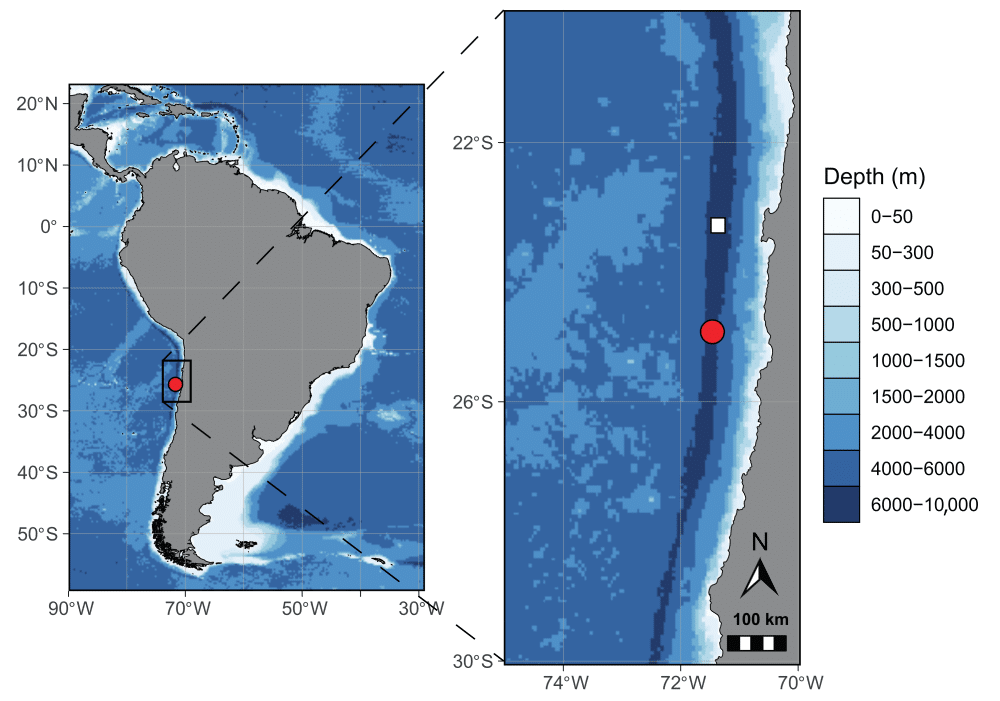
Scientists have uncovered a novel predator species in the Atacama Trench, among the planet’s least explored and deepest marine zones. This unique amphipod, named Dulcibella camanchaca, was discovered at an extraordinary depth of 7,902 meters (approximately 4.9 miles).
A Remarkable Discovery in the Ocean’s Depths
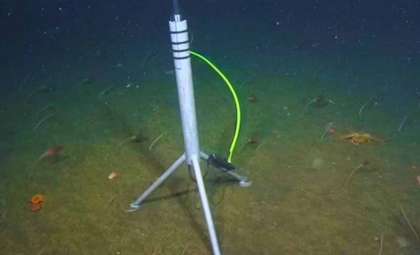
During an expedition in 2023, researchers deployed baited traps in the Atacama Trench to investigate scavenger diversity.
Unexpectedly, the traps—baited with chicken—captured a sizeable predatory amphipod, previously unknown to science.

The research team’s publication describes the finding as a serendipitous breakthrough, highlighting the unpredictable nature of deep-sea exploration.
Johanna Weston, the lead scientist from the Woods Hole Oceanographic Institution, remarked, “Using baited traps involves both expertise and a fair amount of fortune.”
Adaptations Suited for Life in the Deep Sea
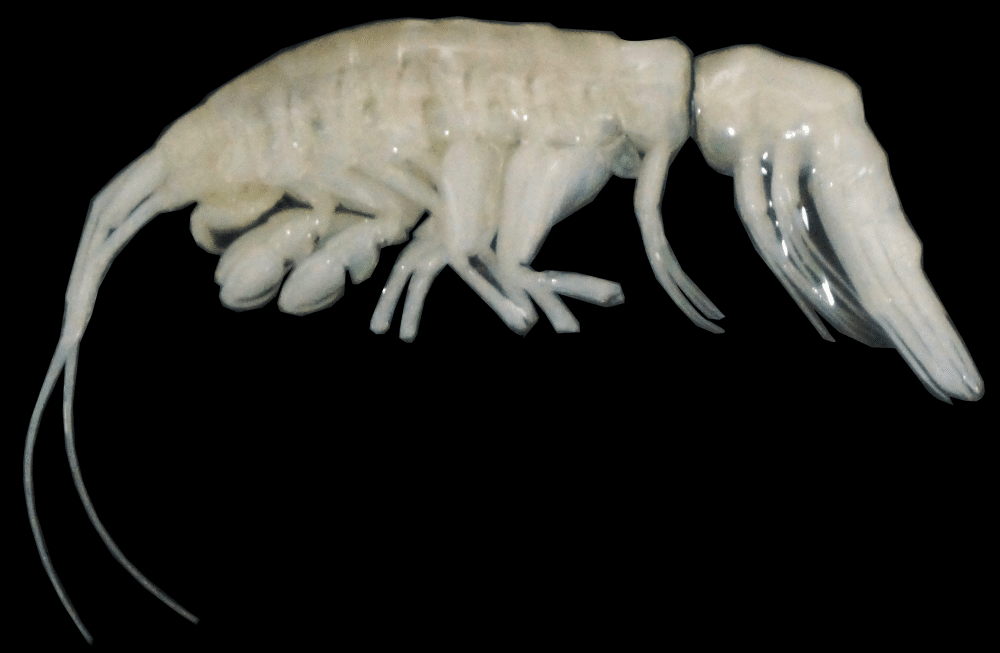
Christened Dulcibella camanchaca, this species exhibits remarkable adaptations to thrive deep within the Atacama Trench’s dark environment.
Without eyes, this amphipod relies on heightened alternate senses to navigate its pitch-black underwater habitat.
"Amphipods are incredibly varied and inhabit diverse environments—from mountain streams and caves to seashores and the ocean’s profound depths," explained Weston.
He added, “Surprisingly, species dwelling in deep waters don’t always differ drastically in appearance from their shallow-water relatives.”
Adapted for Survival in the Abyss
Co-author Carolina E. González from the Instituto Milenio de Oceanografía described its physical traits, noting, “Its streamlined, nimble body likely aids in swift movement along the seabed.
Its large, pincer-like front legs seem well-designed for grabbing and securing prey.”
Such features are essential for navigating one of Earth's most extreme ecosystems, where pressure surpasses 1,000 times that at the surface.
Shedding Light on a Hidden Ecosystem
This discovery expands our understanding of the Atacama Trench’s unique biological community.
The research team also emphasized that effective baited-trap deployment combines both technical skill and luck.
Prospects for Discovering More Unknown Species
The capture of Dulcibella camanchaca at a previously unexamined depth in the trench underscores an enormous potential for further scientific findings.
The deep ocean remains a largely uncharted frontier where every new species enriches our comprehension of this alien world.
“There’s always something novel waiting to be discovered; with this, we gain another valuable insight into the Atacama ecosystem,” Weston concluded.
- Categories:
- Science



0 comments
Sign in to Comment