
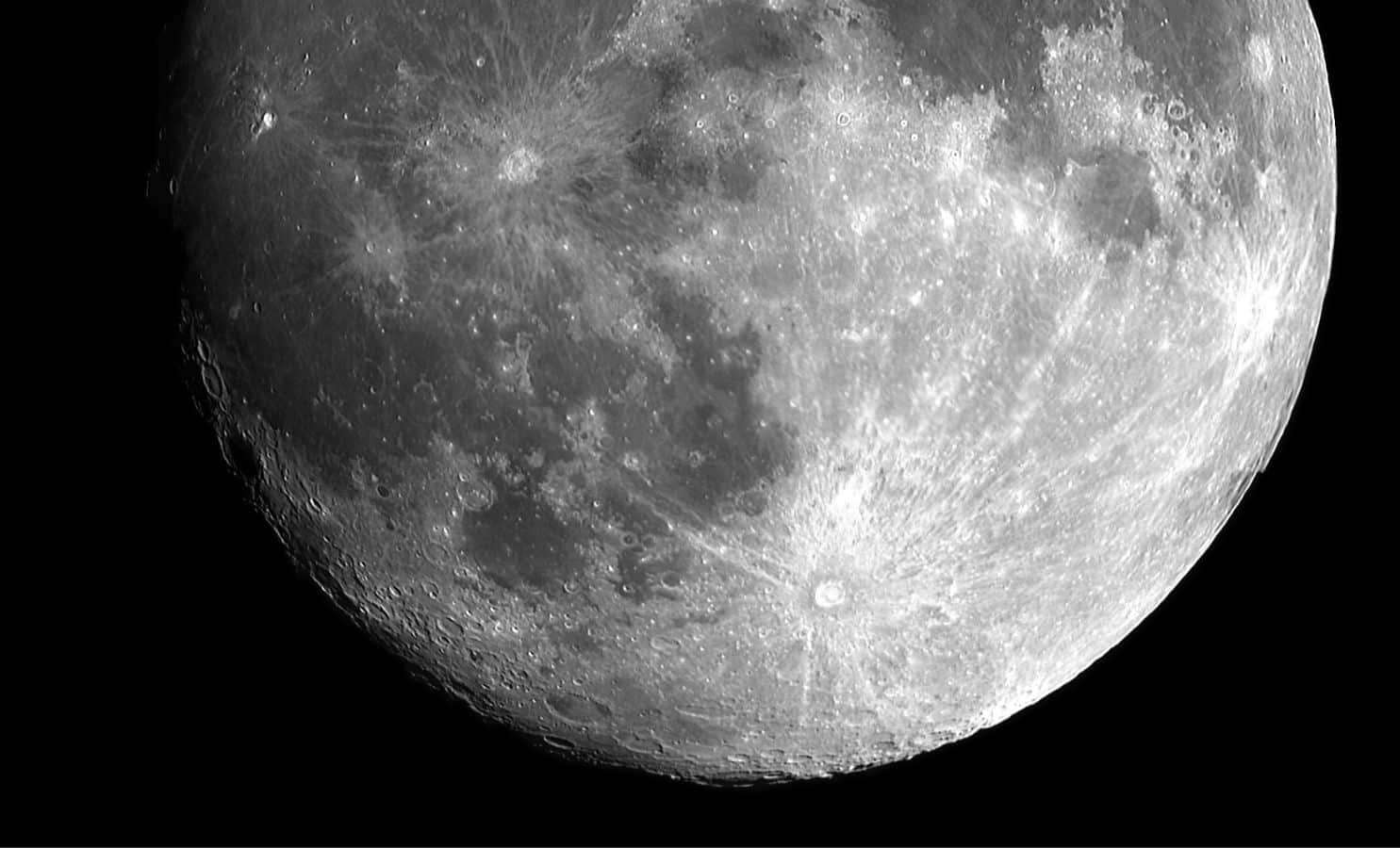
After years of uncertainty, researchers have definitively mapped the Moon’s core makeup. A recent paper published in May 2023 in Nature uncovers that the Moon harbors a solid inner core, characterized by a density closely resembling iron.
This breakthrough settles ongoing debates about the Moon’s deep interior and offers fresh perspectives on its origin, evolutionary path, and conditions in the early Solar System.
Unveiling the Moon’s Interior: Details of the Latest Research
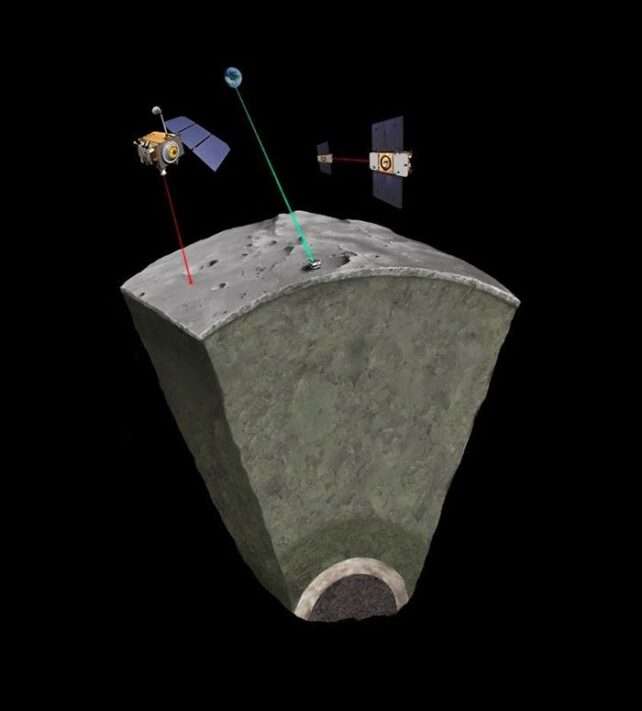
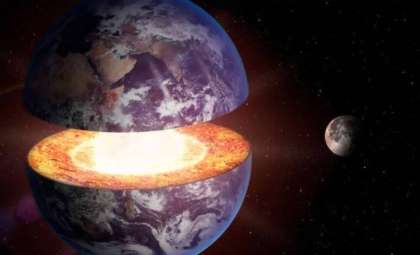
Led by Arthur Briaud from the French National Centre for Scientific Research, the investigation merged data from multiple space missions alongside lunar laser-ranging measurements to build a comprehensive model of the Moon’s interior. Their analysis confirmed a solid inner core with a radius near 258 kilometers (160 miles) and a density of around 7,822 kilograms per cubic meter, paralleling iron’s density. Enveloping this core lies a liquid outer core measuring roughly 362 kilometers (225 miles) in radius. Combined, these layers make up roughly 15% of the Moon’s total radius.

This work builds upon earlier findings. In 2011, Renee Weber, planetary scientist at NASA’s Marshall Space Flight Center, presented seismic evidence from the Apollo missions indicating a solid lunar core. Weber’s team estimated a core radius of about 240 kilometers and density near 8,000 kilograms per cubic meter.
Briaud’s research not only validates Weber’s observations but also refines the core’s dimensions and composition, offering deeper insight into the Moon’s structure. As the team stated, “Our findings support a global mantle overturn scenario providing key clues about the timeline of the lunar bombardment during the Solar System’s initial billion years.”
Insights Into the Moon’s Magnetic Past
This discovery sheds light on the Moon’s former magnetic field, which once resembled Earth’s but waned around 3.2 billion years ago.
Magnetic fields emerge from fluid motion and convection within a planetary core, typically involving molten iron. Confirming the presence of a solid core aids scientists in understanding how the Moon generated its magnetic field and what caused its decline.
According to the study, the solid core contributed to the early lunar geodynamo effect before cooling processes eventually shut down the magnetic activity. “Magnetic fields arise from core dynamics, so the Moon’s internal composition is fundamental to explaining why its magnetic field vanished,” the authors remarked.
Implications for Upcoming Lunar Missions
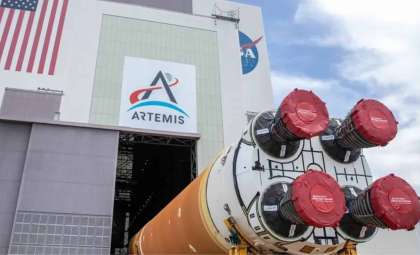
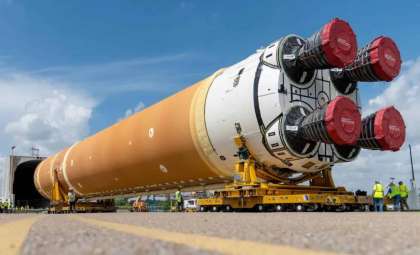
As lunar exploration accelerates with projects such as NASA’s Artemis program, this enhanced comprehension of the Moon’s interior could be pivotal. Recognizing a solid core adds complexity to lunar geology and will inform future seismic surveys on the surface.
The results also set the stage for further inquiries into the Moon’s geological formation and early history. Armed with this improved internal map, scientists can better direct upcoming studies aimed at unraveling the Moon’s role within the early Solar System. With renewed lunar interest, Briaud’s team noted, “Seismic confirmation of these findings may come sooner than expected.”
- Categories:
- Astronomy ,
- News ,
- Science ,
- Space




0 comments
Sign in to Comment