
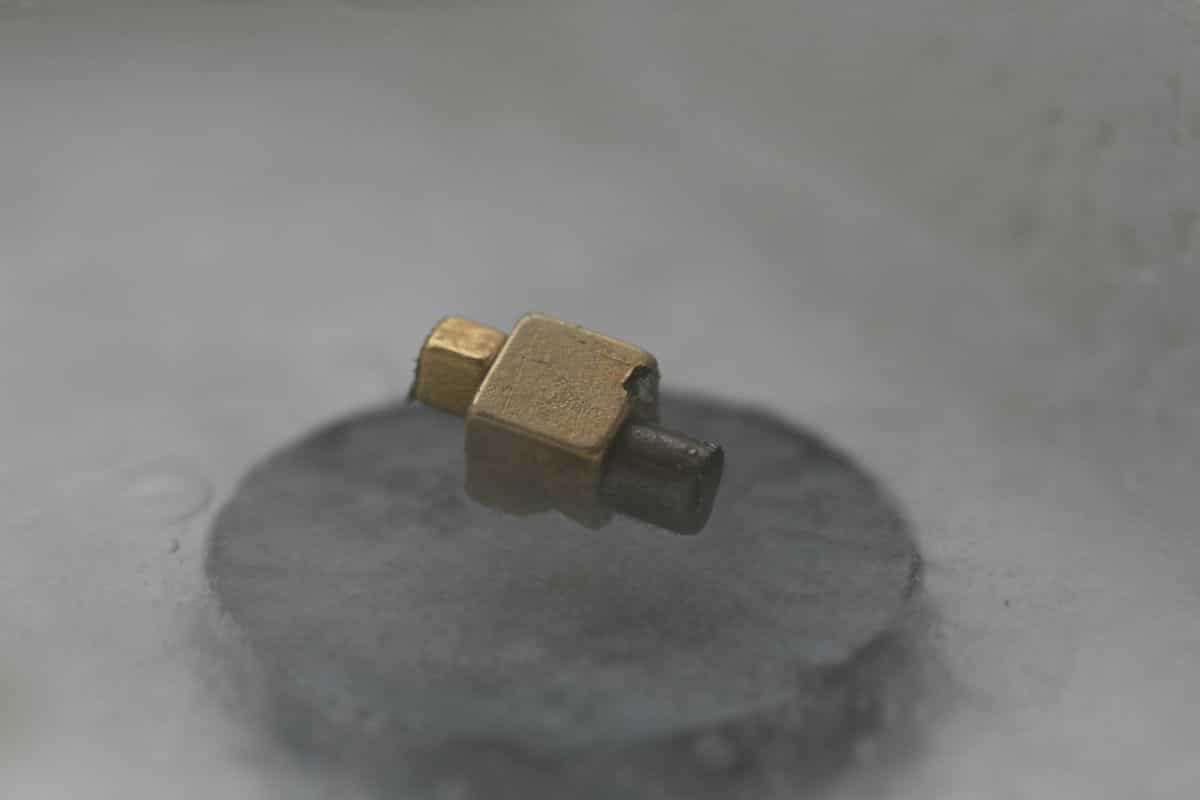
A team of Chinese scientists has made a remarkable advance in superconductivity by creating a nickel-based superconductor that functions under standard atmospheric pressure. This places nickel in an elite group as only the third material family to demonstrate superconductivity without needing extreme pressure.
Introducing a Novel Superconductor Category
Superconductors are unique materials that, when cooled below a specific temperature, show zero electrical resistance and repel magnetic fields. These qualities enable the flawless transmission of electricity, offering immense potential for various cutting-edge technologies.
Historically, only cuprates (copper oxide compounds) and iron-based materials have been known to achieve superconductivity at relatively high temperatures. The emergence of nickel-based superconductors adds a new and important class to this list.
The researchers highlight that their discovery "opens the door for in-depth studies of nickelate superconductors at ambient pressure and the pursuit of higher transition temperatures." Their findings appeared as an early-release article in the peer-reviewed journal Nature on February 17.

The Significance of This Breakthrough
This development could transform superconductivity research and its practical deployment. Most known superconductors demand extremely low temperatures or high pressures to work, which makes their real-world application both expensive and complex.
Nickelate superconductors, on the other hand, function at temperatures above minus 233 degrees Celsius (-387 °F) under everyday pressure levels. This capability might dramatically simplify the technological hurdles involved in employing superconductors.
Such progress may pave the way for tangible impacts across industries like energy delivery, medical diagnostics, and transportation. Superconductors already enable technologies such as MRI scanners, particle accelerators, and quantum computing, but greater operational temperatures and reduced costs could greatly widen their usage.
Energy and Transit Innovations
Superconductors offer exciting possibilities for electricity transmission. Conventional power grids lose significant energy through resistance in cables, whereas superconducting lines could virtually eliminate these losses, enhancing efficiency. This improvement would lower electricity costs and help cut down carbon emissions, promoting greener energy infrastructures.
Transportation is another promising field. Magnetic levitation (maglev) trains, which use superconducting magnets to hover above tracks, may become more affordable and widespread thanks to advancements in high-temperature superconductors.
Presently, maglev systems incur high expenses due to complicated cooling needed to maintain superconductivity. If superconductors that operate at higher temperatures become commercially available, the resulting cost reductions could make ultra-fast, frictionless transit more accessible.
ushering in a new phase of superconductivity
The advent of nickelate superconductors marks a pivotal moment in the ongoing quest for practical, high-temperature superconducting materials. Although there are still technical obstacles to overcome, the wide-ranging possibilities in energy, transport, and sophisticated technologies underscore the importance of this breakthrough.
Continued research could lead to superconductors that work at even warmer temperatures, ultimately integrating this revolutionary technology into everyday life and transforming how we manage electricity, travel, and energy utilization.
- Categories:
- Science












0 comments
Sign in to Comment