
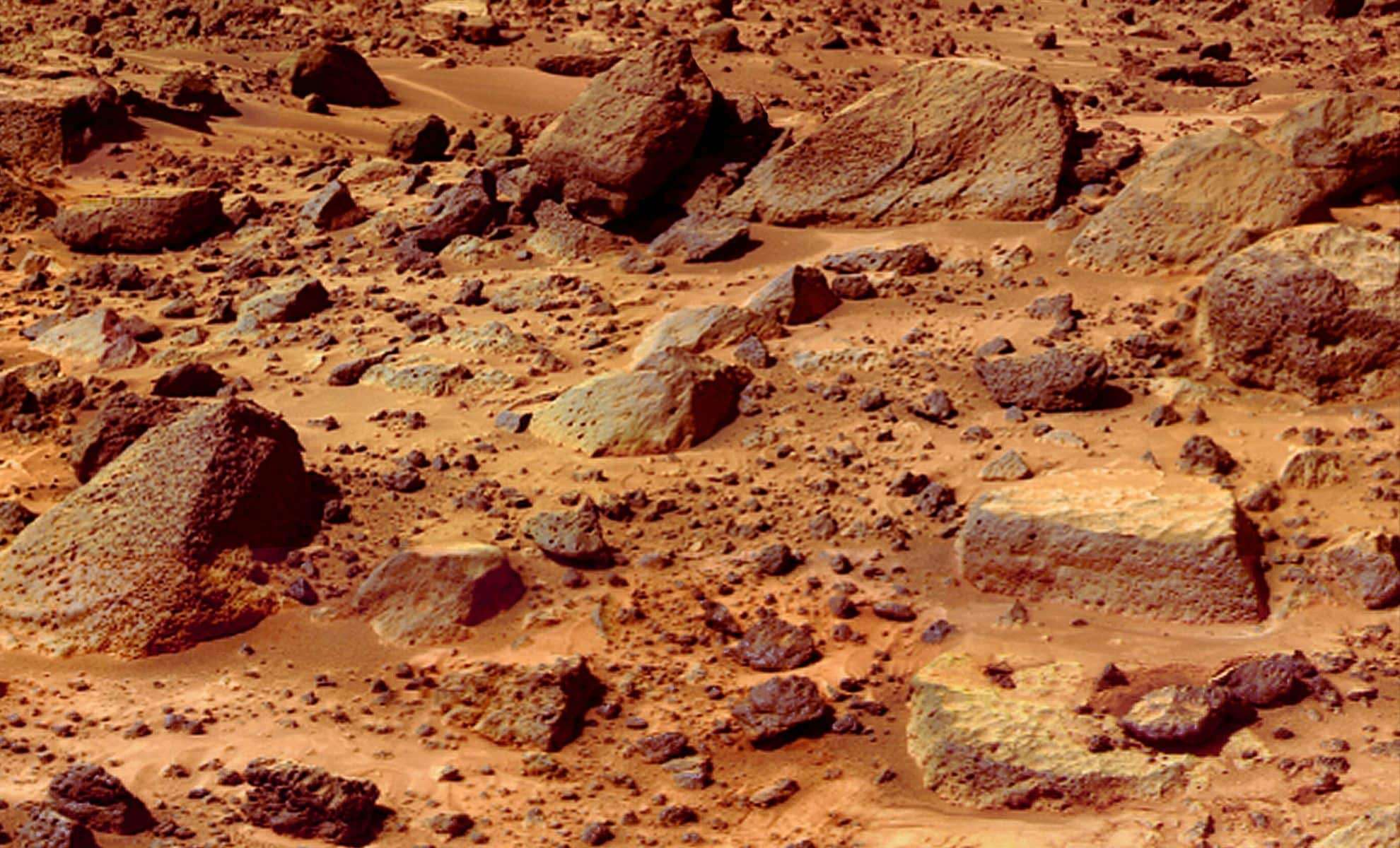
The Mars 2020 mission has reached a thrilling new phase as NASA’s Perseverance rover begins examining an untouched geological site on Mars known as megabreccia. This terrain, composed of an assemblage of large fragmented rocks, is thought to preserve valuable insights into the planet’s distant past. According to a recent update on NASA’s official blog, researching this region could vastly deepen our understanding of Mars’ ancient environment, especially concerning its early water activity and the possibilities for past life.
Defining Megabreccia and Its Scientific Importance
Megabreccia describes a geological formation consisting of enormous chunks of shattered rock, likely formed by massive asteroid impacts long ago. These rocks serve as clues to past cataclysmic collisions that reshaped Mars’ surface. In this particular case, it is believed many of these fragments are tied to the Isidis basin impact, an enormous crater roughly 1,930 kilometers across situated east of Jezero Crater.
Studying megabreccia is vital because it provides access to some of the planet’s oldest rock materials, potentially dating back billions of years, unlike the younger sedimentary layers and volcanic deposits Perseverance has previously investigated. This offers a rare peek into Mars’ primordial geological processes and early surface conditions.

Scientists anticipate that by dissecting these ancient rock fragments, they can piece together details about the Isidis impact event—how it transformed the planet’s landscape, affected its atmospheric conditions, and influenced Mars’ early potential to harbor life.
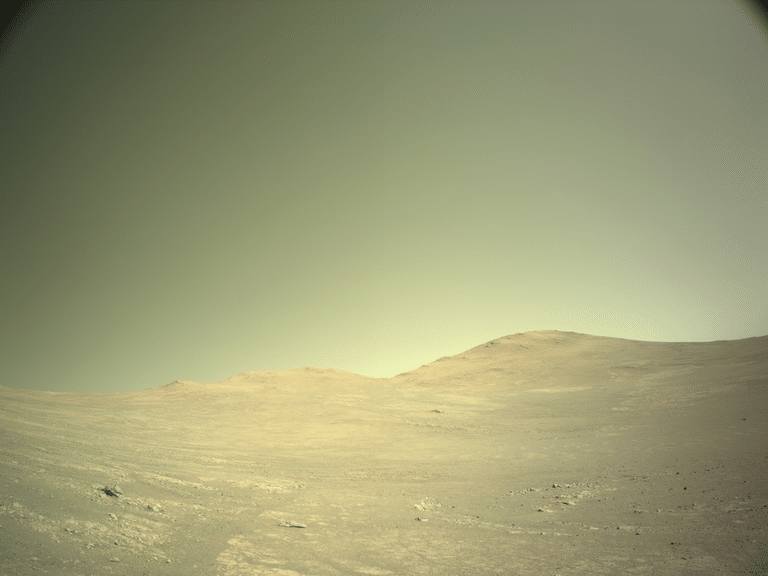
Probing Mars’ Ancient Water Through Megabreccia Exploration
The investigation of megabreccia holds the promise of uncovering critical answers about water’s role early in Mars’ history. Earlier research near Jezero Crater revealed signs of ancient flowing water in channels and lakebeds. However, megabreccia may originate from much deeper crustal layers, offering fresh perspectives on the subsurface environment of early Mars.
Exploring this area might reveal traces of old groundwater reservoirs or signs of volcanic processes beneath the surface. If some rock fragments stem from deep within Mars, the rover could unlock new information about planetary conditions during periods when water was more prevalent and perhaps when life first emerged.
These findings would be pivotal for reconstructing Mars’ habitability timeline and might challenge current views on when liquid water was accessible, greatly influencing future planetary science investigations.
Perseverance’s Advanced Approach to Studying Megabreccia
Equipped with a powerful suite of scientific instruments, Perseverance is well-prepared to decode this complex geological puzzle. Featuring a robotic arm, multiple cameras, and sophisticated spectrometers, the rover can analyze the physical makeup and chemical signatures of megabreccia samples with exceptional precision.
Currently, the rover is methodically surveying the Scotiafjellet locality, capturing detailed images and analyzing the fragments to verify their connection to the Isidis impact and explore if they predate other known geological units in Jezero Crater. These efforts could open a new chapter in Mars exploration by revealing rock samples that hold stories billions of years old, reshaping our understanding of the Red Planet’s early history.
- Categories:
- News








0 comments
Sign in to Comment