
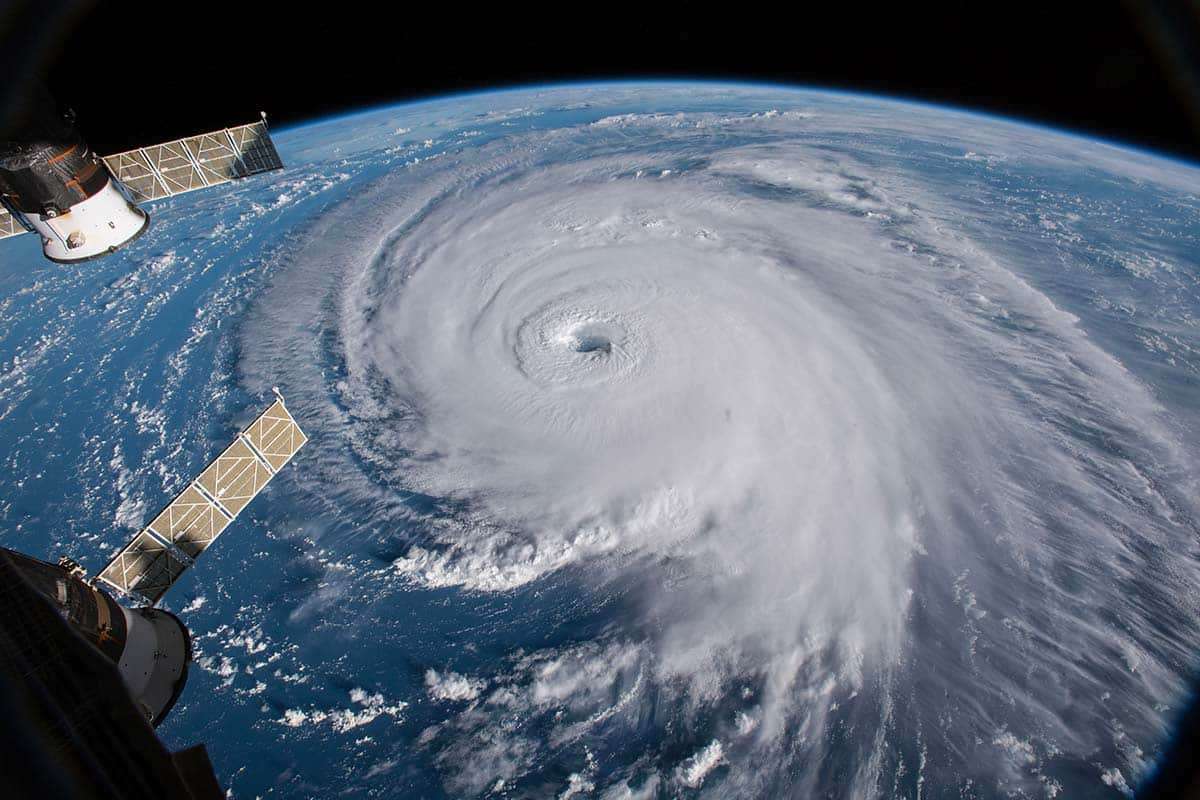
New research highlights a troubling pattern: tropical cyclones near coastlines worldwide are strengthening more rapidly, largely influenced by ongoing climate shifts.
Unpacking the Growing Hazard
Tropical cyclones—known in various regions as hurricanes or typhoons—are intense low-pressure weather systems forming between 20ºS and 20ºN latitudes. These phenomena, which do not arise from cold fronts, develop in warm, humid environments and are among the most destructive natural events, only surpassed by earthquakes in severity. A recent analysis published in Earth’s Future reveals a marked acceleration in the intensification rates of these storms, especially in proximity to coastal areas.
Faster Strengthening Near Shores
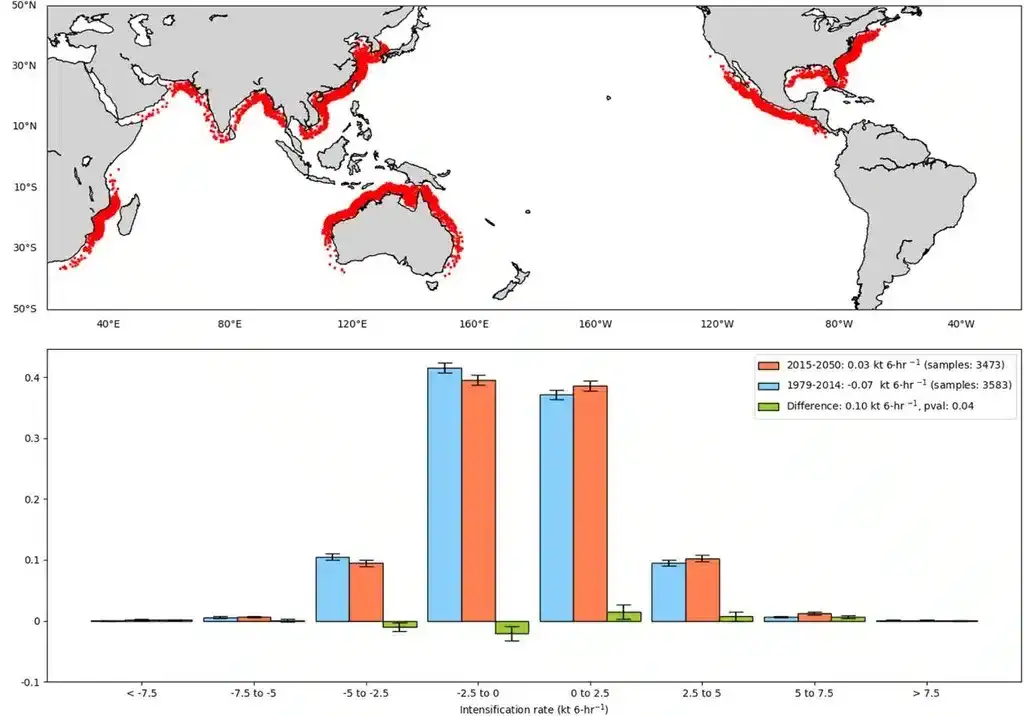
The investigation tracked how tropical cyclones have been escalating their intensity at an increased pace close to shorelines and linked this to global warming. From 1979 to 2000, cyclones intensified at approximately 0.69 km/h every six hours on average. This accelerated to around 2.13 km/h per six hours between 2000 and 2020. On a daily basis, the average intensification near coasts reached about 5.56 km/h worldwide.

Driving Forces Behind the Increase
The research identifies elevated humidity and diminished vertical wind shear as key contributors to this rapid intensification. Rising temperatures weaken the vertical wind shear—a shift in wind speed and direction at varying altitudes—which is especially evident near northern hemisphere coastlines. Warmer seas also impact atmospheric flows, weakening wind shear further. Additionally, higher temperatures enable the atmosphere to retain greater moisture amounts, fostering the conditions necessary for stronger storms.
Consequences for Coastal Populations
The trend toward more intense cyclones near coasts raises serious concerns for the safety and economies of vulnerable communities. This study emphasizes the need for meteorologists and decision-makers to grasp these evolving dynamics to enhance preparedness and response strategies.
These findings starkly illustrate how climate change is reshaping disaster profiles, reinforcing the urgency for coordinated global measures to slow these patterns. If unchecked, this shift could significantly affect coastal resilience and emergency planning worldwide.
https://agupubs.onlinelibrary.wiley.com/doi/10.1029/2023EF004230
- Categories:
- Climate change

















0 comments
Sign in to Comment