
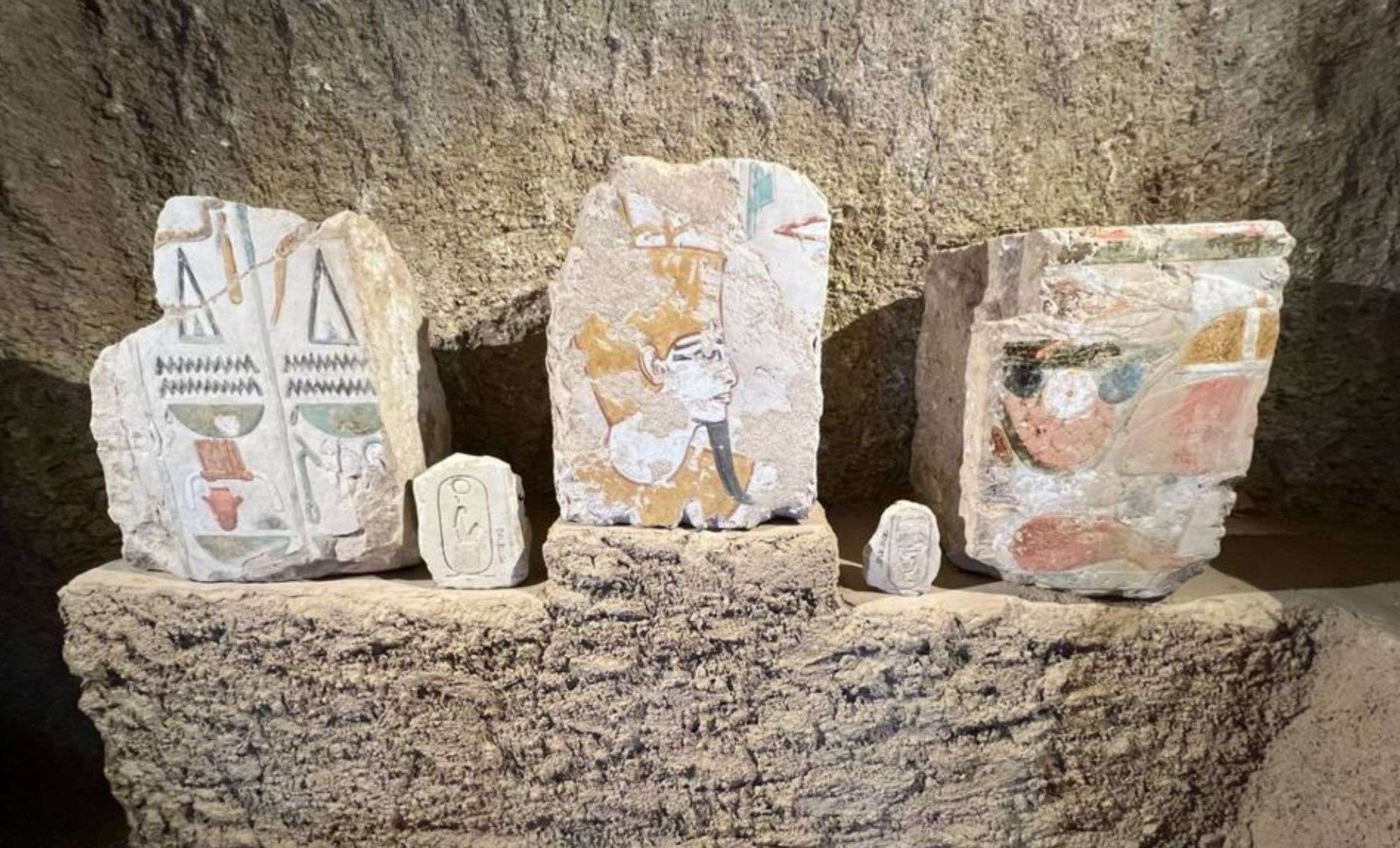
An extraordinary archaeological breakthrough near the Nile’s west bank has reignited worldwide interest in ancient Egyptian heritage. At the famed Deir el-Bahari necropolis in Luxor, experts have uncovered a remarkable collection of artifacts dating back some 4,000 years. This array includes rock-hewn tombs, ceremonial objects, and elaborately carved stones from the funerary temple of Queen Hatshepsut. Spanning the Middle Kingdom through the peak of the 18th dynasty, these findings reveal fresh perspectives on Egypt’s political and cultural landscape between 1650 BC and 1292 BC.
The extensive three-year dig has been spearheaded by esteemed Egyptologist Dr. Zahi Hawass alongside the Egyptian Supreme Council of Antiquities. Their work has unveiled the magnificent legacy of ancient Egyptian civilization, offering new evidence to redefine historical narratives while bolstering Egypt’s tourism by bringing ancient wonders to visitors worldwide.
Revealing the Majestic Past
Excavations at Deir el-Bahari have brought to light a wealth of artifacts representing successive dynasties, confirming the site’s pivotal role in history. Among the standout discoveries is the excavation of the foundational remains of Queen Hatshepsut’s valley temple. This architectural marvel, commissioned to honor one of Egypt’s most influential female pharaohs, has been found remarkably preserved. Archaeologists uncovered more than 1,500 decorated blocks adorned with vivid paintings and detailed bas-reliefs illustrating sacred rituals performed by Hatshepsut and her successor, Thutmose III.

“This is the most beautiful scene I have ever seen in my life,” said Dr. Hawass, emphasizing the significance of the find. “This is the first time that we have a final program of the decoration of a temple dating to the 18th dynasty.”
The blocks depict ceremonial scenes underscoring the queen’s role in sustaining divine harmony and solidifying her divine kingship. Beneath the temple’s base, the team found ceremonial instruments inscribed with Queen Hatshepsut’s name, offering further evidence of her grand architectural vision and the spiritual practices guiding the afterlife. These items shed light on the religious beliefs and customs that influenced ancient Egyptian society and reinforce the queen’s significance as a trailblazer in monumental construction.
Middle Kingdom Tombs and Treasures
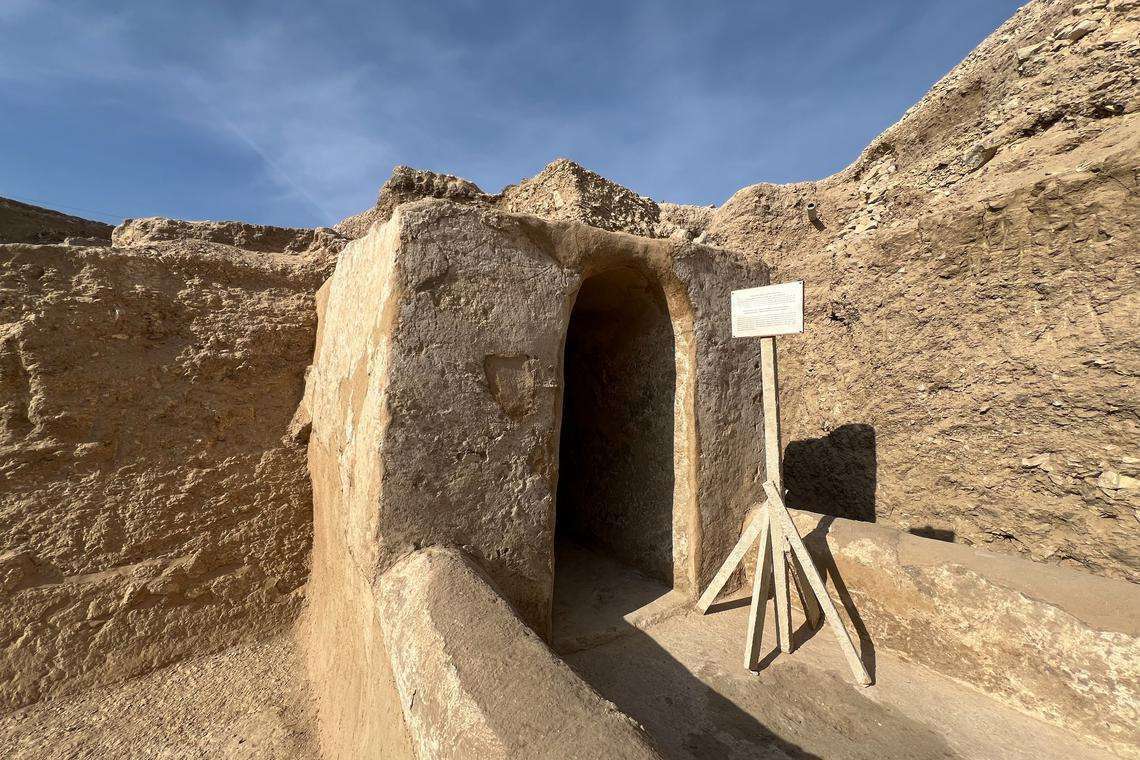
In addition to the splendor of Queen Hatshepsut’s temple, archaeologists uncovered notable artifacts spanning the Middle Kingdom, celebrated for its artistic revival and political consolidation. Among the remarkable discoveries are exquisite rock-cut tombs of elite officials, including the burial site of the “Overseer of the Palace” serving Queen Tetisheri, grandmother to King Ahmose I. Ahmose I is recognized for his campaigns that expelled Hyksos rulers and unified the country, setting the stage for the New Kingdom’s rise.
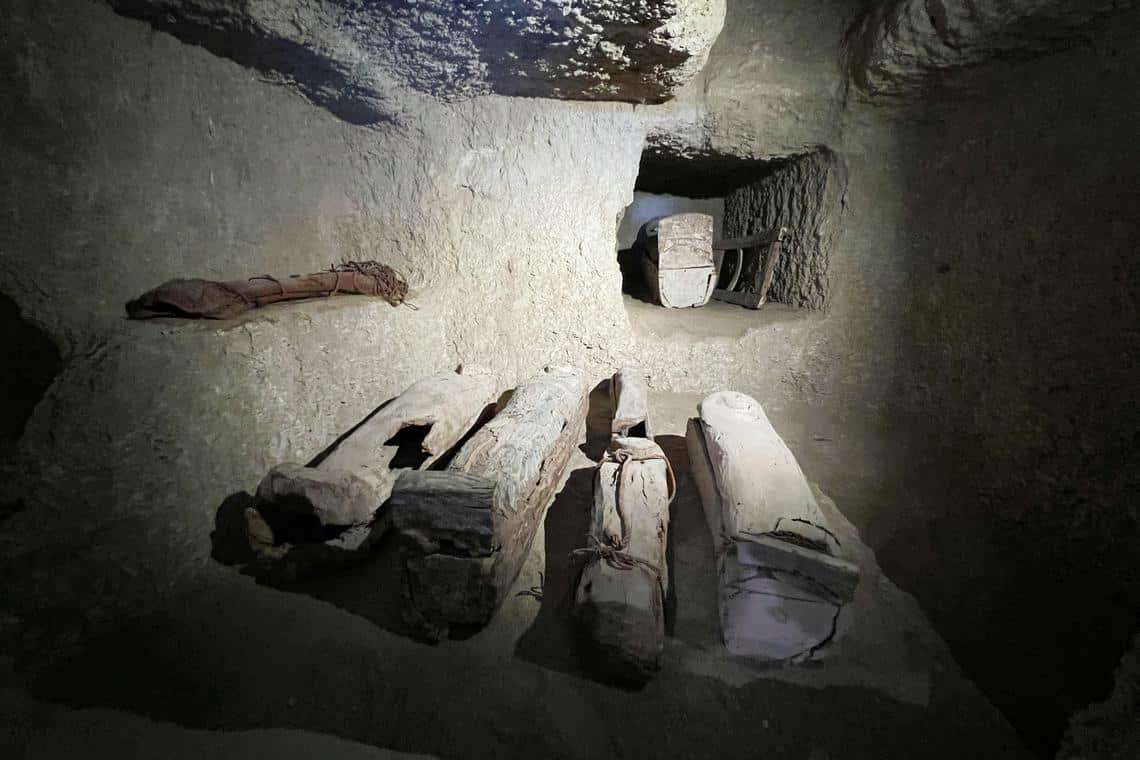
These cliff-hewn tombs provide rare insights into the status and daily lives of Egypt’s high society. Inside, archaeologists found finely crafted wooden coffins embellished with feather motifs characteristic of 17th dynasty funerary art. Nearby children’s burial sites contained miniature toys and personal belongings, offering touching evidence of family life and beliefs around the afterlife across generations.
The collection reflects the persistence of funerary traditions, evolving artistic techniques, and spiritual concepts that defined Egyptian culture. These tombs further emphasize Luxor’s central role as a political and religious hub hosting the final resting places of many prominent rulers.
Unlocking Egypt’s Historical Legacy
The array of finds at Deir el-Bahari highlights Luxor’s stature as a vital center of ancient Egyptian civilization. Queen Hatshepsut’s funerary temple, admired for its pioneering architecture and intricate design, exemplifies the ambition and accomplishments of one of history’s most formidable female leaders. The discovery of ceremonial implements and artistic blocks deepens knowledge of her reign and temple-based rituals.
Equally important are the Middle Kingdom burial chambers, shedding light on Egypt’s shifting political environment during the Hyksos era. These relics showcase the durability and adaptability of Egyptian culture during turbulent times, emphasizing the significance of leadership and cultural preservation.
Enhancing Archaeology and Tourism Prospects
This landmark discovery arrives at a crucial moment as Egypt focuses on revitalizing its tourism sector—a major economic pillar. In 2024, the country welcomed 15.7 million visitors, and officials anticipate reaching 18 million tourists in 2025. Discoveries such as those at Deir el-Bahari enrich historical scholarship and captivate global audiences, encouraging more travelers to experience Egypt’s timeless heritage.
The newly revealed artifacts and tombs are set to become key highlights, strengthening Egypt’s standing as a leading destination for cultural tourism. The announcement has already generated broad enthusiasm among historians, archaeologists, and the public alike.
Piecing Together Egypt’s Past through New Discoveries
Ongoing excavations promise to transform our understanding of ancient Egyptian history. From the visionary constructions of Queen Hatshepsut to the resilience demonstrated by Middle Kingdom elites, these finds offer a more detailed and vibrant portrait of the civilization that influenced the ancient world.
The synergy of cutting-edge technology with classical archaeological techniques has been essential in unearthing this trove, underscoring the continuing importance of Luxor’s necropolis for uncovering Egypt’s historical narrative. Each new artifact not only reveals secrets from the distant past but also helps preserve a legacy that endures through centuries—a testament to one of humanity’s greatest civilizations.
- Categories:
- News









0 comments
Sign in to Comment