
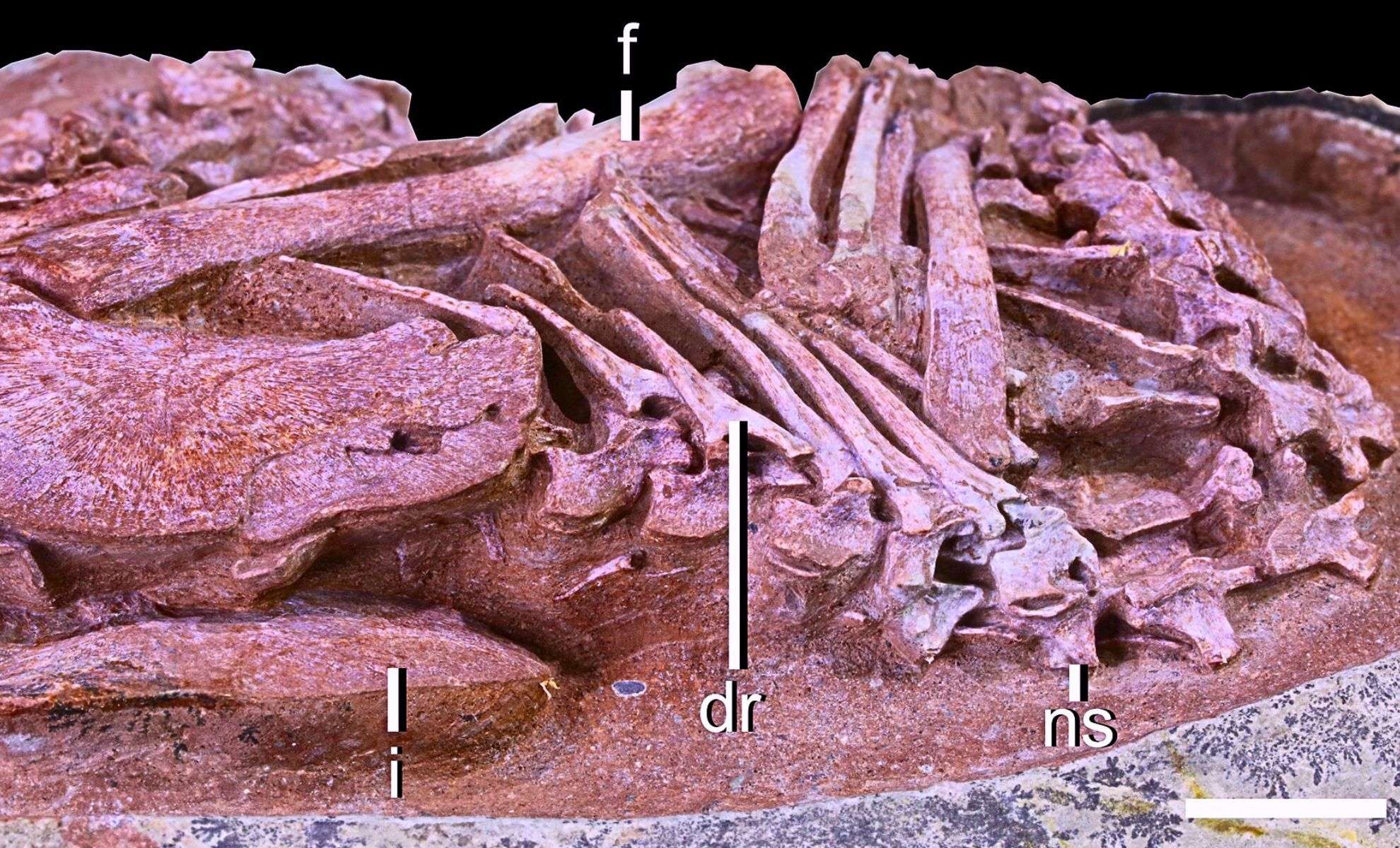
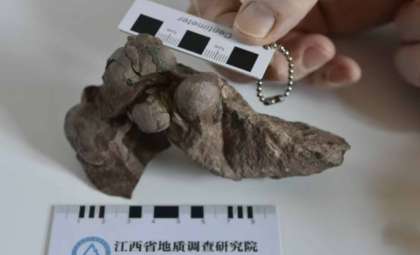
A newly unearthed fossil of an oviraptorid embryo, affectionately named Baby Yingliang, offers an exceptional window into the evolutionary emergence of bird-like behaviors in dinosaurs. Unearthed from the Hekou Formation in southern China, this specimen dates back to the Late Cretaceous period, roughly 66 to 72 million years ago, and ranks among the most well-preserved dinosaur embryos discovered to date. The fossil provides strong indications that key hatching behaviors seen in today’s birds originated far earlier in the lineage of non-avian theropods.
Distinctive Fossil Posture
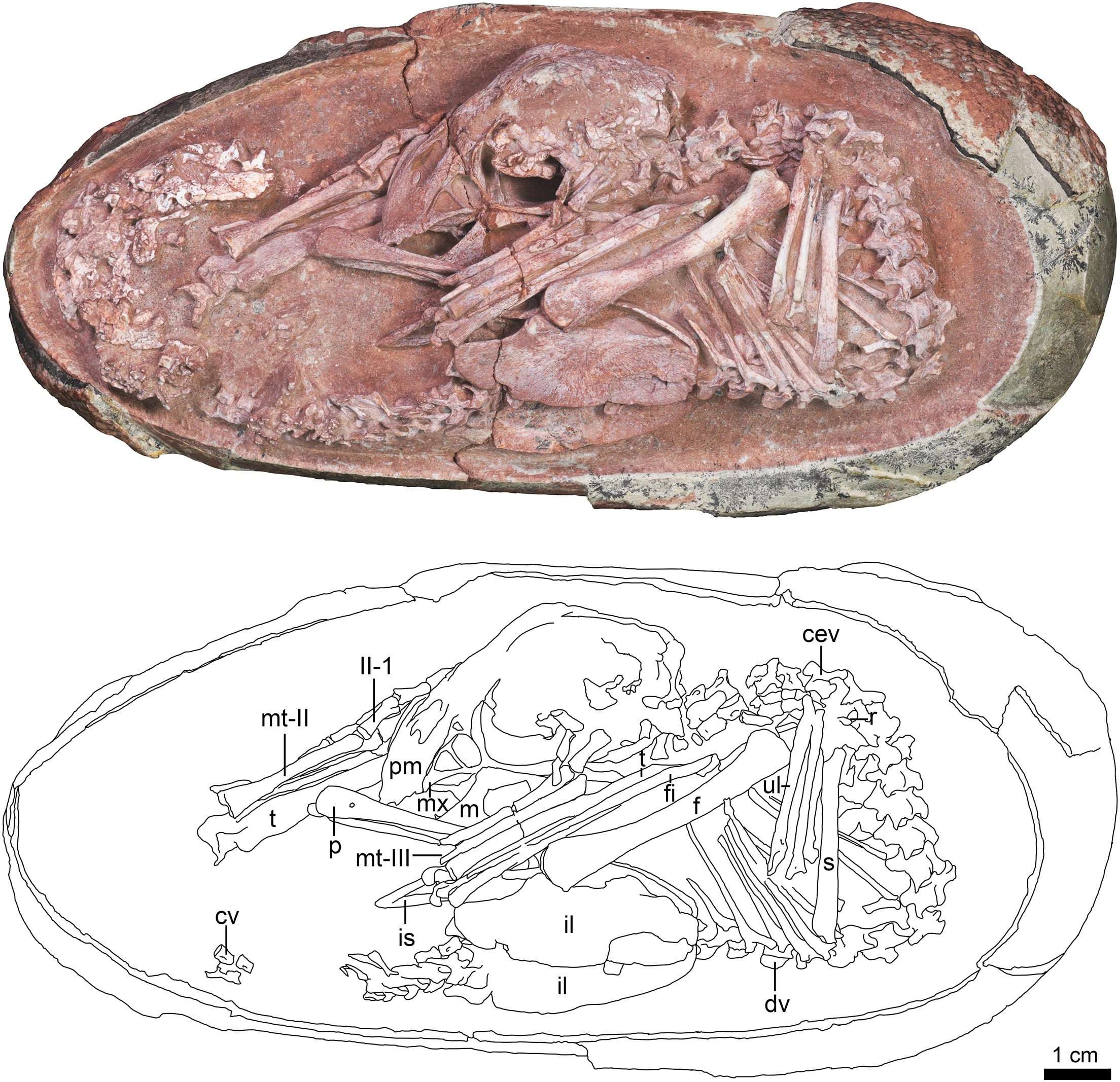
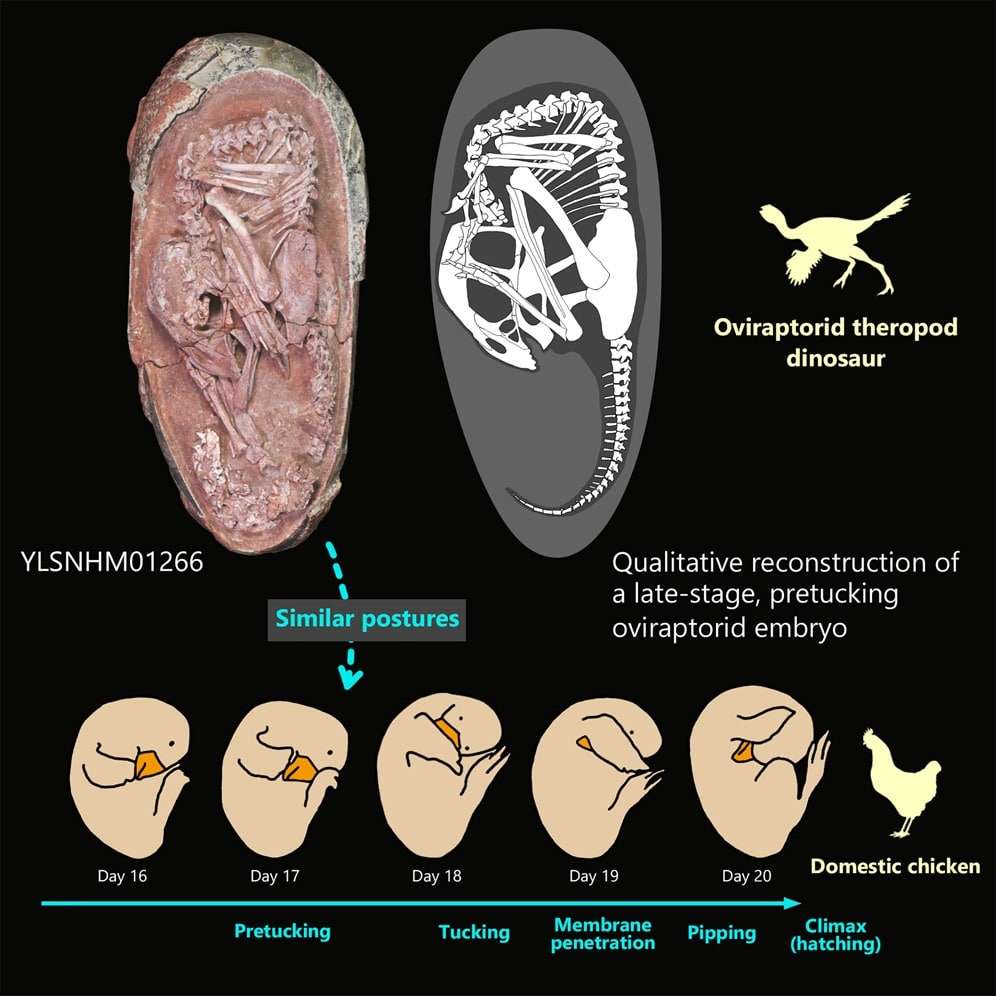
Encased within an elongatoolithid egg, the embryo displays an articulated skeleton in a rare and detailed preservation. The head rests beneath the body, with both feet symmetrically flanking the sides while the back arches toward the broader end of the egg. This configuration closely mimics the tucking posture characteristic of late-stage bird embryos, a vital adaptation that facilitates successful hatching.
The Importance of Tucking
Tucking involves a series of coordinated movements controlled by the central nervous system. In extant birds, it helps the developing embryo position itself optimally to break out of the eggshell. Birds that do not achieve this posture often fail to hatch. The identification of a similar pose in Baby Yingliang implies that this behavioral trait likely originated in non-avian theropods such as oviraptorids, and was subsequently passed down to modern birds.

Implications for Evolutionary Biology
This discovery challenges previous beliefs that bird-specific behaviors evolved only after avian species emerged. Scientists suggest that tucking might have deeper evolutionary origins. Comparisons of Baby Yingliang with other oviraptorid embryos reveal that avian-like postures likely developed in the late stages of incubation, predating the rise of modern birds by millions of years.
The research further argues that prehatching movements controlled by the central nervous system were crucial for survival among non-avian theropods. Though not identical to those in birds, these movements reveal a shared behavioral foundation linking theropods and their avian descendants.
A Landmark Discovery with Wide-Ranging Impact
Preserved at the Yingliang Stone Nature History Museum, Baby Yingliang stands as a precious example of an articulated dinosaur embryo still in its egg. Its exceptional preservation allows researchers to scrutinize embryonic development and behavior, shedding light on the evolutionary steps that shaped characteristics now familiar in birds.
The rarity of such finds is acknowledged by the authors, who urge the discovery of more specimens to test these evolutionary theories. Future discoveries will help determine whether such behaviors were pervasive throughout theropods or confined to specific lineages like oviraptorids, clarifying the evolutionary trajectory of dinosaur reproductive strategies.
Connecting Ancient Dinosaurs to Modern Birds
The revelation of Baby Yingliang highlights a fascinating evolutionary link between dinosaurs and contemporary birds, emphasizing the continuity of both physical traits and life-sustaining behaviors. By demonstrating tucking in a non-avian theropod, this study provides strong support for the idea that birds are living dinosaurs, inheriting critical survival behaviors from their ancient ancestors.
As paleontologists continue to uncover new fossils, Baby Yingliang marks a significant step in understanding how dinosaur embryology shaped avian evolution, reinforcing the deep evolutionary ties bridging past and present.
The full study is available in iScience.
- Categories:
- Science





0 comments
Sign in to Comment