
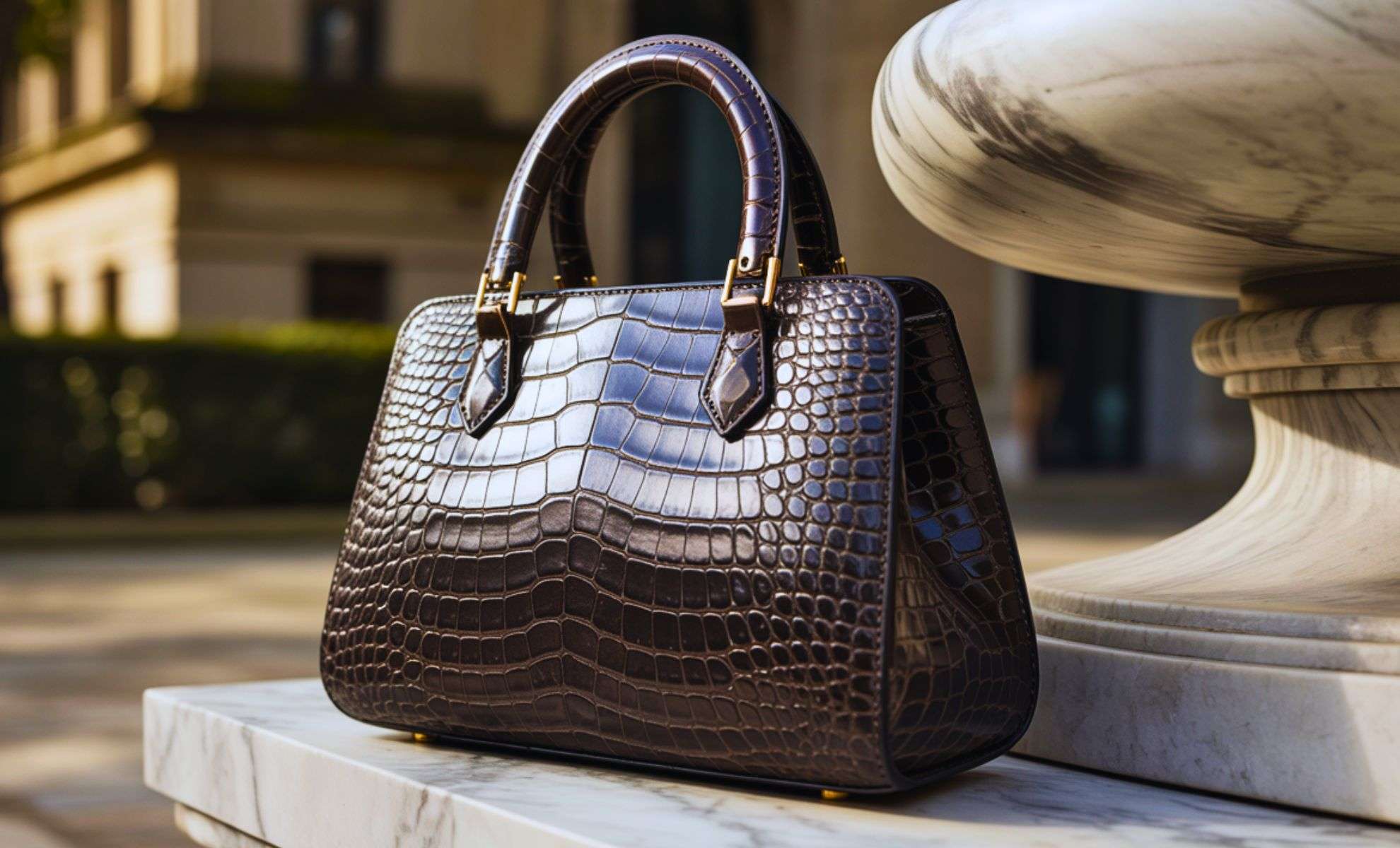
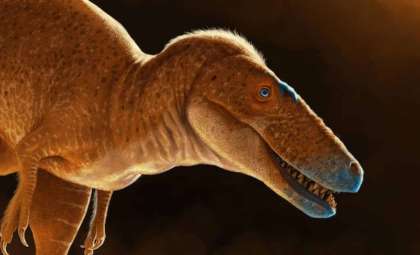
At a pioneering biotech laboratory in London, scientists have realized a vision once confined to science fiction: cultivating a fabric derived from Tyrannosaurus rex DNA and crafting it into high-end handbags. This innovative venture, a partnership between VML Lab-Grown Leather Ltd and The Organoid Company unveiled in early 2025, merges the fields of paleogenetics, synthetic biology, and luxury fashion, sparking ongoing debates among ethicists and researchers alike.
The initiative originated as a biomimetic experiment, utilizing fossil collagen fragments as a blueprint to develop a novel eco-friendly leather alternative. Scientists report having extracted ancient protein sequences from T. rex fossils and completing the missing genetic information by integrating avian DNA, given that birds are the closest modern relatives of dinosaurs. The cultivated tissue is said to replicate the dense, fibrous, and reptilian texture that prehistoric skin would have exhibited some 65 million years ago.
The upcoming collection, named “Jurassic Leather,” is intended not simply as fashion items but as rare biotechnological collectibles. Production is limited to a few hundred pieces, and early interest from elite fashion houses suggests potential licensing deals for this groundbreaking material.

Transforming Ancient Biomolecules into Contemporary Materials
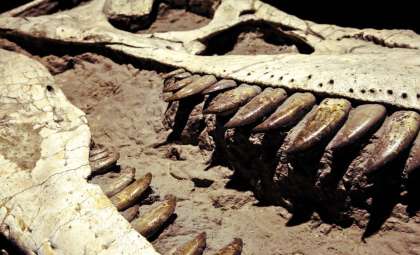
This scientific leap builds on foundational work in molecular paleontology that dates back nearly twenty years. In 2005, led by Mary Schweitzer at North Carolina State University, researchers discovered soft tissue remnants and collagen-like structures inside a T. rex femur. These observations, published in Science and corroborated later in Proceedings of the Royal Society B, revealed that ancient biomolecules may endure far beyond previous estimates, particularly when preserved within mineral matrices.
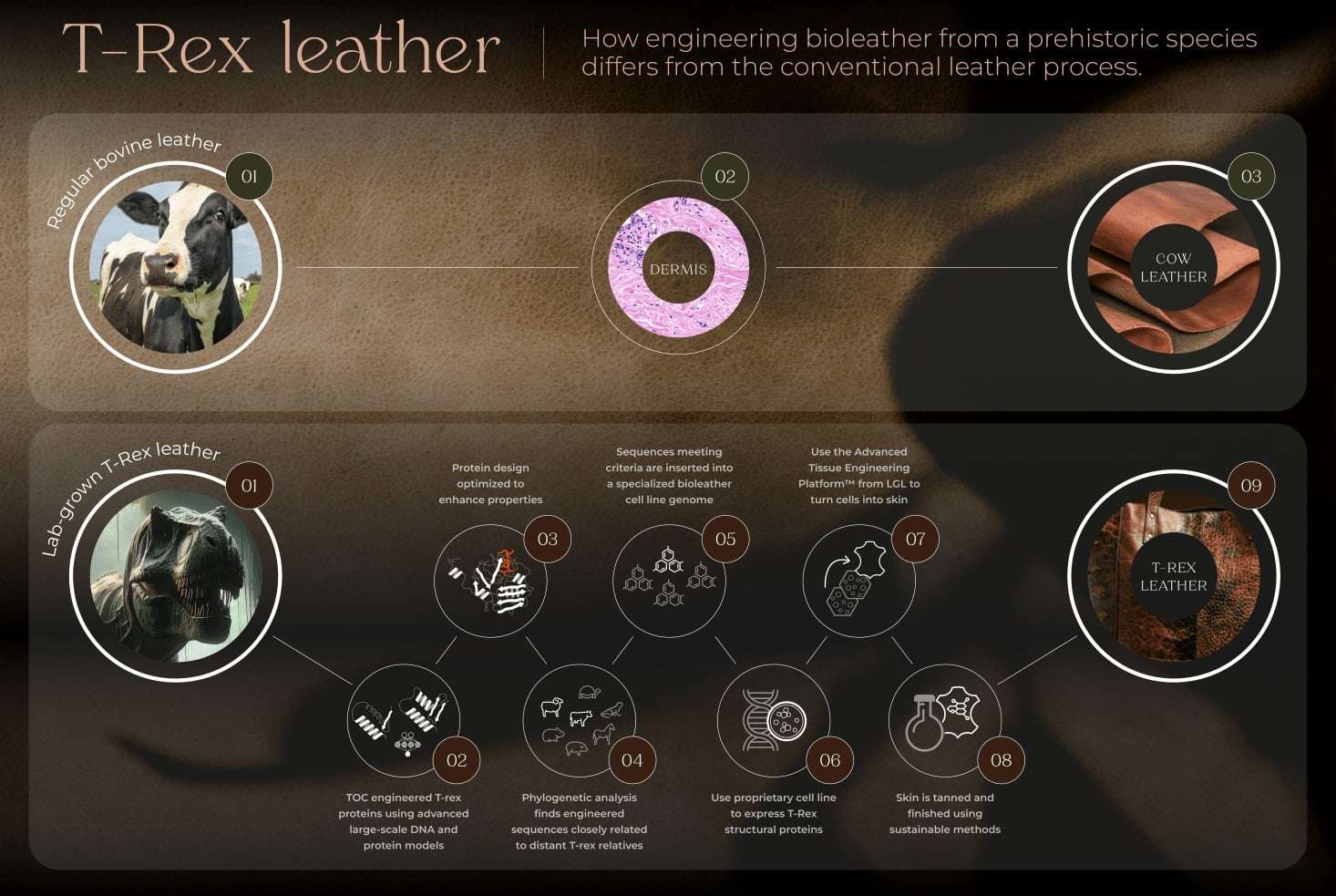
VML’s methodology advances these insights. Employing cutting-edge mass spectrometry, they identified minute peptide sequences consistent with collagen in multiple T. rex fossils. Using sophisticated AI-guided genomic reconstruction, missing fragments of the protein chains were predicted by comparing genomes of modern birds and reptiles, approximating the extinct dinosaur’s original amino acid arrangement.
The recreated genetic blueprint was then introduced into engineered fibroblast cultures, stimulating the production of collagen-rich tissue sheets. Once treated and processed, this material exhibited comparable strength and texture to traditional bovine leather—all achieved without animal farming or byproducts.
Ethical Considerations Surrounding Ancient DNA
While the scientific community has praised this breakthrough, it has also sparked ethical debates regarding biotechnology’s commercial applications. Experts like Dr. Julia Serano from the University of Cambridge warn that “commercializing extinct genetic sequences confronts existing standards in genomic research.” Global bioethics authorities, including UNESCO’s International Bioethics Committee, currently lack explicit rules governing the use of ancient DNA in consumer products.
Some skeptics challenge the authenticity of the direct use of T. rex peptides, citing concerns from organizations such as the National Center for Biotechnology Information (NCBI) about contamination and degradation that complicate the sequencing of ancient proteins. VML counters that they employ only “reconstructed molecular analogues” without reviving any original dinosaur cells or living organisms at any stage.
Industry observers view this innovation as part of a growing trend in biofabricated materials. Companies like Modern Meadow and VitroLabs have already proven the commercial viability of lab-grown leather derived from animal cells, positioning prehistoric biomimicry as a symbolic evolution in sustainable material science.
Luxury Market for Engineered Biotech Goods
VML and The Organoid Company have yet to disclose pricing or detailed production plans, but insider reports hint that the initial batch of Jurassic Leather handbags will be capped at under 200 units. Each will feature a digital certificate documenting the genetic reconstruction process and molecular specifications.
Market experts predict these exclusive handbags could command prices upwards of $50,000, fueled by collector enthusiasm and the novelty of genetically engineered luxury items. Success here may accelerate the integration of genetic artistry as a new marker of exclusivity in high fashion.
In related research, teams at Kyoto University and the University of California, Davis are investigating similar biomaterial fabrication methods using mammoth keratin and Neanderthal peptides for textiles and medical uses, respectively. A 2024 report from the U.S. National Human Genome Research Institute highlights this emerging field of "molecular heritage reconstruction," leveraging extinct DNA data to develop durable, sustainable materials.









0 comments
Sign in to Comment