
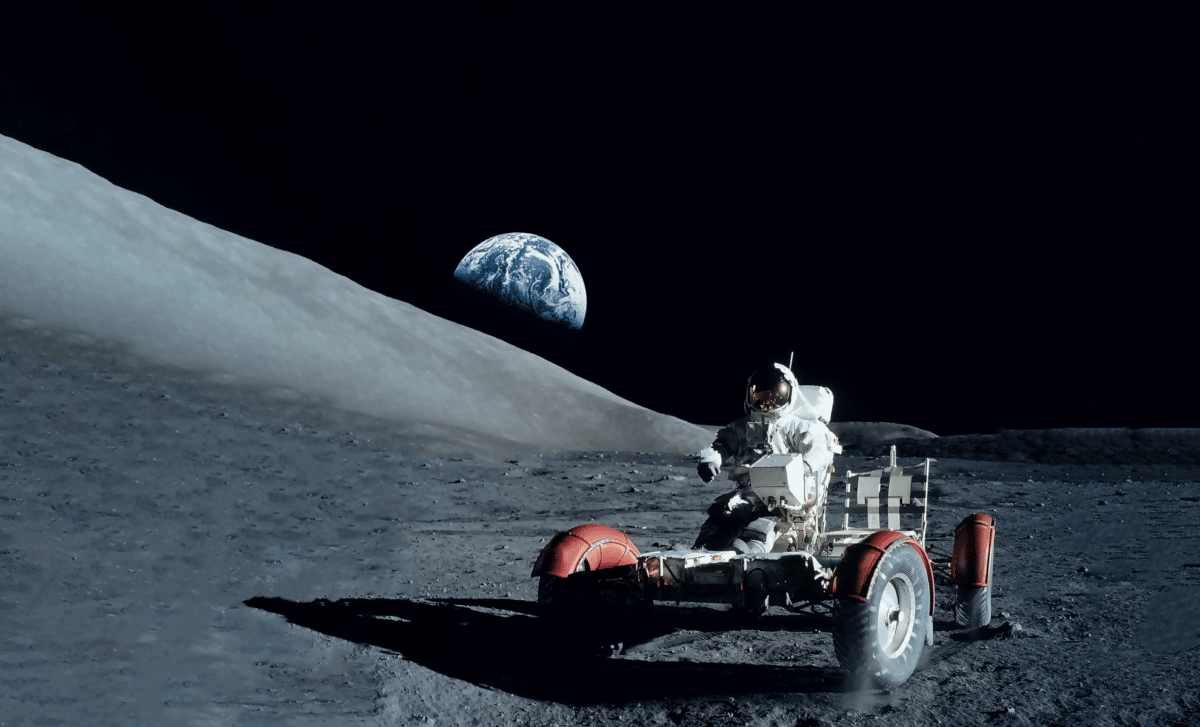
Researchers and engineers are pioneering techniques to convert the Moon’s frozen water into rocket propellant, potentially revolutionizing space exploration. Both the US and China aim to establish permanent settlements at the lunar south pole, an area believed to harbor abundant ice deposits. This resource could sustain astronauts, support agriculture, and crucially, supply fuel for missions to Mars and beyond—cutting down the need to launch everything from Earth.
The Importance of the Lunar South Pole
The Moon’s south pole has emerged as a prime focus in upcoming space missions. Unlike the sunlit regions visited during Apollo, this area contains craters that remain shrouded in darkness, preserving ancient ice for billions of years. Scientists see these shadowed regions as key to maintaining continuous human presence outside Earth.
Julie Stopar, senior scientist at the Lunar and Planetary Institute, explains, “These sites offer the highest likelihood of abundant water resources usable for future missions.” However, the environment is harsh, with temperatures dropping below -400°F and rugged terrain posing challenges for astronauts and robotic explorers alike. Nevertheless, accessing this frozen water is critical to transforming the Moon into a sustainable space outpost.

Where the Lunar Ice Actually Hides
Contrary to popular belief, lunar water isn’t found in large ice sheets but is interspersed within the soil. “The ice is trapped as tiny particles within the dusty surface layer,” says Stopar. In certain locations, there might be thin frost, but that’s insufficient for large-scale extraction. To retrieve water, the moon soil must be heated to release moisture trapped inside.
George Sowers, mechanical engineer at the Colorado School of Mines, details the process: “If near-surface ice is present, applying heat directly allows vapor to be captured beneath a tent-like structure. The released water vapor is then refrozen in cold traps for storage.” While this method is intricate and gradual, it has the potential to transform lunar resource utilization.
Converting Water Into Propellant: Electrolysis and the MOXIE Success
The conversion of water into rocket fuel is straightforward chemistry—splitting H2O into hydrogen and oxygen gases through electrolysis, both essential components for rocket propulsion. The real challenge is implementing this on the Moon where power is limited and conditions are extreme.
A spokesperson for NASA’s Mars rover Perseverance highlights the accomplishments of MOXIE (Mars Oxygen In-Situ Resource Utilization Experiment), which efficiently extracted oxygen from the Martian atmosphere’s carbon dioxide—a breakthrough for sustainable planetary missions.
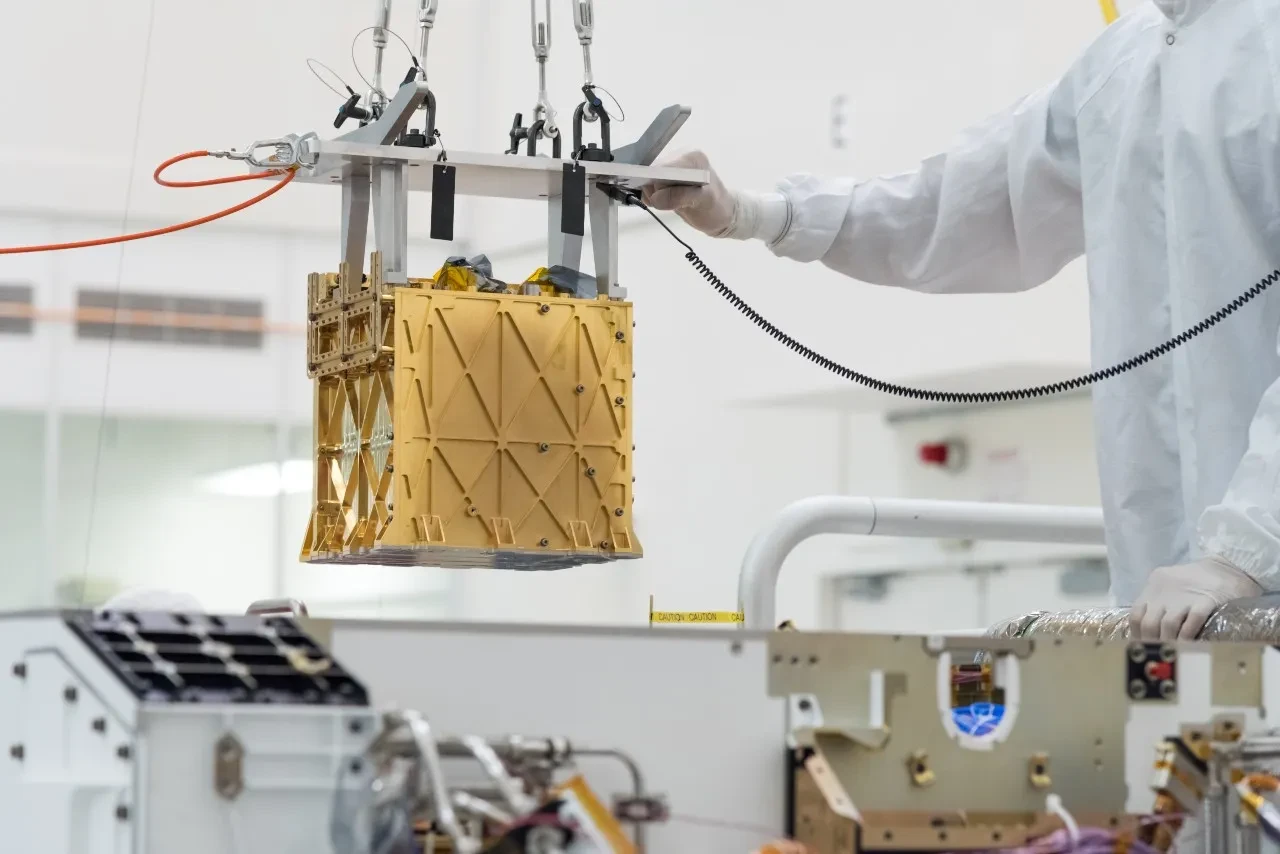
Building on MOXIE’s achievements, lunar missions plan to refine water purification before electrolysis. The key will be scaling up power systems strong enough to endure the Moon’s severe environment and produce liquid hydrogen and oxygen at usable quantities.
Driving the Next Era of Space Industry
This innovation is not just about chemical reactions but a strategic shift in space logistics. Transporting fuel from Earth remains costly due to Earth’s gravity, while the Moon’s lower gravity and vacuum ease rocket launches. Sowers emphasizes, “Having ample propellant on the lunar surface could revolutionize how we operate in space. Water is space’s equivalent of oil.”
NASA estimates that harnessing Moon-derived fuel could slash Mars mission costs by up to $12 billion. Additionally, lunar fuel could operate rovers, life support, and construction machinery on the Moon, laying the groundwork for permanent colonies. Refueling spacecraft on the Moon instead of Earth would render space travel more economical and frequent.
However, competition for lunar resources is brewing. As noted by National Geographic, both China and the United States are vying for the same shadowed polar zones. With water poised to become the most prized commodity in space, tensions over access may arise. “There might be a conflict at some point,” warns Zabel, underscoring that the Moon has shifted from a scientific curiosity to a potential hotspot for future space operations.
- Categories:
- Astronomy





0 comments
Sign in to Comment