
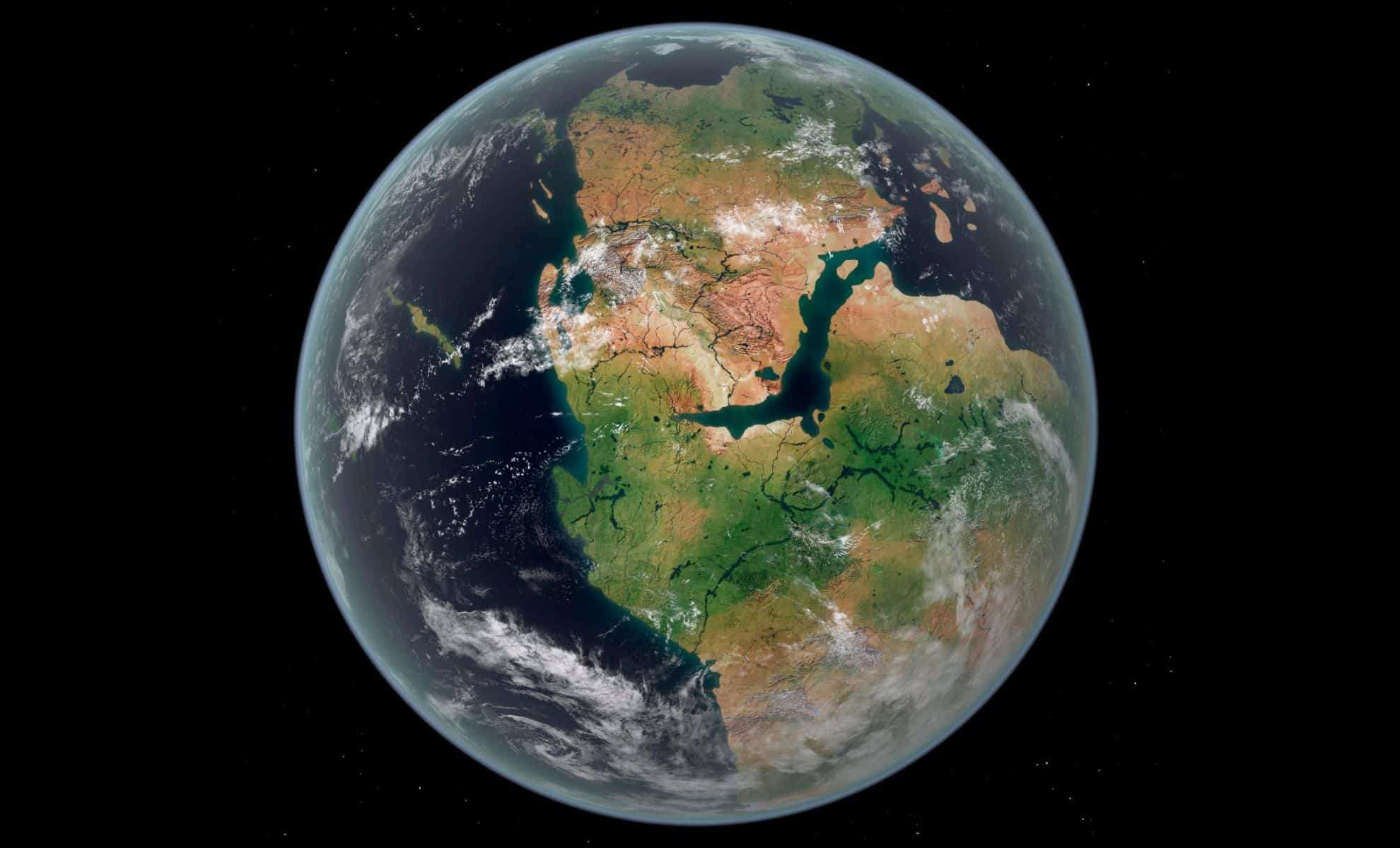
Recent groundbreaking findings are overturning the traditional view of Earth's continental count. For decades, the planet has been known to have seven continents; however, innovative research suggests the true number might be six. This revelation is grounded in compelling geological data discovered beneath Iceland, indicating that tectonic plate interactions there are still active. Such insights could transform how scientists interpret Earth's geological history and guide future resource exploration. Explore the fascinating implications of this discovery below.
New Geological Insights from Beneath Iceland
Dr. Jordan Phethean of the University of Derby and his international team carried out an extensive study focusing on the intricate geology of Iceland. Their research challenges the earlier belief that the North American and Eurasian tectonic plates have fully separated. While it was previously thought that this division finalized around 52 million years ago, current evidence reveals that the rifting process is still ongoing. “They are, in fact, still stretching and in the process of breaking apart,” Dr. Phethean explained, marking a significant update in our comprehension of regional tectonic dynamics.
Through the use of seismic readings and comprehensive geological surveys beneath Iceland’s volcanic terrain, researchers uncovered traces of what might be a submerged continental fragment. These remnants potentially belong to a larger ancient landmass, reshaping current models of continental evolution and tectonic activity.

Rift Formation and Hidden Continents
A noteworthy comparison has emerged between tectonic activity in Iceland and the Afra region in East Africa. Both areas exhibit active crustal stretching, resulting in the emergence of new landforms, including prospective microcontinents. Known as rift tectonics, this process has been studied extensively in the East African Rift, but its identification in Iceland signifies a remarkable finding for geologists.
“I like to think of this concept as the Earth Science equivalent of finding the Lost City of Atlantis,” said Dr. Phethean. This metaphor captures the excitement surrounding the discovery of a hidden landmass beneath Iceland and its connection to ancient tectonic shifts. The finding opens exciting avenues for research into how continents develop and transform over geological timescales.
Active Tectonic Evolution Beyond Plate Boundaries
A critical revelation from the study is that rifting and the generation of microcontinents are not purely historical events but ongoing phenomena. Dr. Phethean emphasizes, “Rifting and microcontinent formation are ongoing phenomena.” This counters previous assumptions that tectonic activity in certain locales had ceased, underscoring Earth's continuous geological dynamism.
The findings suggest that the North American and Eurasian plates remain incompletely divided, and the processes that shaped today's continents are still in progress. Recognizing this perpetual tectonic activity could revolutionize interpretations of Earth's geological past and expectations for its future changes.
Impacts on Geological Research and Resource Management
This discovery not only reshapes our understanding of plate tectonics but also influences how scientists approach the study of geological phenomena like subduction, continental drift, and microcontinent development. Iceland’s active volcanic and geothermal landscape positions it as a strategic region for exploring how such processes affect natural resource distribution.
Moreover, recognizing continuous rifting could improve risk assessments in tectonically active areas, influencing urban planning, infrastructure resilience, and earthquake preparedness. The possibility of uncovering other hidden or forming landmasses beneath the oceans prompts new directions in geological exploration.
Redefining Our Planet’s Dynamic Landscape
This innovative perspective on Earth’s continental structure urges experts to reconsider traditional classifications and deepen their understanding of ongoing tectonic influences. By studying regions like Iceland, where plate interactions remain vibrant, scientists are gaining valuable insights into the continual reshaping of Earth’s surface long after the initial continental separations.
As Dr. Phethean and his collaborators pursue further investigation into Iceland's concealed landforms and other tectonically active zones, geology stands on the brink of transformative discoveries. This enhanced comprehension of Earth’s continents promises to shed light on our planet’s history and guide future scientific and practical endeavors.
- Categories:
- News






0 comments
Sign in to Comment