

On October 30, 2024, SpaceX achieved two consecutive satellite launches, significantly advancing its Starlink network. The mission launched from Cape Canaveral represented a major milestone during an intense year for the aerospace pioneer.
Details of the Latest Starlink Launch
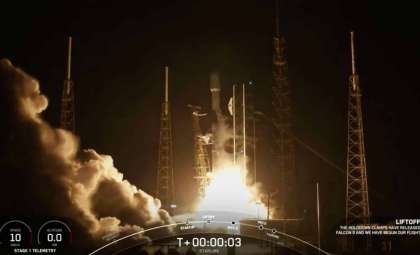
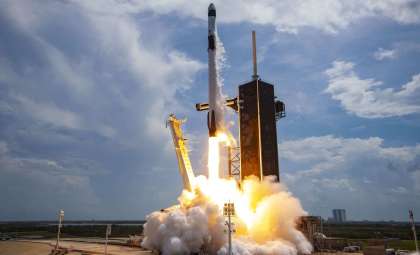
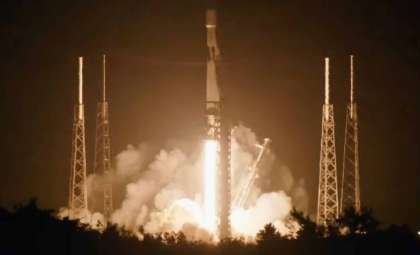
At 5:10 p.m. EDT, SpaceX’s Falcon 9 rocket rose from Launch Complex 40 at Cape Canaveral Space Force Station, delivering 23 new Starlink satellites into orbit. This launch was classified under Group 10 of Starlink deployment. Approximately eight minutes after liftoff, the rocket’s first-stage booster returned and landed precisely on the droneship A Shortfall of Gravitas positioned in the Atlantic Ocean. This successful recovery marks the booster’s 14th mission, exemplifying SpaceX’s expertise in rocket reusability.
The Falcon 9’s upper stage continued to place the satellites into low Earth orbit (LEO), where satellite deployment occurred roughly 64 minutes post-launch. This event is among over 100 Falcon 9 launches SpaceX has conducted in 2024, reinforcing the company’s efforts to enhance global broadband availability through Starlink.

Optimal Weather and Precise Launch Timing
Launching from Florida’s Space Coast, the mission enjoyed favorable weather, with the 45th Weather Squadron forecasting a 75% chance of clear skies. Minimal wind and negligible upper atmospheric disturbances allowed the launch to proceed on schedule without any hold-ups. This operation was part of an exceptionally busy week, following another Starlink launch earlier the same day from California.
Although backup launch opportunities were available until 9:08 p.m. EDT, the team successfully launched at the initial scheduled time. This contributed to Cape Canaveral Space Force Station achieving a record-breaking 74 launches so far in 2024.
Growth of SpaceX’s Satellite Network and Upcoming Missions
SpaceX’s Starlink constellation, aiming to deliver fast internet worldwide, now comprises nearly 6,500 satellites orbiting Earth. The organization has devoted substantial efforts this year, with approximately two-thirds of all Falcon 9 flights dedicated to Starlink deployment.
Looking ahead, the launch calendar remains busy with the planned CRS-31 resupply mission set for early November from Kennedy Space Center’s Pad 39A. Additionally, rivals like Blue Origin are gearing up for key milestones, including testing their New Glenn rocket.
Impact on Spaceflight Technology and Industry Trends
SpaceX’s accomplishments emphasize the critical role of rocket reusability in lowering launch expenses and increasing flight frequency. The Falcon 9 booster’s 14th successful use highlights these advantages over single-use launch vehicles.
Furthermore, the expansion of Starlink showcases the rapidly evolving commercial space sector, particularly in satellite internet provision. While concerns about orbital congestion and space traffic management remain, SpaceX’s swift deployment demonstrates its strategy to lead in this expanding marketplace.








0 comments
Sign in to Comment