
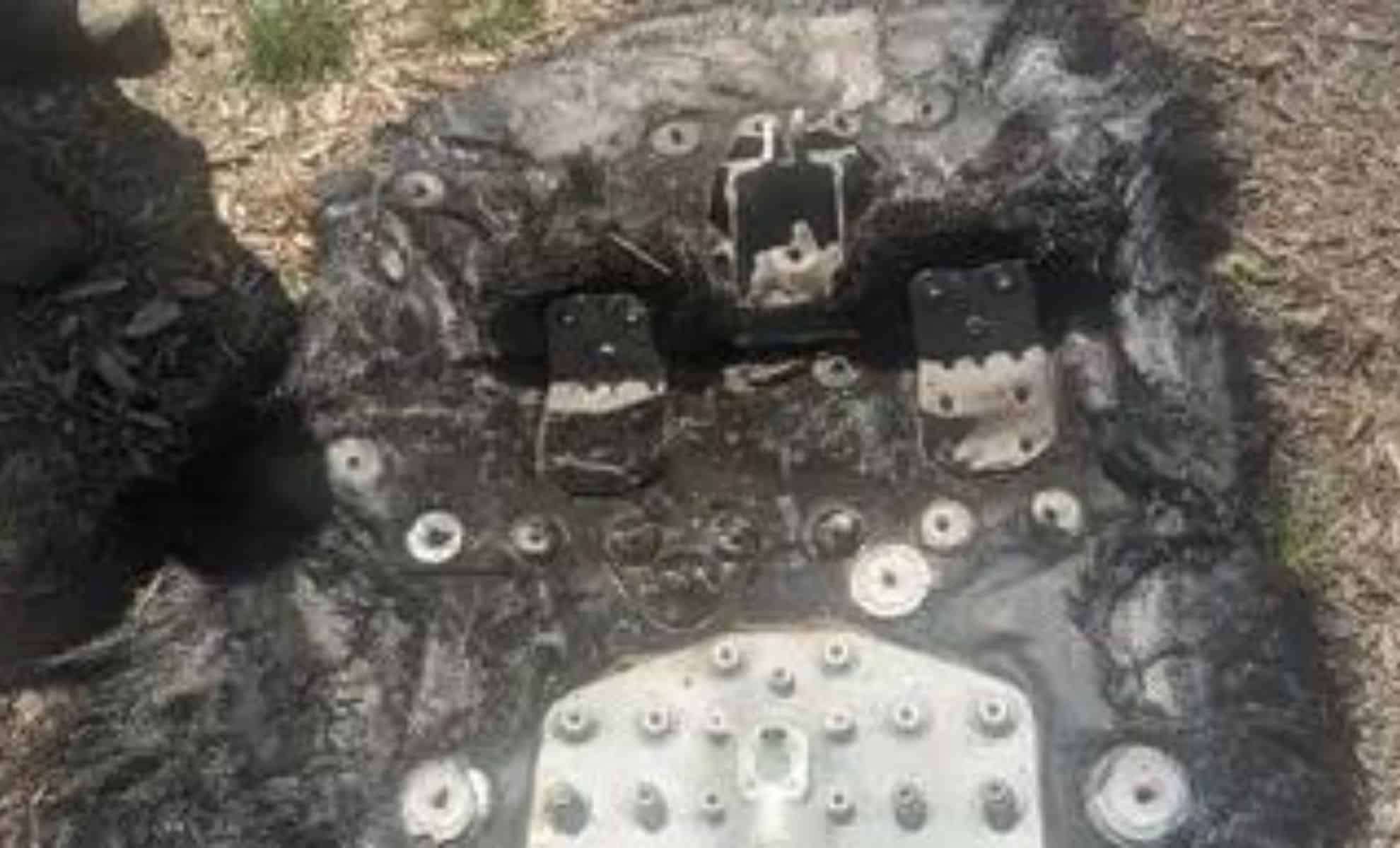
Recently, fragments believed to be from a SpaceX mission have been identified in a remote part of North Carolina.
This event sheds light on the unpredictable nature of space missions and the ongoing challenges in managing debris during spacecraft reentry.
The debris was discovered by a staff member of The Glamping Collective, operating cabins atop a private mountaintop near Asheville, North Carolina. This finding contributes to the increasing number of space debris cases and emphasizes the importance of robust tracking and mitigation efforts.

Details of the Find
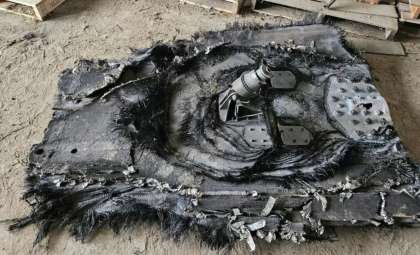
The fragment, measuring over three feet and bearing clear scorch marks, is thought to be a section of the Dragon spacecraft’s trunk. Although designed to disintegrate upon reentry, parts of the trunk can occasionally endure the descent back to Earth.

SpaceX’s Dragon vehicle, tasked with ferrying supplies and astronauts to the International Space Station, consists of two primary components: the capsule, which safely returns astronauts, and the trunk, which supports the craft during launch and carries external cargo. Equipped with solar panels to power the mission, the trunk typically burns up during reentry, but occasional remnants can survive and reach the ground.
This event in North Carolina highlights the uncertain nature of debris reentry, where larger fragments occasionally withstand the atmospheric descent. Being located in a sparsely populated area minimized risk, but the incident stresses the importance of continuous vigilance in debris hazard management.
Expert Insights on the Debris
Astronomer Jonathan McDowell from the Harvard–Smithsonian Center for Astrophysics, who specializes in monitoring orbital debris, confirmed that the recovered piece matches the expected trajectory of the Dragon trunk from SpaceX’s Crew-7 mission.
McDowell had previously identified zones stretching from Tennessee through Virginia and West Virginia as prime fallout regions, making the North Carolina discovery consistent with his forecasts. His observations provide crucial understanding of debris reentry probabilities and risks.
His expertise enhances our knowledge of how to track and predict debris paths, aiding efforts to reduce hazards. Such data are vital for refining models that ensure safer space operations and Earth protection.
Safety Concerns and Historical Context
The occurrence serves as a reminder of potential dangers from falling space debris. While no injuries resulted from this find, past incidents have caused property damage, such as when ISS-related components struck a home in Florida earlier this year.
These events underline the necessity for strict safety regulations and ongoing improvements in debris tracking and management. NASA and other space agencies actively pursue strategies for risk reduction by enhancing prediction systems and responsible disposal practices.
Previous significant events, including Skylab’s 1979 reentry and China’s Tiangong-1 deorbit, have driven policy changes to mitigate falling debris risks. These cases emphasize the vital role of continued global collaboration and technological advancements in debris control.
Implications for Future Space Missions
The North Carolina incident brings attention to the persistent challenges of space mission safety and debris management. As humanity’s presence in space grows, it highlights the urgent need for better monitoring and mitigation practices to protect life on Earth.
The scientific and private sectors, including SpaceX, must keep fostering innovation alongside international partnerships to tackle space debris. Enhanced techniques such as improved radar detection, predictive AI models, and binding global agreements will play key roles in managing this evolving concern effectively.









0 comments
Sign in to Comment