
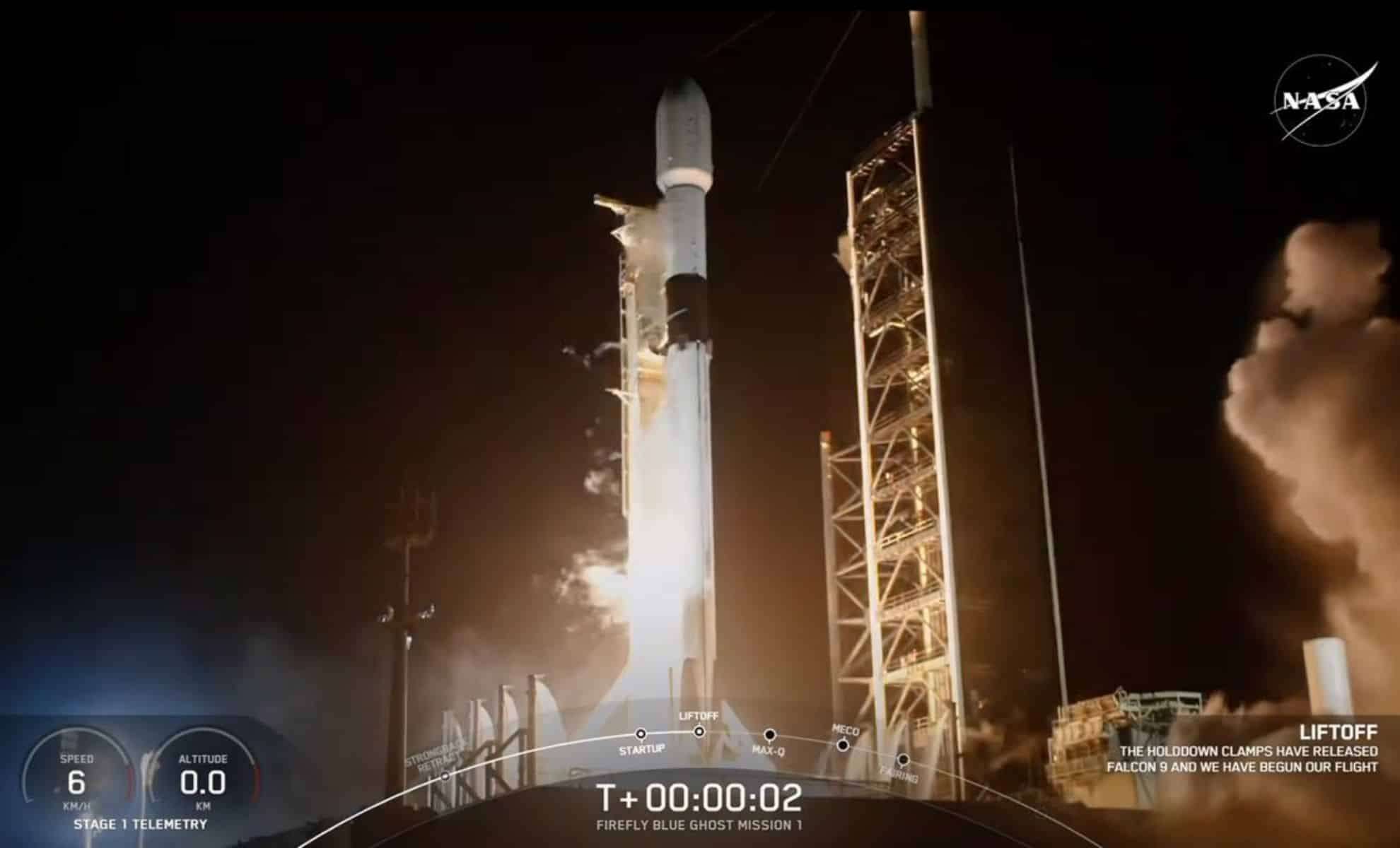
Marking a major advancement in commercial Moon ventures, SpaceX launched two innovative lunar landers—Blue Ghost and Resilience—aboard a Falcon 9 rocket on January 15, 2025. Designed by Texas-based Firefly Aerospace and Tokyo-based ispace, these cutting-edge vehicles represent a landmark in private sector contributions to lunar exploration. These missions aim to propel lunar science and tech development forward, building on the momentum of recent private space achievements.
Although both landers share a goal of enriching lunar knowledge, their mission plans diverge considerably, reflecting the broad spectrum of creativity and ambition within the commercial space industry today. Featuring distinct instruments and strategies, these spacecraft are not only charting new courses to the Moon but also redefining how private companies contribute to humanity’s space endeavors. This launch marks a transition toward intensified public-private collaboration in expanding human exploration beyond Earth.
Blue Ghost’s Mission to Mare Crisium
The Blue Ghost lander, Firefly Aerospace’s first lunar spacecraft, embarks on a mission illustrating the powerful partnership between government and private space projects. Equipped with 10 scientific and tech instruments from NASA’s Commercial Lunar Payload Services (CLPS) initiative, Blue Ghost will orbit Earth for 25 days, performing system diagnostics and gathering vital data.

After ensuring operational stability, it will ignite its engine and embark on a four-day transit to the Moon. Upon reaching lunar orbit, the craft will spend 16 days preparing for a historic descent into Mare Crisium—a prominent basin on the Moon’s near side celebrated for its geological importance and resource potential.
Throughout the mission, Blue Ghost will investigate how lunar soil responds to sunlight and other environmental conditions. Firefly representatives noted, “Following payload activities, Blue Ghost will capture images of the lunar sunset and deliver key data on how the regolith reacts to solar influences at dusk.” Even as darkness falls, the solar-powered lander will continue collecting data for several hours during the frigid lunar night before power loss.
This venture, named Ghost Riders in the Sky, is expected to last roughly 60 days from launch to the anticipated shutdown at lunar sunset. It aims to deepen understanding of lunar soil behavior and the operational challenges faced during extreme lunar conditions.
Resilience’s Strategic Trip to Mare Frigoris
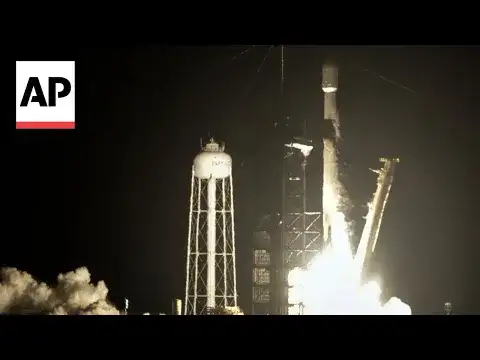
Unlike Blue Ghost’s direct path, the Resilience lander crafted by ispace employs a fuel-saving, longer route, taking nearly four months to reach lunar orbit. About one month post-launch, it will perform a lunar flyby, a critical maneuver before settling into orbit.
After orbit insertion, Resilience will undergo two weeks of final preparations before descending onto Mare Frigoris, or “Sea of Cold,” located in the Moon’s northern region. Differing from Firefly’s government-backed mission, Resilience carries commercial and academic payloads, including a microrover named Tenacious from ispace’s Luxembourg branch. This small rover will explore and sample lunar regolith under a NASA contract.
Also aboard is Moonhouse, a miniature red and white sculpture created by Swedish artist Mikael Genberg that symbolizes humanity’s cultural footprint in space. This mission is especially critical for ispace, as it represents their second lunar landing attempt after a 2023 crash landing, increasing the stakes for success.
Private Industry’s Expanding Role in Lunar Exploration
The deployment of Blue Ghost and Resilience highlights the growing contribution of private firms in space. NASA’s CLPS program embodies a new model emphasizing public-private partnerships, enabling commercial teams to deliver scientific payloads and execute lunar missions cost-effectively. This approach drives rapid technology development essential for sustained Moon presence.
Recent milestones like Intuitive Machines’ Odysseus lunar landing in 2024 demonstrate the growing feasibility of commercial space ventures. Companies such as Firefly Aerospace and ispace are rising to the challenge with bold goals and advanced technologies, positioning themselves at the forefront of humanity’s renewed lunar exploration efforts.
Overcoming Challenges and Looking Ahead
Both landers confront formidable hurdles. Navigating intricate orbital paths and landing precisely on rugged, cratered terrain tests engineering capabilities and innovation. The Moon’s extreme temperatures and limited solar power complicate mission operations further.
Despite these obstacles, the missions are expected to produce invaluable findings. Blue Ghost’s studies during the transition from lunar day to night will deepen knowledge of surface dynamics, while Resilience’s deployment of Tenacious and other instruments will assist in identifying resources and testing techs vital for future crewed expeditions.
Heralding a New Era of Lunar Exploration
The simultaneous journeys of Blue Ghost and Resilience signify a pivotal shift where private companies lead alongside government agencies in lunar endeavors. The Moon is transforming into a testing ground for new technologies and a potential reservoir of resources for space missions beyond Earth. These initiatives reflect humanity’s expanding aspirations for a lasting lunar presence and a springboard toward deeper space.
With distinct missions and pioneering strategies, these landers extend our knowledge of the Moon and redefine the involvement of commercial enterprises in space exploration. By driving research and validating the viability of private lunar missions, Blue Ghost and Resilience pave the way for future projects involving lunar bases and resource utilization, emphasizing collaborative efforts that will propel humanity on its next cosmic journey.
- Categories:
- News










0 comments
Sign in to Comment