
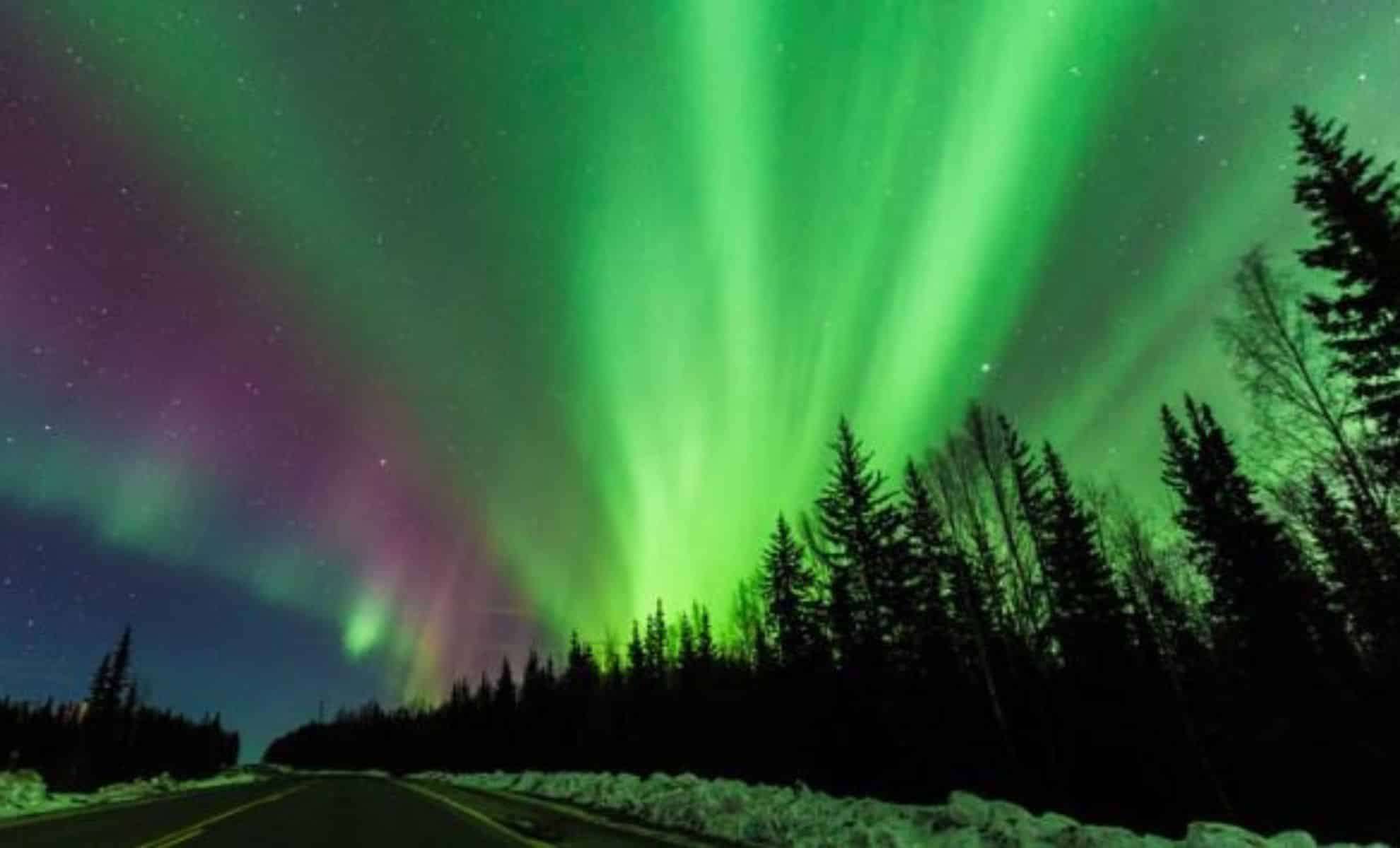
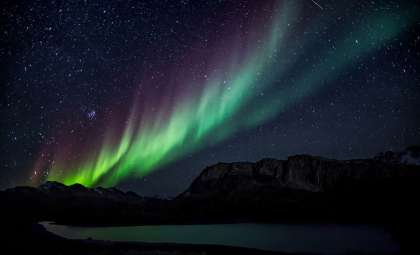
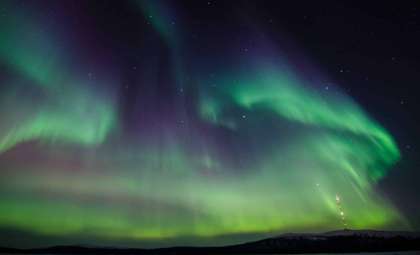
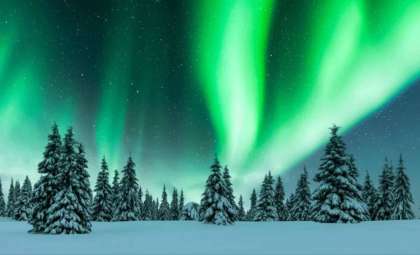
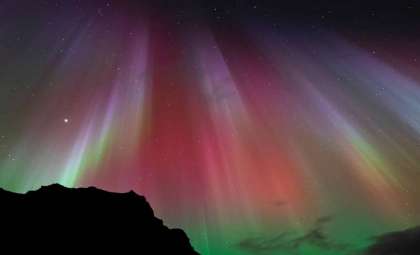
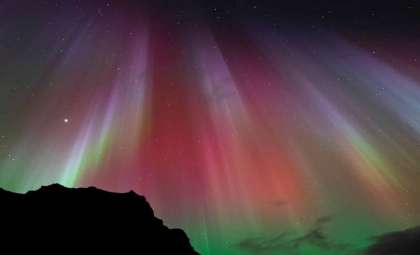
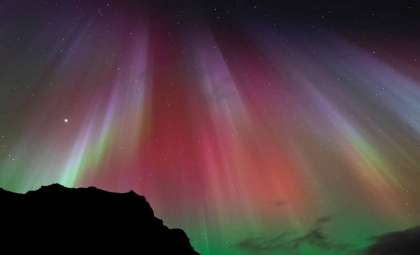
Residents in nine northern U.S. states have an exciting opportunity this Friday, May 23, 2025, to observe a spectacular aurora borealis display. The latest predictions from the National Oceanic and Atmospheric Administration (NOAA) and its Space Weather Prediction Center (SWPC) indicate that a coronal mass ejection (CME) combined with a persistent coronal hole might cause an impressive geomagnetic event, illuminating the night sky with vibrant auroral colors.
What Makes This Aurora Display Special?
According to NOAA's SWPC update, an active geomagnetic phase is expected due to a cloud of energized particles ejected from the Sun on May 17, 2025. This CME, often a consequence of intense solar flares, is propelling a turbulent solar wind that could interact with Earth's magnetosphere, producing vivid light shows in shades of green and red.
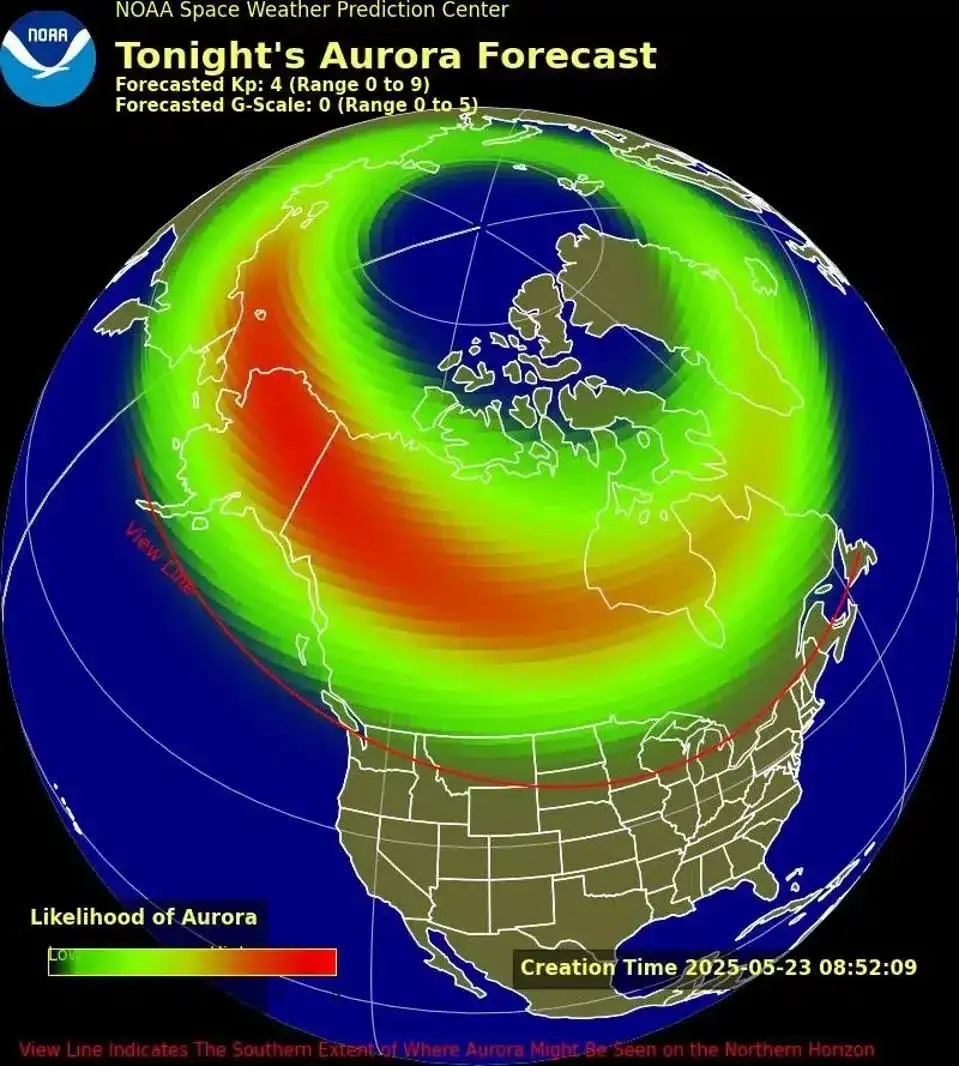
Though space weather analysts at Spaceweather.com caution that the CME might only graze Earth’s magnetic environment, NOAA forecasts a potential G1 (minor) geomagnetic storm. Such activity would push the auroral boundary farther south, granting northern U.S. states a chance to enjoy a rare glimpse of northern lights beyond typical polar confines.

Where To Watch This Light Phenomenon?
The aurora may be visible across nine northern states close to the Canadian border: Washington, northern Idaho, Montana, North Dakota, South Dakota, Minnesota, Wisconsin, Michigan, and Maine. For optimal viewing, enthusiasts should seek out locations with minimal light pollution and clear skies.
NOAA’s estimation of a Kp index of 4 suggests moderately active aurora conditions, promising brighter and more dynamic displays than is usually seen at these latitudes. This could provide many people with a rare chance to witness the Northern Lights dancing over familiar terrains typically too far south for such displays.
How the Sun’s Activity Fuels the Aurora
A major factor behind this event is a large coronal hole that has been Earth-facing throughout the week. Coronal holes are cooler, less dense areas in the Sun’s corona that allow solar wind to escape more easily, intensifying the impact on Earth's space environment. This contributes to a heightened and more turbulent solar wind, strengthening geomagnetic storms’ intensity and duration.
These space weather occurrences are more prevalent near the solar maximum, the peak of the Sun’s roughly 11-year activity cycle. NASA and NOAA reported the latest solar maximum was reached in October 2023, a period marked by increased magnetic activity. The extreme G5 geomagnetic storm that took place in May 2024 was the strongest in decades, highlighting the Sun's continued influence on Earth's space weather.
- Categories:
- News




0 comments
Sign in to Comment