
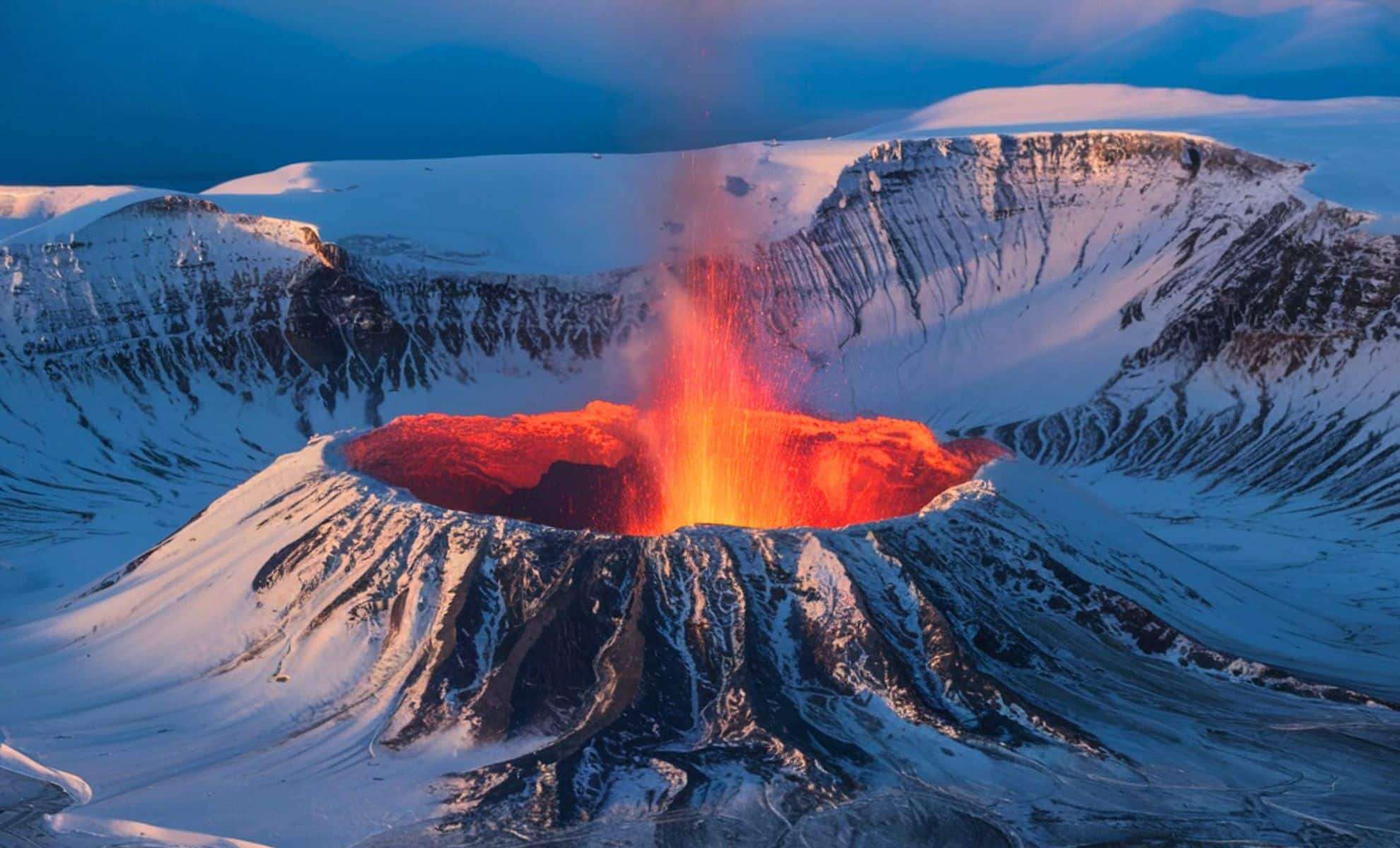
Far beneath the vast ice sheets of Antarctica lies a concealed and volatile volcanic system. These active volcanoes, locked under immense ice pressure, could erupt as warming temperatures weaken the ice cover, potentially triggering a dramatic transformation of the continent and hastening global climate shifts.
A Hidden Volcanic Landscape Under Antarctic Ice
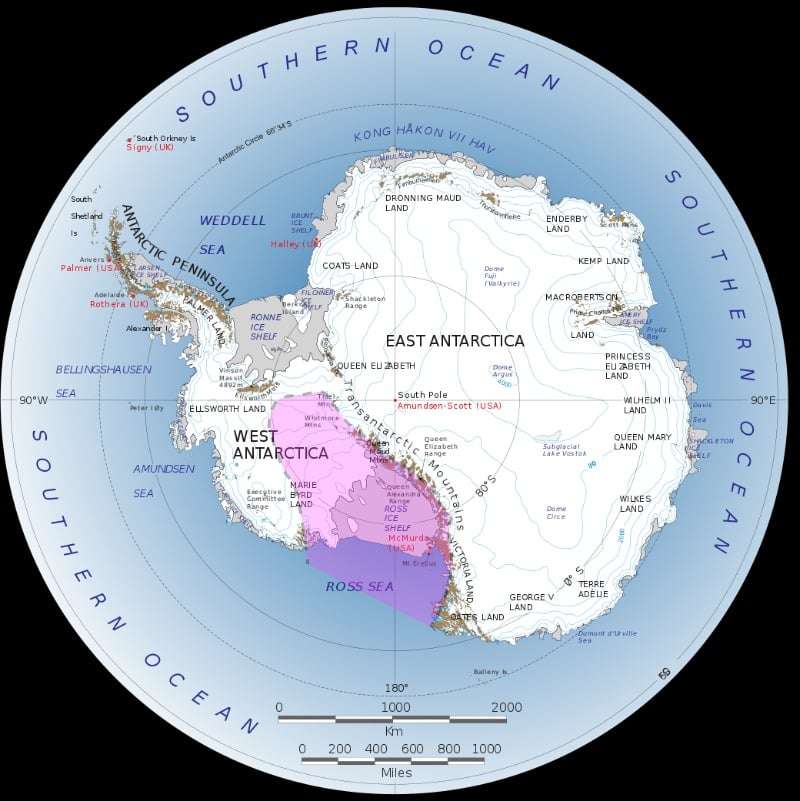
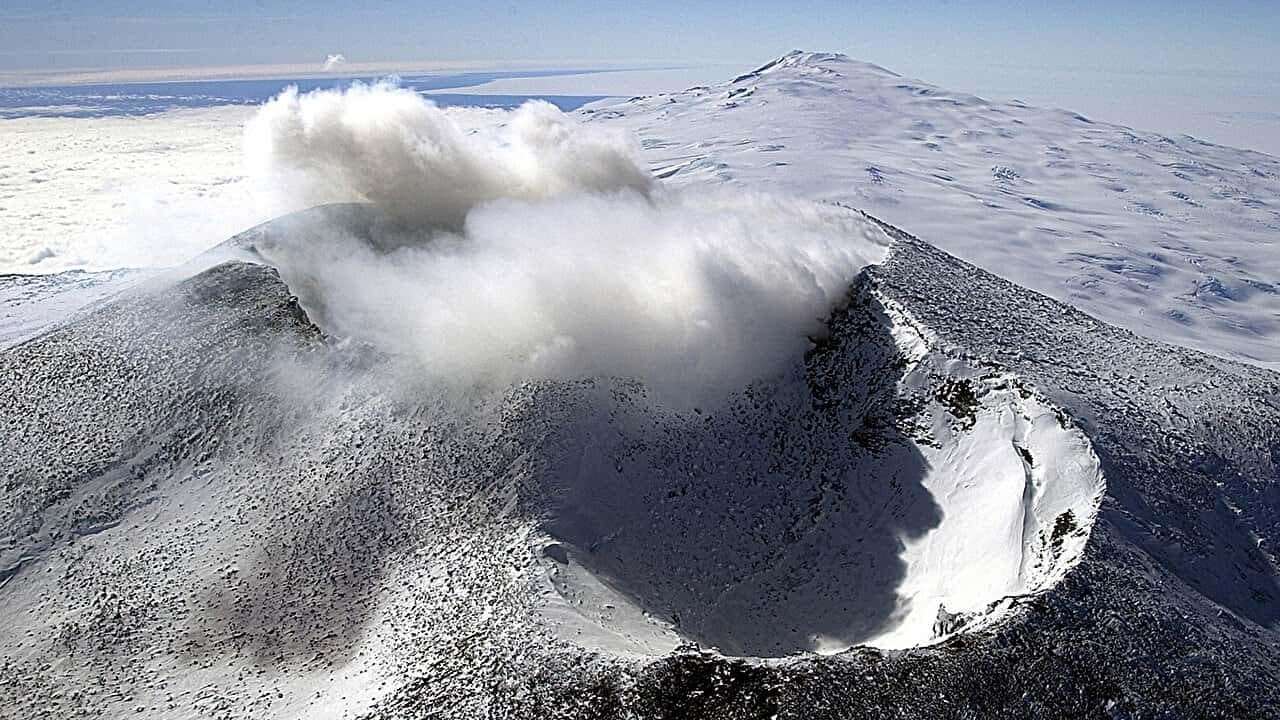
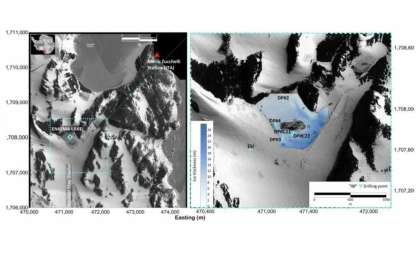
Contrary to its perception as a frozen desert, Antarctica hosts dynamic volcanic activity. The West Antarctic Rift System conceals more than 100 active volcanos beneath its icy layers. While Mount Erebus stands as a visible example, most volcanoes remain buried under kilometers of ice, complicating efforts to closely monitor or forecast their behavior.
These volcanic systems are far from inactive; the heavy ice overhead suppresses magma movement and volcanic eruptions, maintaining a fragile balance between geological forces and glaciation.

How Climate Warming Influences Volcanic Activity
Recent research published in Geochemistry, Geophysics, Geosystems highlights how melting glaciers in Antarctica, driven by global warming, disrupt this delicate support system. The process follows several steps:
- Ice thinning diminishes pressure: Melting reduces the ice mass compressing the crust, especially above volcanic zones.
- Decompression triggers magma changes: Lower pressure allows gases in magma chambers to expand, escalating internal stresses.
- Heightened pressures prompt eruptions: This buildup forces magma to ascend, causing volcanic activity beneath the retreating ice.
These eruptions produce substantial heat, accelerating nearby ice melt. Model simulations show this cycle may perpetuate itself for centuries, amplifying both volcanic activity and ice loss.
A Vicious Cycle of Melting and Volcanism
What's particularly concerning is the feedback loop formed by volcanic heat and melting ice:
- Volcanic thermal energy intensifies ice melt, revealing underlying bedrock.
- This exposes volcanic areas to less insulation, facilitating magma rise.
- Eruptions emit greenhouse gases like carbon dioxide (CO2), further boosting atmospheric warming.
This self-reinforcing process threatens to destabilize Antarctica's ice sheet, with implications beyond the continent.
Implications for Sea Levels and Global Climate Systems
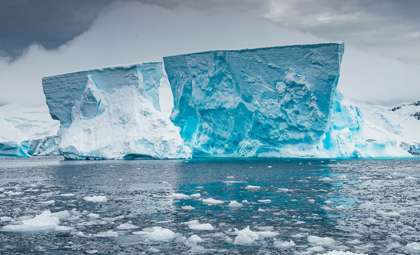
Antarctic ice melt already represents a major threat to rising sea levels worldwide. The additional volcanic activity escalates ice degradation, particularly in West Antarctica, increasing the potential for rapid ice sheet collapse. Key concerns include:
- Accelerated vulnerability of the West Antarctic Ice Sheet to structural failure.
- Volcanic emissions injecting ash and atmospheric particles, potentially disturbing weather patterns and warming the surrounding Southern Ocean.
Such changes could severely impact coastal urban areas, marine ecosystems, and global climatic systems.
The Urgency for Global Awareness
Perhaps the most unsettling conclusion is that this volcanic and glacial interaction may persist independently of human greenhouse gas emissions. The ongoing feedback between ice loss and volcanic forces represents a self-sustaining threat.
Though unfolding over centuries, this chain of events is unlikely to be halted without swift intervention, emphasizing Earth's fragile interconnected systems where changes in one region trigger far-reaching impacts.
Preparing for an Uncertain Future
While stopping this volcanic escalation might be beyond reach, enhanced monitoring offers hope for mitigation. Using remote sensing, satellite technology, and sophisticated modeling can improve eruption forecasts and inform response strategies.
This emerging discovery highlights a sobering reality: Antarctica acts not just as a passive victim but as a powerful intensifier of climate change consequences.
- Categories:
- News








0 comments
Sign in to Comment