

Have you ever come across a puzzle that initially seems uncomplicated but turns into a genuine brain teaser? This is exactly what a couple experienced when they encountered a visual IQ challenge designed for a quick mental breather, yet it held their attention far longer than expected. Let’s explore this captivating exercise in observation.
Decoding the hidden intricacies of a visual riddle
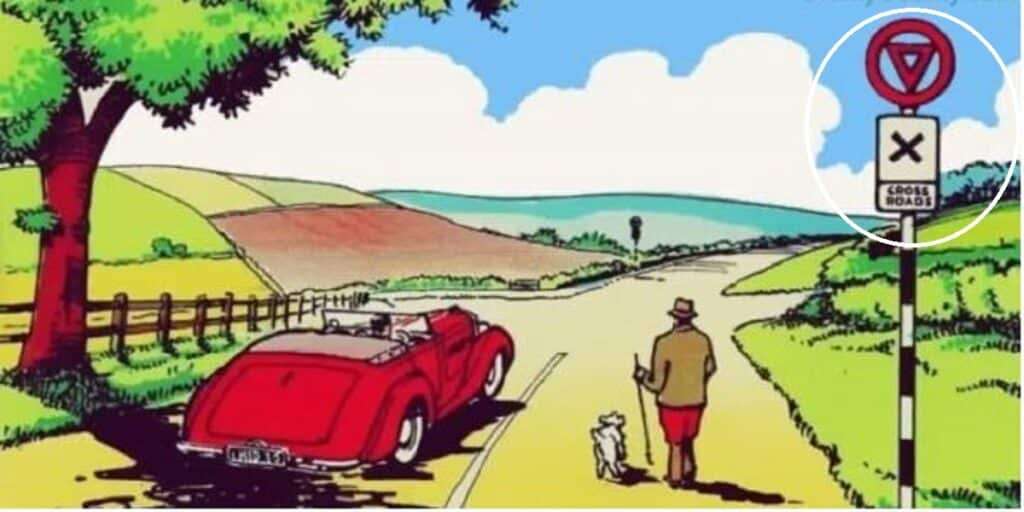
This test showcased a tranquil rural scene featuring a car, a man walking his dog, and a charming landscape. At first glance, it seemed simple; however, the task was to identify a subtle mistake embedded within the image. What looked like an easy find quickly evolved into a ten-minute dilemma for the couple, illustrating the puzzle’s deceptive complexity.
The challenge’s difficulty stems from its apparent straightforwardness. Our brains often overlook details that contradict prior expectations — a mental blind spot known as inattentional blindness. This effect causes us to miss clearly visible yet unexpected elements.

Here’s why this kind of visual IQ test can be tricky:
- Recognition of familiar settings may lead to automatic assumptions
- The error can be very subtle and hard to detect at first
- Pressure to solve quickly can impair focus and observation
- The brain often fills in missing details based on experience
The discovery: Sharp observation triumphs
For those interested in the solution, the crucial detail is the road sign’s location. In this image, the sign sits on the right side of the road, though logically, it belongs on the left. This understated discrepancy challenged many viewers, including our determined pair.
Spotting this anomaly quickly is a testament to superior focus and observational skills. If you missed it, don’t be discouraged — such puzzles are excellent for sharpening attention to detail.
Below is a chart outlining various observation skill levels and their typical solving times:
Observation LevelKey FeaturesAverage Time to CompleteBeginnerNotices clear, obvious elementsMore than 10 minutesIntermediateDetects some hidden details5 to 10 minutesAdvancedQuickly spots contradictions1 to 5 minutesExpertImmediately identifies the errorUnder 1 minute
Boosting your observational prowess with visual puzzles
Engaging in visual challenges like this offers beyond mere amusement. It’s a valuable method to enhance perceptual acumen. Strong observation benefits not only IQ test performance but everyday life, from interpreting social cues to appreciating artistic and natural details.
Try these tips to sharpen your observation:
- Practice mindfulness to remain fully present
- Play attention-demanding games like jigsaw puzzles or spot-the-difference
- Adopt hobbies such as photography or birdwatching that encourage detail awareness
- Frequently challenge yourself with brain teasers and IQ tests
Remember, the objective isn’t just rapid puzzle-solving but cultivating an observant mindset that enriches various life areas. Whether analyzing art, dissecting work problems, or immersing yourself in your surroundings, refined observation enhances understanding and enjoyment.
The beauty of solving mental puzzles together
One of the most rewarding aspects of this visual IQ test was the couple’s shared experience. Collaborating on puzzles promotes teamwork and communication, offering a refreshing break from daily routines through playful mental exercise.
These joint encounters also reveal the diverse ways people perceive and interpret visual information. What one notices immediately, another might miss, sparking intriguing discussions and deepening perspectives.
In summary, whether you uncovered the puzzle’s secret in seconds or spent several minutes like this couple, the real reward lies in the process of careful observation and discovery. Next time you face a visual IQ challenge, embrace it—you might be surprised by what you learn about your own powers of perception.
- Categories:
- Trends















0 comments
Sign in to Comment