
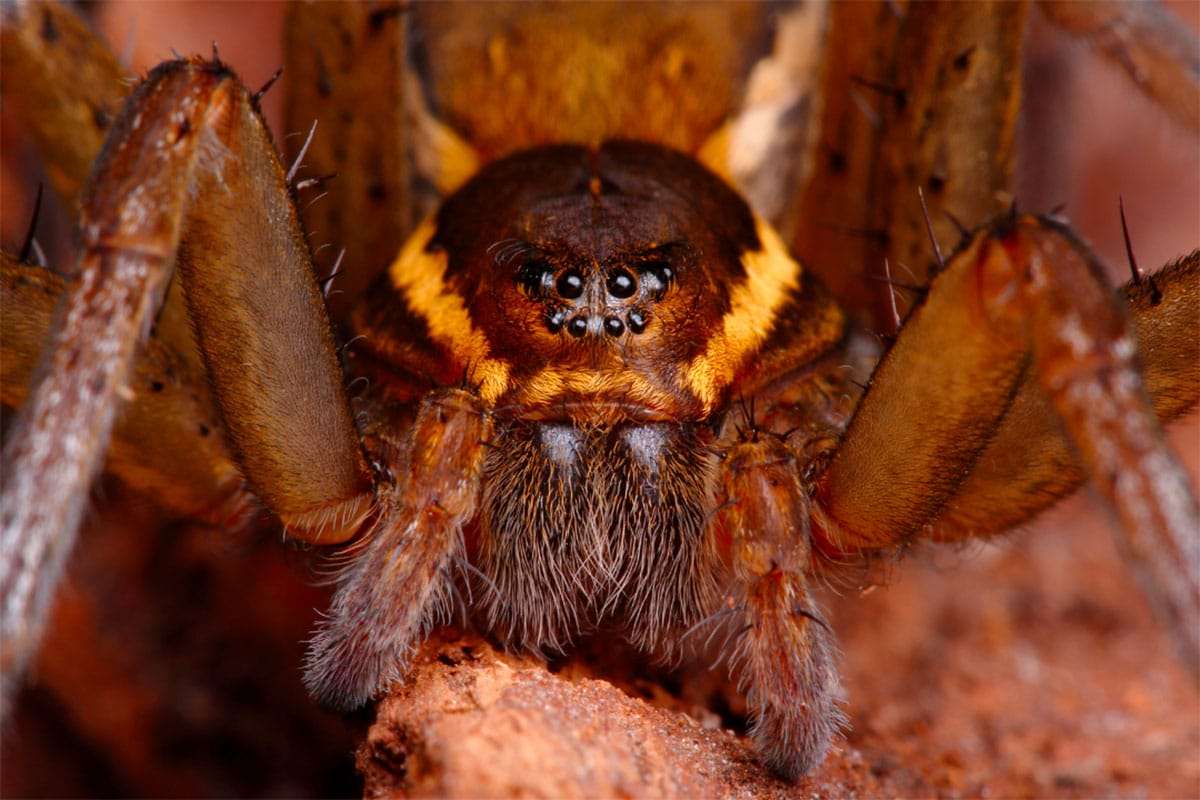
A remarkable wildlife restoration effort is unfolding in the United Kingdom, where tens of thousands of massive spiders now roam freely. This major breakthrough, initiated by Chester Zoo ten years ago, marks a crucial victory in species protection and ecosystem rehabilitation. The reintroduction of the raft spider (Dolomedes plantarius) has not only helped save this species from extinction but also revived essential wetlands and their biodiversity.
Ten years ago we helped release THOUSANDS of GIANT spiders back into the UK! 🕷️🇬🇧
The fen raft spiders were bred right here at the zoo, and we're super happy to report there's now more than 10,000 breeding females… and they've just had the biggest mating season on record! 👀… pic.twitter.com/xXvpRe24iU— Chester Zoo (@chesterzoo) October 30, 2024
The Comeback of the Raft Spider
A decade following their release, raft spiders have made a remarkable recovery. While these large arachnids can span the size of a human palm, they pose no threat to people. Their rebound highlights the effectiveness of captive breeding programs and the robust recovery potential of wildlife.

Chester Zoo teamed up with the Royal Society for the Protection of Birds (RSPB) to spearhead this initiative. The zoo proudly shared on social media:
- There are now over 10,000 females reproducing in the wild
- The species experienced its most extensive breeding season ever recorded
- The breeding and release program prevented the species’ extinction
The process involved painstaking care, including hand-feeding hundreds of spiderlings tiny insects with tweezers. By raising them in secure facilities, conservationists ensured survival and minimized cannibalism among hatchlings.
Raft Spider’s Role in Wetland Ecosystems
Once widespread across Western Europe, the raft spider holds a vital ecological position in sustaining aquatic biodiversity. Tim Strudwick, site manager at the RSPB Mid Yare Nature Reserve in Norfolk, points out, “These spiders are key to preserving the rich biodiversity in our reserve's grazing ditches.”
As semi-aquatic hunters, raft spiders help regulate populations of:
- Flies
- Tadpoles
- Dragonfly larvae
- Small fish
Unlike many spider species, raft spiders do not spin webs. Instead, they patrol pond surfaces and rely on sensitive leg hairs called trichobothria to sense water vibrations, enabling them to detect and capture prey with remarkable accuracy.
From Endangered to Thriving
Fifteen years ago, the raft spider was almost extinct. It remains the only spider species in Western Europe on the International Union for Conservation of Nature (IUCN) Red List. Factors contributing to their decline include:
This spider evolved during interglacial periods when melting glaciers created expansive wetlands ideal for its survival. However, since the 1960s, these wetlands have drastically shrunk. Because raft spiders rely heavily on aquatic habitats, terrestrial migration is impossible, compounding the challenges to their survival amid environmental shifts.
This inspiring conservation story is reminiscent of remarkable natural discoveries like Earth’s temporary second moon, asteroid 2024 PT5, underscoring the ever-changing and fragile nature of our planet’s ecosystems.
Guiding Future Conservation Efforts
The raft spider's successful revival offers a hopeful model for protecting other endangered species. It illustrates the importance of dedicated breeding and habitat restoration programs. As global climate change alters ecosystems, such focused conservation efforts will be even more critical.
Beyond saving one species, this achievement highlights the interconnected nature of habitats. Protecting the raft spider contributes to sustaining wetland ecosystems, benefiting a wide array of plants and wildlife.
Today, as these large spiders thrive throughout the UK, they stand as a powerful emblem of effective conservation and nature’s resilience. While their presence might unsettle arachnophobia sufferers, it represents a triumph in preserving biodiversity and the richness of life on Earth.
- Categories:
- News












0 comments
Sign in to Comment