
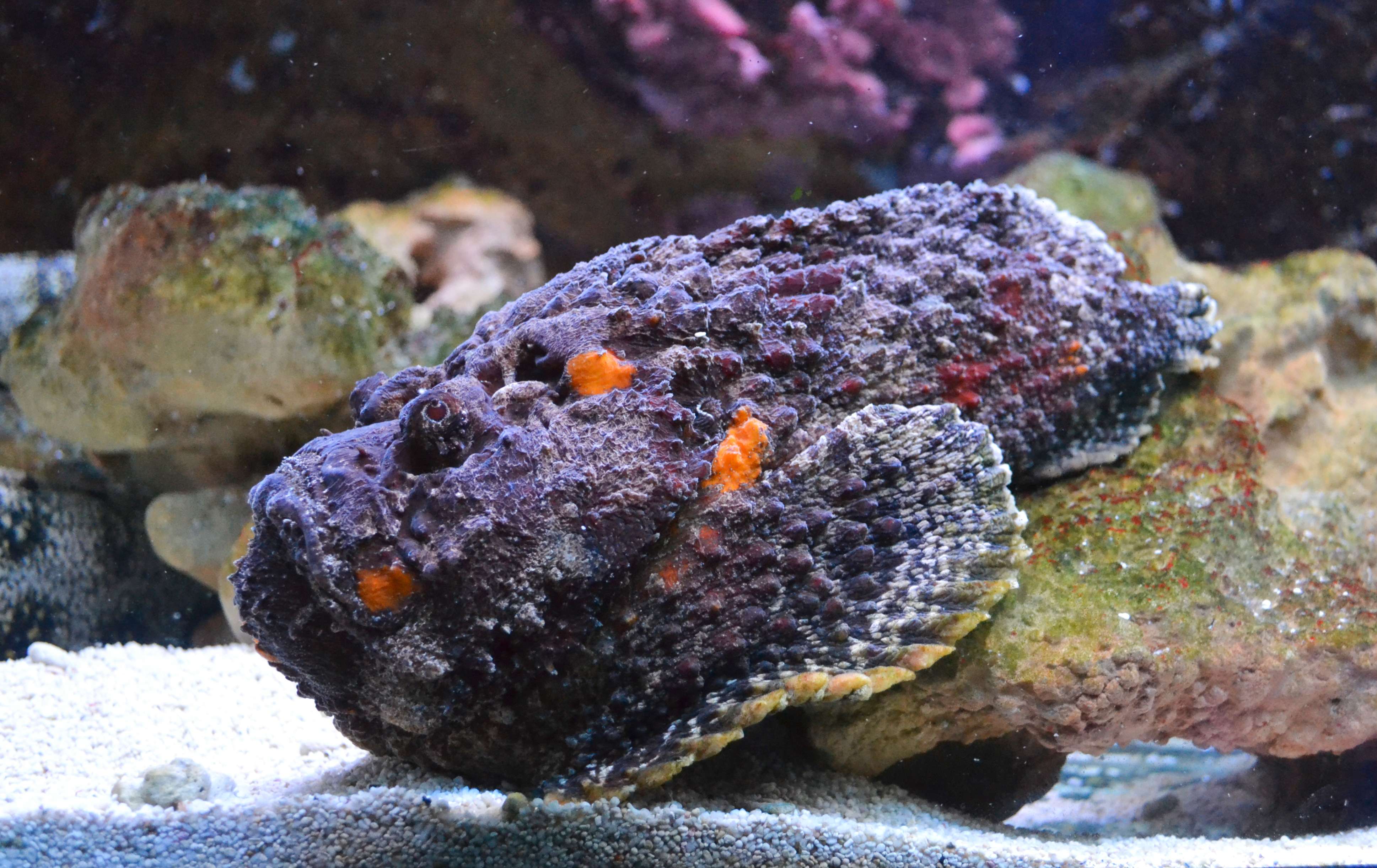
For years, scientific attention has centered on the protein makeup of stonefish venom. However, recent research employing nuclear magnetic resonance (NMR) spectroscopy and liquid chromatography-mass spectrometry (LC-MS) has unveiled previously unidentified molecules within the venom, including novel neurotransmitters.
A particularly startling finding is the detection of gamma-aminobutyric acid (GABA) in the venoms of both Synanceia horrida and Synanceia verrucosa. This marks the inaugural identification of GABA in fish venom, though it has been observed in venoms of other creatures like hornets and spiders. Further analyses revealed choline and O-acetylcholine present specifically in S. horrida venom, while norepinephrine was noted in the venoms of both stonefish species.
These discoveries underscore the intricate chemical composition of stonefish venom and hint at the biochemical interactions responsible for the intense cardiorespiratory and neuromuscular symptoms seen in envenomation cases.

Potential Impact on Medical Science and Therapeutics
The revelation of these unexpected neurotransmitters within stonefish venom opens promising avenues for pharmaceutical innovation. Breakthrough blood tests that detect cancers at early stages exemplify how pioneering research can transform diagnostics, and similarly, venom-derived compounds may inspire new drug developments.
Researchers suggest these small molecules might significantly influence venom potency depending on their concentrations and ability to affect nearby cells. To illustrate:
- Norepinephrine plays a key role in autonomic regulation of the heart and lungs
- GABA, known for its inhibitory effects in the nervous system, may alter cardiovascular responses
- Acetylcholine and GABA interact with specific receptor types in humans
This knowledge lays the groundwork for designing precise interventions to treat stonefish stings and could fuel the creation of novel therapeutics. As venom research progresses, more pharmacologically valuable components are likely to emerge, much like how FDA-approved antidepressants are showing efficacy against aggressive brain cancers.
The Stonefish: Masters of Stealth and Defense
Native to the Indo-Pacific, Persian Gulf, and Red Sea, Synanceia horrida and Synanceia verrucosa are renowned for their impressive camouflage abilities, making them difficult to spot and a hidden risk to swimmers.
Each stonefish's body features 13 rigid dorsal spines linked to venom glands. Upon threat, the fish raises these spines to inject venom into any perceived danger.
The venom’s complex blend of proteins, enzymes, and now identified neurotransmitters contributes to its powerful physiological effects. Gaining a deeper understanding of these interactions is critical for creating effective antivenoms and clinical treatments.
From Venom to Vital Medications
Animal venoms have historically inspired numerous therapeutic agents. Existing medications derived from venom components include:
- Captopril, utilized for managing high blood pressure
- Byetta, prescribed for type 2 diabetes management
- Prialt, a potent pain reliever
The recent neurotransmitter findings in stonefish venom might add new candidates to this list of life-saving drugs. Continued exploration promises to uncover more compounds with medical relevance, similar to how archaeological studies have revealed unknown biological impacts of certain substances.
Moreover, the unique properties of venom-derived chemicals offer opportunities beyond medicine, including targeted drug delivery systems and innovative insecticides. These agents may also provide novel strategies in combating disease vectors and pathogens, broadening their potential impact on public health.
Investigations into venomous species are continuously unveiling unexpected molecules that challenge our understanding of natural biochemistry. The introduction of neurotransmitters into the known spectrum of stonefish venom compounds marks only the beginning. Future research could herald a new generation of venom-based therapies revolutionizing healthcare, akin to breakthroughs seen in hematology through recent discoveries around rare blood groups.
- Categories:
- Health

















0 comments
Sign in to Comment