

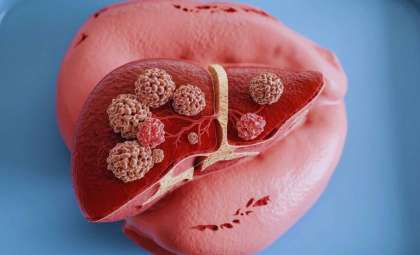
Cheese has often been misunderstood as a food to avoid for health reasons, but recent scientific studies are shifting this viewpoint. Research published in “Nutrition, Metabolism & Cardiovascular Diseases” indicates that incorporating specific types of cheese into your diet can enhance blood lipid profiles and lower triglyceride concentrations. These effects may help prevent fat buildup in the liver, reducing the risk of conditions like non-alcoholic steatohepatitis (NASH).
The protective qualities of cheese and other dairy items stem from their dense nutrient makeup. Cheese provides valuable amounts of:
- Calcium
- Vitamin D
- Essential minerals
- High-quality proteins
These components are critical for maintaining liver function and supporting overall body health. A properly functioning liver also plays a key role in storing vitamins and minerals such as calcium and vitamin D, with deficiencies potentially leading to adverse health outcomes.

Best cheese options to promote liver wellness
Not all cheeses offer the same benefits for liver health. Fresh goat cheese and sheep’s milk cheese are particularly notable for their liver-friendly properties, often boasting lower fat and cholesterol levels than cheeses made from cow’s milk.
Additional liver-supporting cheeses include:
- Ricotta (also known regionally as “brousse” or “brocciu”)
- Cancoillotte
- Cottage cheese
These cheeses typically have reduced cholesterol, making them ideal choices for liver care. Additionally, selecting appropriate foods, including bread and cheese, can make a meaningful difference in your overall health profile.
Incorporating cheese strategically for liver support
While cheese can support liver health, mindful consumption is essential. Experts advise limiting intake to one to two servings of around 30 grams each per day to enjoy benefits without excessive calories or saturated fats.
To enhance cheese's positive impact on the liver, consider these tips:
- Choose lower-fat cheese options
- Combine cheese with fiber-rich foods to improve digestion
- Include cheese as part of well-balanced meals
- Augment your diet with other liver-beneficial foods and drinks, like coffee, which has been associated with improved gut and liver health
A healthy liver depends not only on diet but on consistent exercise and balanced nutrition. By integrating select cheeses with an overall healthy lifestyle, you can better support liver function and general wellness.
Scientific insights into cheese’s effects on liver health
Key research findings reveal the interaction between cheese intake and liver well-being:
These findings suggest cheese can be a valuable part of a liver-supportive diet, though further investigation is necessary to fully comprehend the underlying biological processes. As always, consult healthcare professionals before making major dietary adjustments.
In summary, although cheese has often been labeled a dietary hazard, current studies support the idea that certain varieties can enhance liver health. By choosing the right cheeses and consuming them moderately, you can promote liver function alongside a balanced diet and active lifestyle. For additional health strategies, explore the role of cocoa flavanols in reducing stress and improving diet quality.
- Categories:
- Health











0 comments
Sign in to Comment