
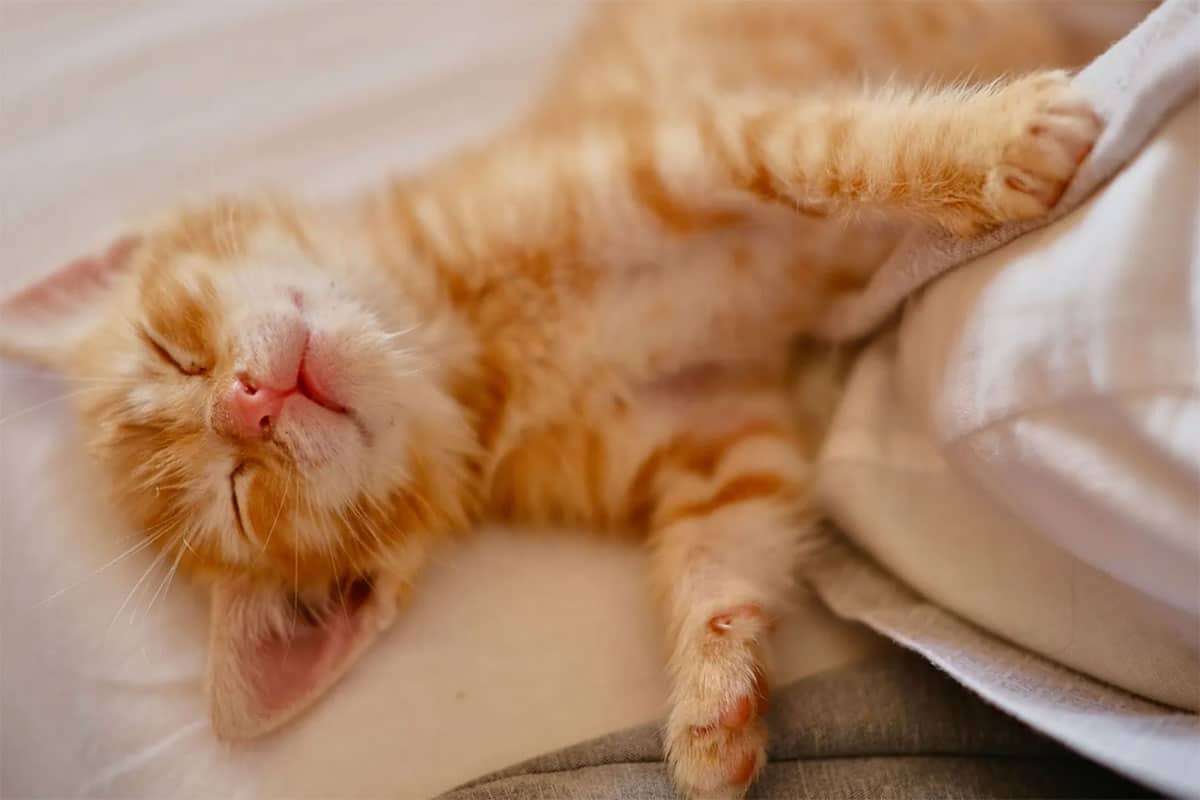
Felines are known for their remarkable ability to snooze for lengthy periods, often clocking in between 12 and 16 hours of sleep daily. This extensive rest cycle is deeply influenced by their predatory ancestry. Unlike humans, cats exhibit a unique pattern of sleep and wakefulness that mirrors their survival instincts.
Typical feline sleep behavior includes:
- Short bursts of vigorous activity
- Extended intervals of rest
- Predominantly light sleep stages
- Occasional deep sleep phases
These habits are closely related to their hunting background. Wild cats use frequent naps to save energy for sudden, intense hunting efforts. Domestic cats maintain this legacy, which is why they often alternate between energetic play and long rest periods.

Sleep habits in cats also shift depending on age and environment. Elderly cats usually spend more time sleeping, whereas outdoor cats might sleep less due to heightened external stimuli. This variability highlights the adaptive nature of feline physiology.
The biology behind feline napping
Sleeping is vital for cats beyond mere rest; it supports critical bodily functions essential for their well-being. During sleep, several important processes take place, including:
- Balancing metabolic activities
- Repairing muscle tissue
- Boosting immune defenses
- Secreting growth hormones, especially in younger cats
A cat’s sleep is split mainly into light and deep phases. Notably, approximately 70% of their sleep occurs during light sleep. This evolutionary trait keeps cats alert to dangers even while resting.
When in deep sleep, cats might twitch or softly purr, signs they could be dreaming. Similar to humans, cats experience REM (Rapid Eye Movement) sleep, a stage associated with increased brain activity and dreaming, suggesting that felines process experiences during their sleep cycles.
Interpreting feline daily rhythms
Decoding a cat's activity pattern provides insight into their behavior. Cats are crepuscular, meaning they are most active at dawn and dusk. This timing aligns with their ancestral hunting routines and the activity of typical prey like birds and rodents.
A typical daily routine for a cat may be summarized as:
This cyclic pattern explains why cats may abruptly become lively at sunrise or sunset. However, individual cats’ habits can differ due to personality and living conditions.
What sleep positions can tell us
The way a cat curls up while sleeping can offer clues about its emotional state and comfort level. Examples include:
- “Loaf” pose (paws tucked beneath) – signals light sleep or readiness to move
- Exposed belly – indicates deep trust and relaxation
- Curled into a ball – often seen when cats want to conserve warmth
These postures reveal both comfort and alertness. A cat sleeping with its belly exposed is in its most vulnerable stance, reflecting confidence in its surroundings and caretaker.
Recognizing these sleep patterns and body languages helps pet owners better understand their feline companions’ feelings and needs. It is remarkable how much insight can be gained by observing simple behaviors.
Cats’ sleeping styles may appear unconventional to humans, yet they are perfectly suited to feline instincts and necessities. By respecting and accommodating their natural rest tendencies, we contribute to their overall happiness and health. Noticeable shifts in sleep behavior could signal health concerns, akin to unusual symptoms in people. If substantial changes occur in your cat’s sleeping or activity patterns, consulting a veterinarian is advisable.
- Categories:
- Health

















0 comments
Sign in to Comment