
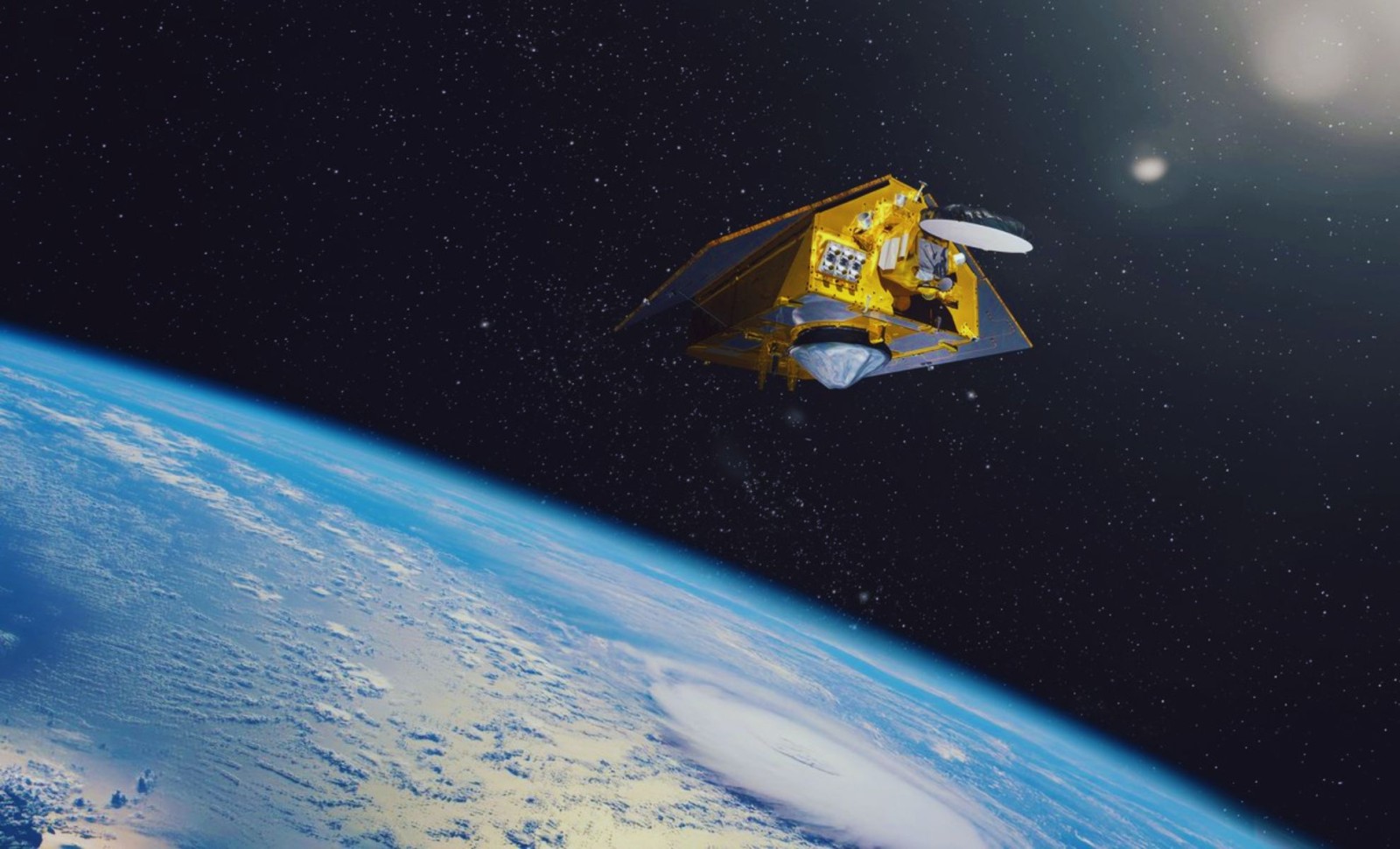
NASA is set to deploy Sentinel-6B, an advanced satellite designed to enhance ocean surveillance in collaboration with SpaceX and global partners. This launch continues a legacy of precise sea level measurement and ocean data collection. A NASA announcement released on November 14 highlights this mission as a vital expansion of the Copernicus Sentinel-6/Jason-CS initiative, promising immediate access to data about Earth's evolving oceans.
Launch Planned for November 17 from California
The Sentinel-6B satellite will launch aboard a SpaceX Falcon 9 rocket from Space Launch Complex 4 East at Vandenberg Space Force Base, California. Lift-off is scheduled for 12:21 a.m. EST on Monday, November 17 (9:21 p.m. PST on Sunday, November 16). Live broadcasts will begin at 11:30 p.m. EST on NASA+, Amazon Prime, and other platforms.
In addition to streaming on multiple sites, NASA will provide live blog updates and countdown details starting no earlier than 11 p.m. EST. Shortly after launch, viewers can access video and photos of the event. For those tuning in by phone, NASA will offer audio-only feeds including real-time mission audio without narration.

Precision Ocean Data Collection with Sentinel-6B
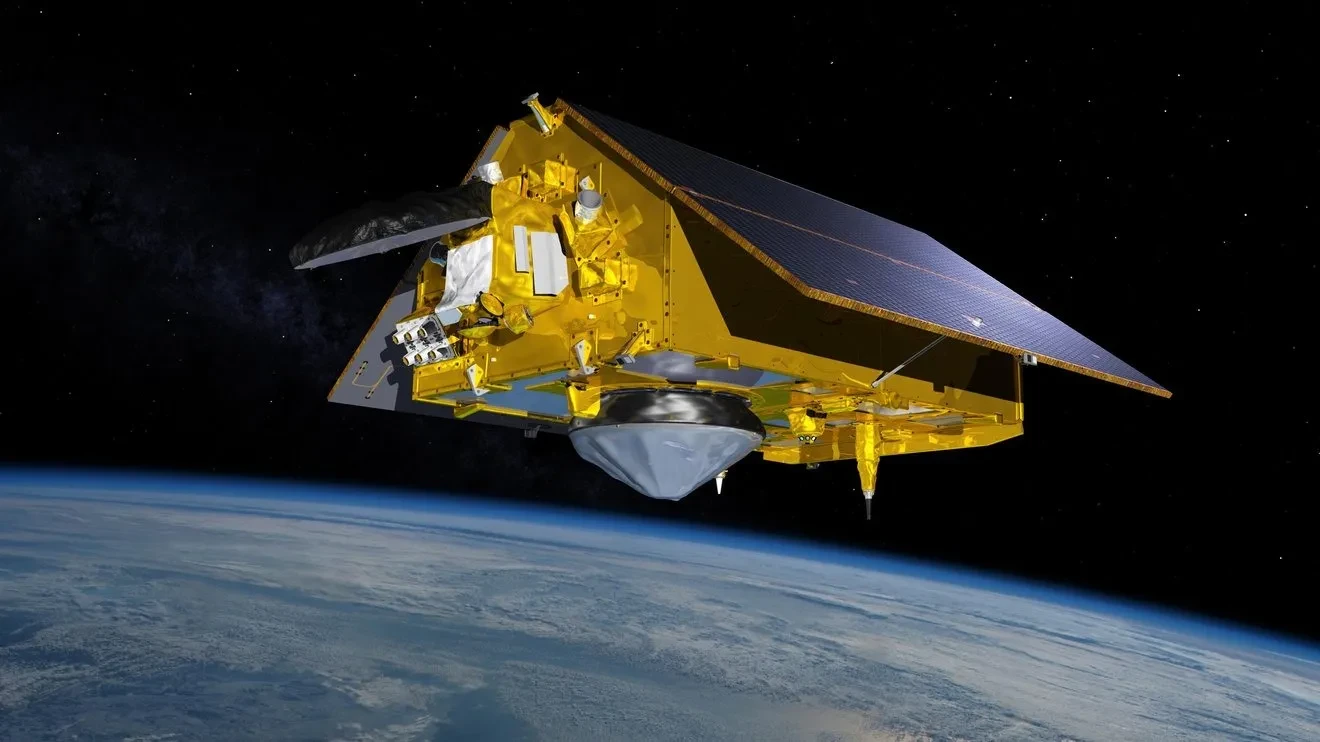
The Sentinel-6B satellite forms a part of the Copernicus Sentinel-6/Jason-CS program, an international effort involving NASA, ESA, EUMETSAT, NOAA, and CNES, supported by the European Commission. It succeeds its counterpart, Sentinel-6 Michael Freilich, which was launched in November 2020.
According to NASA’s report, Sentinel-6B will extend the current global record of sea level measurements to nearly four decades. Its cutting-edge radar will provide detailed readings of ocean surface heights. These data play a crucial role in tracking sea level changes, enhancing weather and storm predictions, and aiding maritime industries. Since the 1990s, NASA and international collaborators have progressively refined these measurements, forming a cornerstone of climate science.
This mission is distinguished by being the first to include global cooperation within the European Union’s primarily Europe-led Copernicus Earth Observation Program.
Prelaunch Briefing to Feature Mission Leaders
A teleconference scheduled for Saturday, November 15 at 4 p.m. EST will include key personnel from the project. Speakers will feature Karen St. Germain, NASA’s Earth Science Division director; Pierrik Veuilleumier, Sentinel-6B project lead at ESA; and Parag Vaze from NASA’s Jet Propulsion Laboratory.
Other participants include Tim Dunn, senior launch director of NASA’s Launch Services Program; Julianna Scheiman, NASA Science Missions director at SpaceX; and 1st Lt. William Harbin, U.S. Air Force launch weather officer. The event’s audio will be streamed live on the NASA Video YouTube channel, with media members required to RSVP.
Virtual Participation Encouraged for Public
NASA invites the public to join the launch remotely. By signing up online, participants can explore tailored materials, get notifications about launch activities, and earn a digital badge for the NASA Virtual Guest Passport. Social media users are encouraged to follow and share their launch experience by tagging NASA on platforms such as X, Facebook, and Instagram.
For inquiries concerning coverage or virtual attendance, NASA provides media contacts at Headquarters, Kennedy Space Center, and Jet Propulsion Laboratory. This mission represents a significant advancement in monitoring Earth’s oceans, providing timely data on one of our planet’s most dynamic environments.










0 comments
Sign in to Comment