
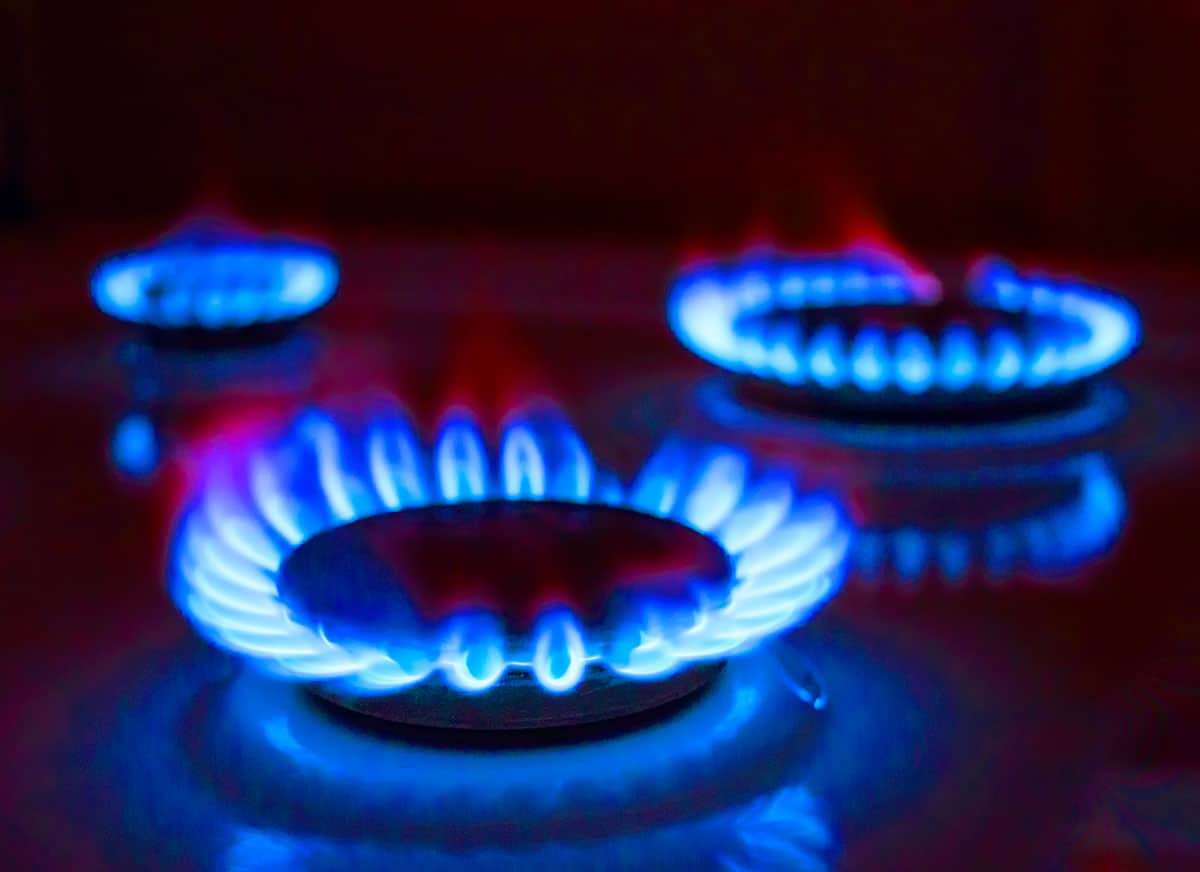
The US Consumer Product Safety Commission (CPSC) is evaluating the possibility of prohibiting gas stoves in response to increasing evidence linking these appliances to health complications. This consideration highlights the agency’s commitment to tackling indoor air quality issues and represents a notable change in regulation concerning household kitchen equipment.
Link Between Gas Stoves and Health Problems
Gas stoves have traditionally been favored in American homes for their precise heat control and quick ignition. Nevertheless, new findings reveal significant health threats connected to their use. Chief among these concerns is the pollution generated indoors by these cooking devices.
Studies identify several hazardous substances emitted by gas stoves including:

- Nitrogen dioxide
- Carbon monoxide
- Formaldehyde
- Fine particulate matter
Exposure to these contaminants can aggravate respiratory conditions, especially among children. Research published in the International Journal of Environmental Research and Public Health estimates that gas stove emissions might contribute to nearly 12.7% of childhood asthma cases in the US. This troubling data has driven calls from health authorities and environmental groups for more stringent controls on gas kitchen appliances.
Beyond breathing issues, lingering exposure to gas stove emissions could have additional, not yet fully discovered, health implications, much like the ongoing concerns around synthetic dyes found in processed snacks.
Steps Proposed by the CPSC
In light of these health concerns, the CPSC is considering multiple strategies to reduce indoor air pollution related to gas stove use. While an outright ban is on the table, it is among several options being reviewed. Possible steps include:
- Enforcing tougher emission regulations on newly manufactured gas stoves
- Mandating improved ventilation for residences using gas appliances
- Requiring clear warning labels to alert consumers about associated risks
- Encouraging the switch to alternative cooking methods like electric or induction technology
This initiative underscores heightened recognition of how everyday appliances impact public health and aligns with similar movements addressing harmful exposures, akin to recent probes into EU-approved banned pesticides detected in imported foods.
Reactions from Industry and Consumers
The prospect of regulating gas stoves has ignited discussions among manufacturers, consumer groups, and policymakers. Supporters argue such measures are crucial to safeguarding health, primarily for children and other at-risk individuals. Opponents raise concerns about economic repercussions for producers and the expense for consumers replacing existing stoves.
Industry representatives have highlighted advancements made to improve appliance safety and performance. Some manufacturers are developing technologies like enhanced filtration and optimized burners to reduce emissions without banning gas stoves outright.
For householders, these potential rules prompt considerations about future cooking options. Although alternatives may entail an upfront investment, they could deliver lasting health improvements and possibly reduced energy expenditure. Below is a comparison of essential characteristics between gas and electric cooking ranges:
As the dialogue continues, consumers are urged to educate themselves about the health effects linked to their kitchen equipment. Growing awareness about risks from certain cooking oils highlights the importance of understanding how stove types affect household health and safety, as mentioned in this article on dangerous cooking oils.
What Lies Ahead for Kitchen Technology
The CPSC’s review of a possible gas stove ban signifies a transformational moment in regulating home appliances. The outcomes could reshape policies on indoor pollution and energy use, potentially spurring innovation toward safer and greener cooking solutions.
Though the final verdict from the CPSC is not yet determined, the ongoing conversation spotlights critical considerations balancing tradition, convenience, and health. As research unfolds, both consumers and regulators will need to carefully evaluate the trade-offs inherent in different cooking methods to promote healthier living environments nationwide.
- Categories:
- Health













0 comments
Sign in to Comment