
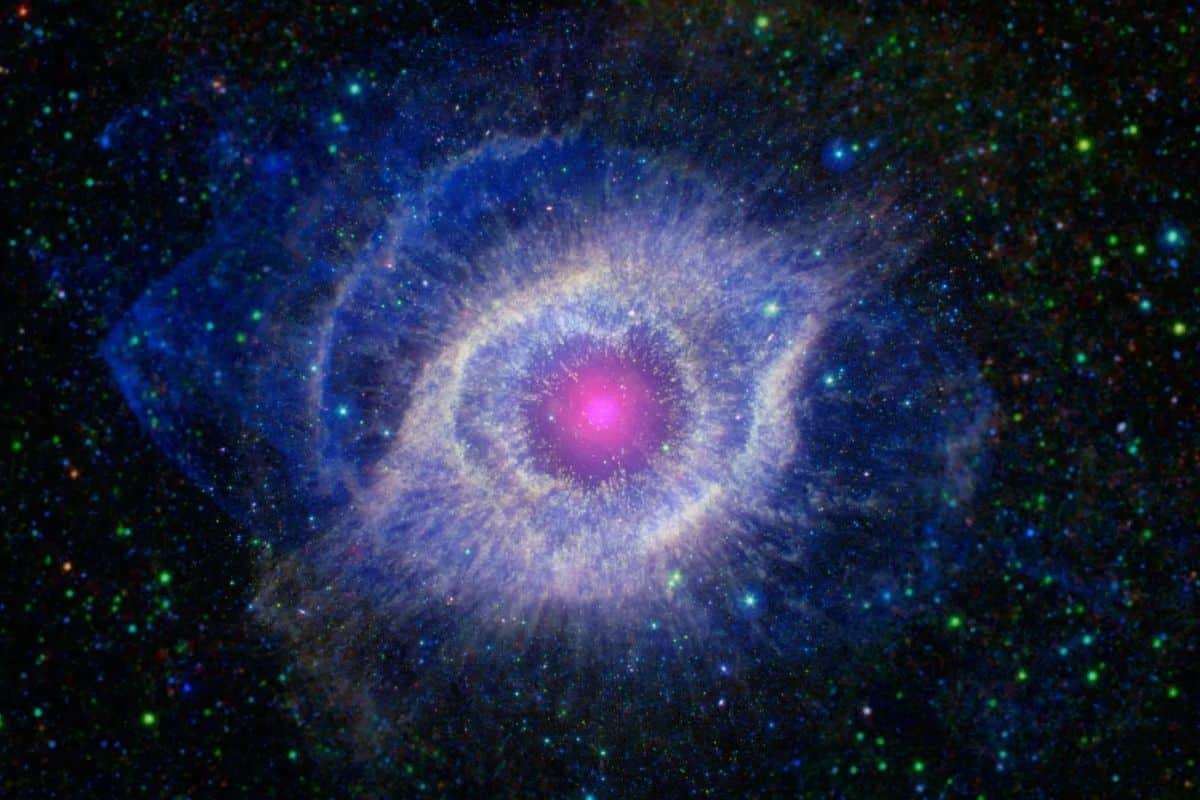
Scientists have unlocked a long-standing cosmic puzzle: a mysterious X-ray signal detected in space is actually the dying gasp of a massive planet being devoured by its fading stellar host.
This breakthrough, focusing on the Helix Nebula, offers a unique window into the catastrophic end that can befall planetary systems and is the first instance of astronomers witnessing a planet consumed by a white dwarf star.
Solving a Four-Decade-Old Enigma
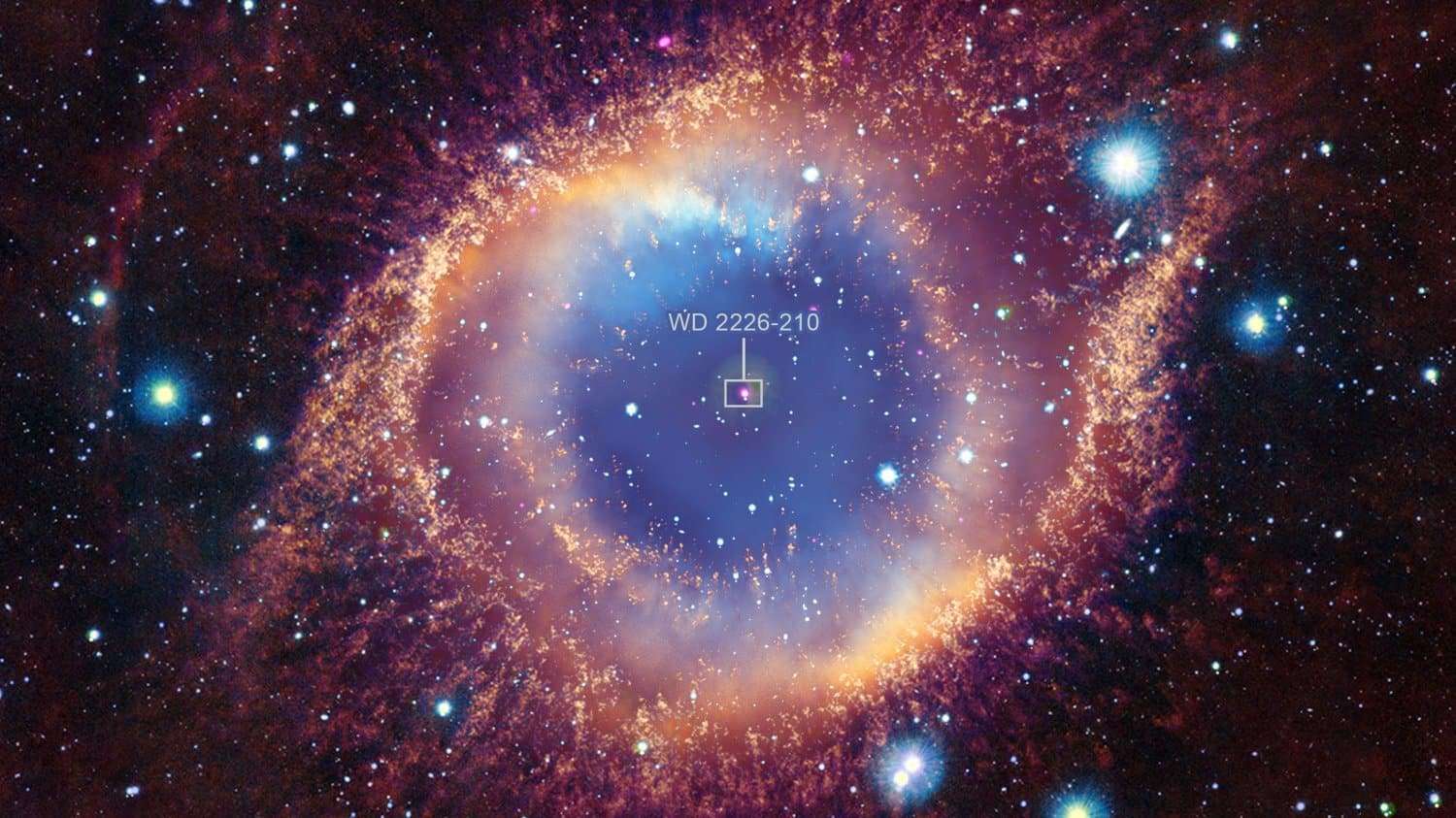
Since the 1980s, an unusual X-ray glow has puzzled astronomers near the Helix Nebula, some 650 light-years away. The source perplexed experts since white dwarfs—what stars like our Sun become—rarely emit such powerful X-ray signals.

Groundbreaking research featured in the Monthly Notices of the Royal Astronomical Society reveals the mystery. Led by Sandino Estrada-Dorado of Mexico’s National Autonomous University, the team examined data from NASA's Chandra X-ray Observatory. They identified the source as debris from a Jupiter-sized planet that ventured too close and was ripped apart by the white dwarf’s gravity.
Gradual Demise of a Giant Planet
Previously, astronomers found a Neptune-sized planet orbiting close to the white dwarf in the Helix Nebula, completing its orbit in just three days. However, the new evidence points to a former, much larger planet—similar in size to Jupiter—that once orbited even nearer.
Over time, the white dwarf’s immense gravitational forces dragged the planet inside the Roche limit, the critical boundary where a planet can no longer stay intact. The tidal forces tore it apart, with planetary material spiraling onto the star’s surface.
Signs of Ongoing Planetary Destruction
The researchers also observed minor fluctuations in the X-ray brightness repeating every 174 minutes, implying that fragments from the shattered planet may still be orbiting the star along a declining path.
Martin Guerrero, a study co-author from the Institute of Astrophysics of Andalusia, suggested that the white dwarf continues to consume these planetary remains.
If verified, this would represent the first direct observation of a planet being swallowed within a planetary nebula’s boundaries.
Insights Into Our Solar System’s Future
This revelation offers crucial insights into the destiny of planetary systems similar to ours. In roughly five billion years, our Sun will burn out, expand into a red giant engulfing inner planets, and eventually leave a white dwarf behind—much like in the Helix Nebula.
While gas giants like Jupiter and Saturn might survive, their moons and closer-in worlds could face destruction akin to what’s occurring in the Helix Nebula.
Exploring Planet-Star Interactions Around White Dwarfs
This extraordinary discovery provides a rare chance to understand how planets behave around white dwarfs and the long-term evolution of planetary systems.
The findings hint that similar X-ray signals from other white dwarfs might also signify planet destruction, offering a new method to detect exoplanets undergoing their final stages.
With cutting-edge X-ray observatories and future missions like NASA’s James Webb Space Telescope, astronomers aim to find more examples of such planet-star interactions, illuminating the violent fates that await many distant worlds.
Often dubbed the “Eye of God” for its stunning appearance, the Helix Nebula now reveals a far more turbulent and destructive nature hidden within its glowing rings.
- Categories:
- Space










0 comments
Sign in to Comment